
Gear article
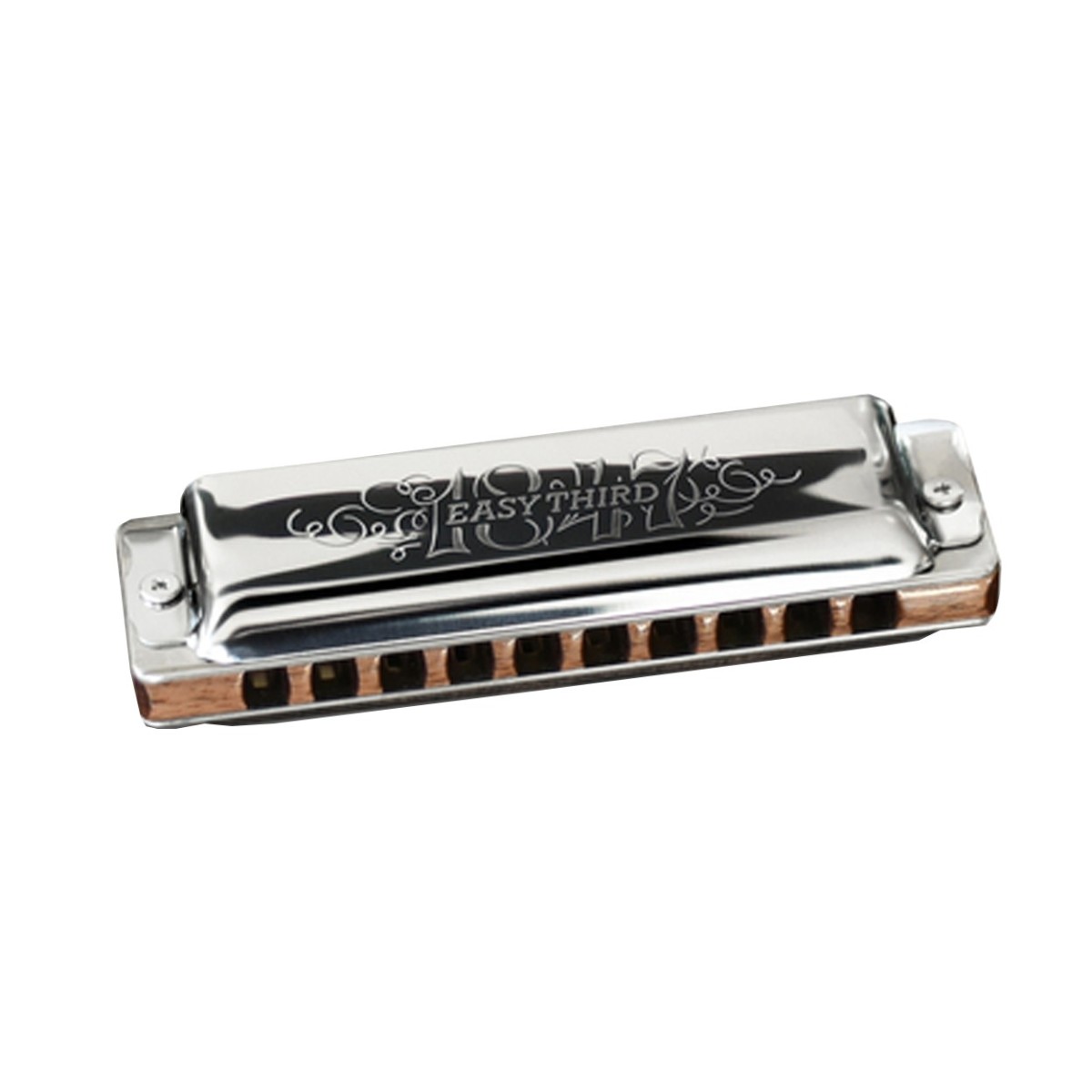
Seydel 1847 Easy Third Harmonica D
The Seydel 1847 Easy Third Harmonica D is a high-end 10-hole diatonic instrument featuring stainless steel reeds and a specialized tuning layout. Designed for versatile access to major and minor scales, it is particularly suited for folk, blues, and jazz musicians who require melodic flexibility without relying on advanced bending techniques.
Background and Design
The 1847 series represents Seydel's flagship line of diatonic harmonicas, named after the year the company was founded in Klingenthal, Germany. This specific variant in the key of D utilizes the 'Easy Third' tuning system, a modification of the standard Richter layout. The instrument is constructed with a sealed walnut comb, which offers the traditional aesthetic and acoustic properties of wood while providing enhanced resistance to swelling and moisture compared to untreated timber.
The Easy Third Tuning System
The defining feature of this model is its unique tuning layout, designed to bridge the gap between major and minor scales. By altering specific reed pitches, the Easy Third configuration allows for a full minor draw chord and provides natural access to Dorian modes and minor blues scales. This makes it particularly effective for Irish traditional music and jazz, where shifting between tonal centres is common. The layout also prioritises tightly-voiced intervals such as fifths and octaves, which remain stable during performance.
Technical Specifications
Constructed for longevity and performance, the harmonica features 20 stainless steel reeds. These reeds are known for their durability and bright, responsive character. The reed plates are manufactured with tight tolerances to ensure air-tightness, facilitating easier breath control. The external chassis consists of stainless steel cover plates, ergonomically shaped for player comfort and maximum sound projection. The combination of these materials results in a compact design that maintains structural integrity under frequent use.
Sound Character and Application
The Seydel 1847 Easy Third D produces a warm tone, largely attributed to the walnut comb, balanced by the clarity and brilliance of the stainless steel reeds. It provides a broad tonal range capable of delicate melodic phrasing and aggressive blues lines. While it excels in folk and jazz contexts where minor scales are prevalent, its design also supports traditional blues playing by offering expressive stable intervals.
Comparison to Alternatives
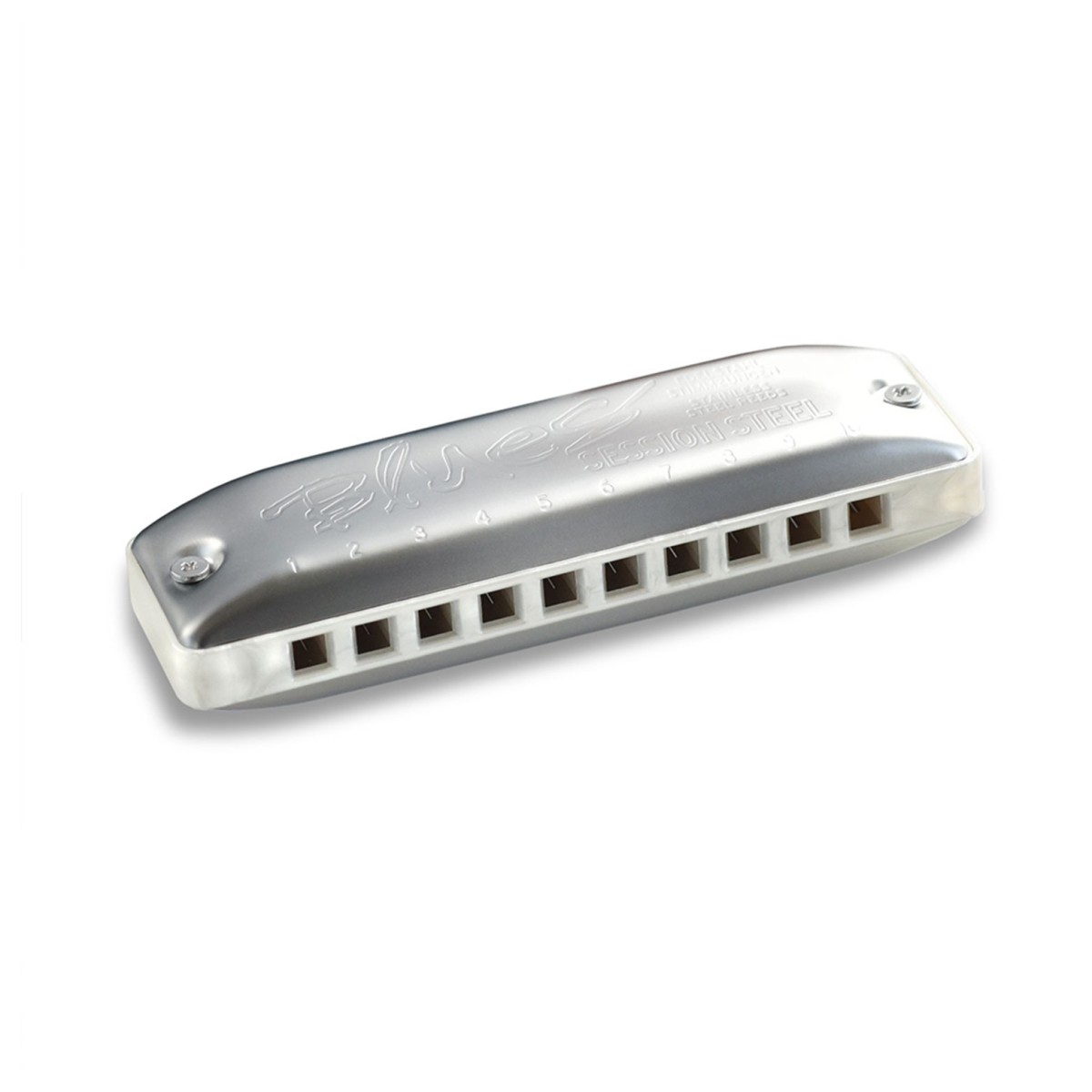
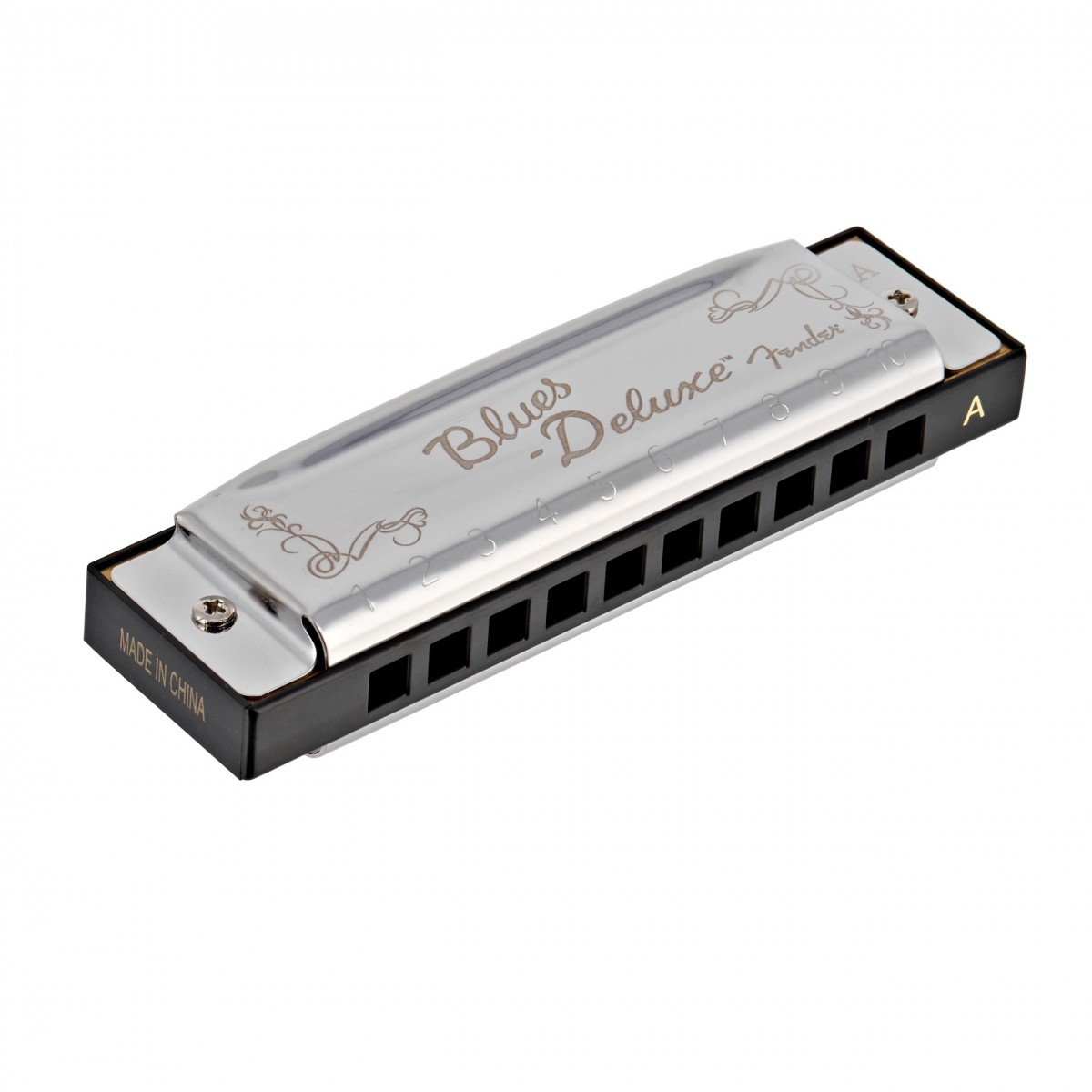
Compared to standard diatonic models like the Fender Blues Deluxe or the Seydel 1847 Session Steel, the Easy Third D offers a distinct advantage for players who wish to avoid the complex overblow and bending techniques usually required to achieve minor scales on a standard Richter harmonica. While the Session Steel (such as the Summer Edition 2026) offers similar reed technology, the 1847's wooden comb and specific tuning target a more specialised professional demographic. It sits in a higher price bracket than entry-level plastic-bodied models, reflecting its German craftsmanship and premium materials.
Related gear
 €4.69
Stagg
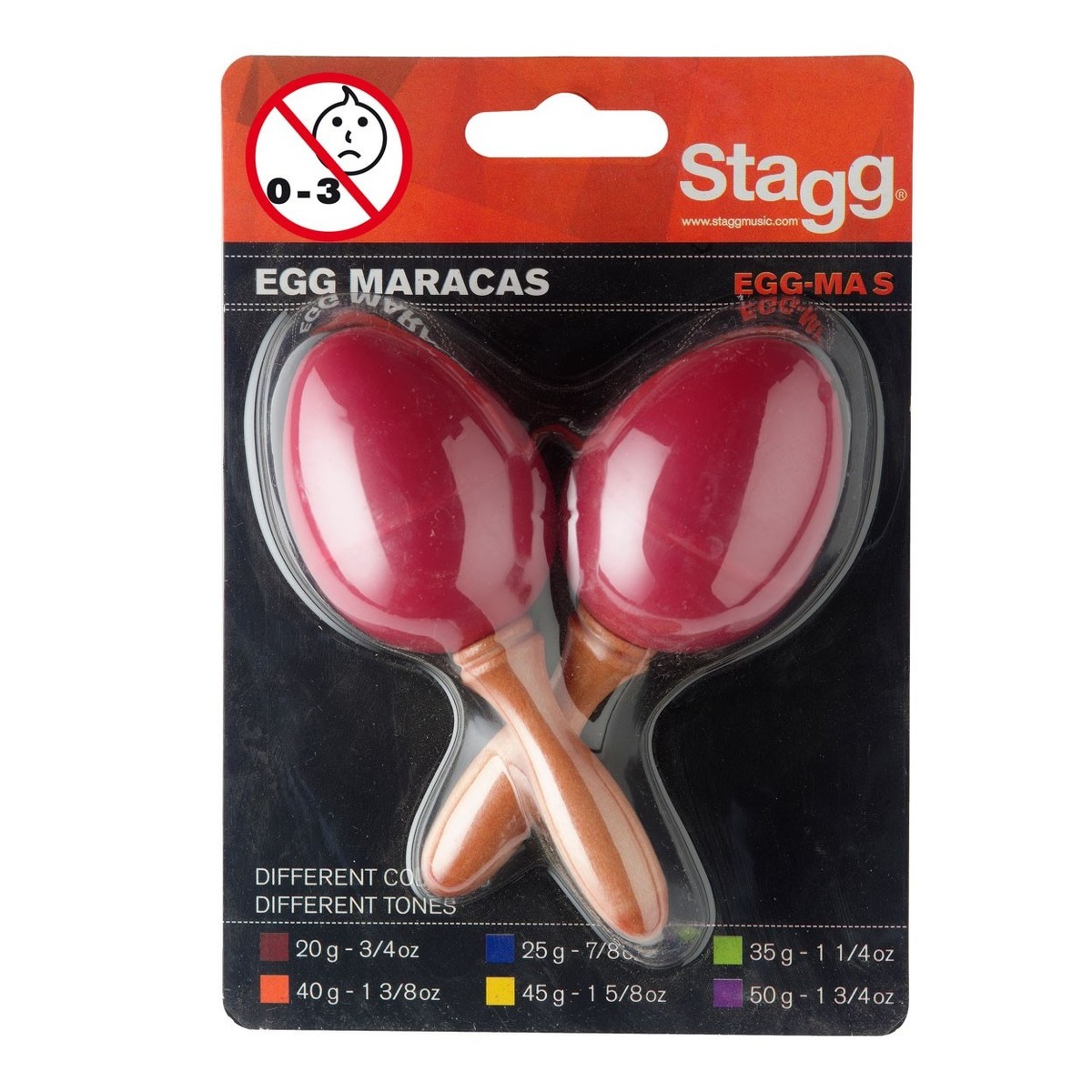
Stagg Plastic Egg Maracas Red
 €139.94
Sonor
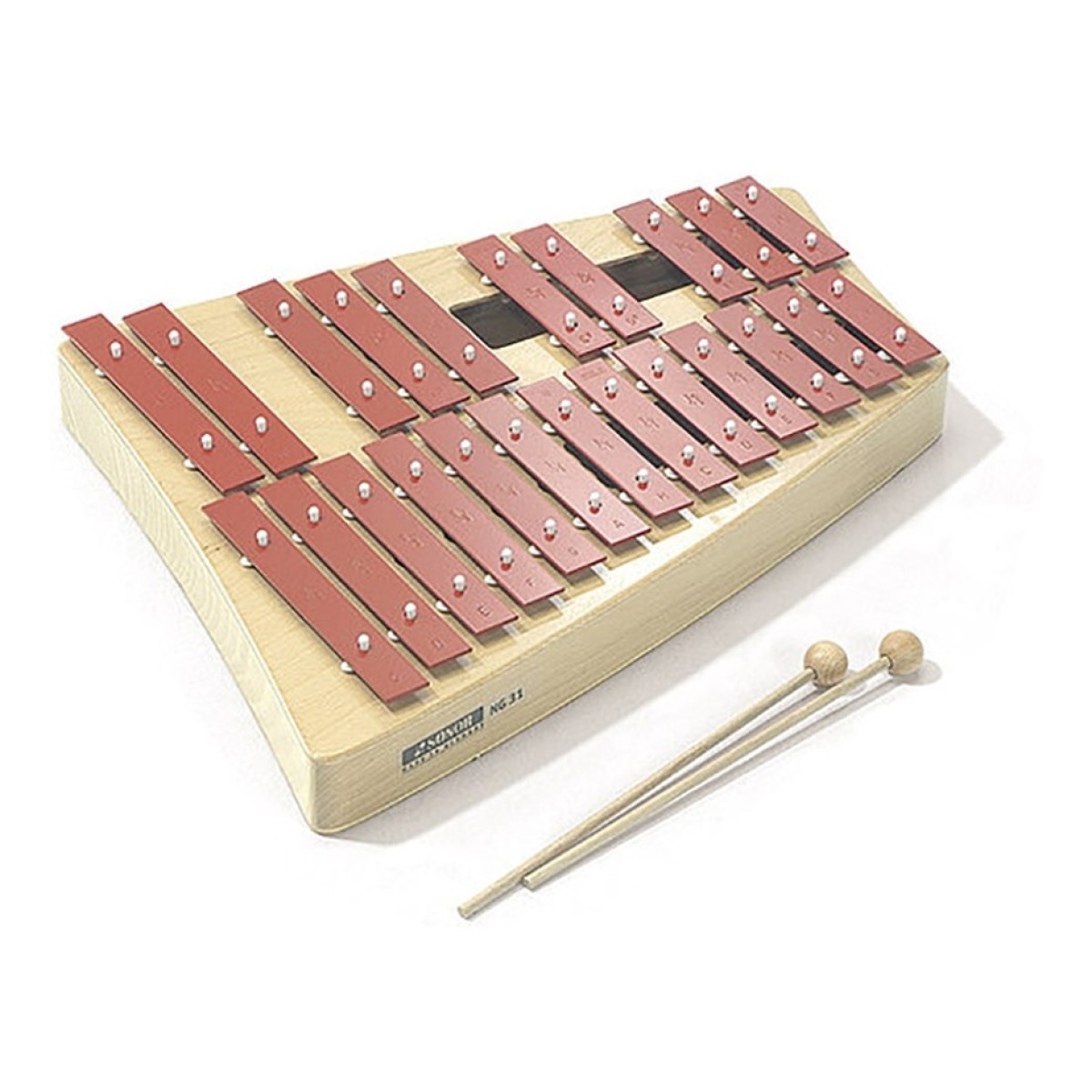
Sonor Orff NG31 Alto Chromatic Glockenspiel
 €27.87
Remo
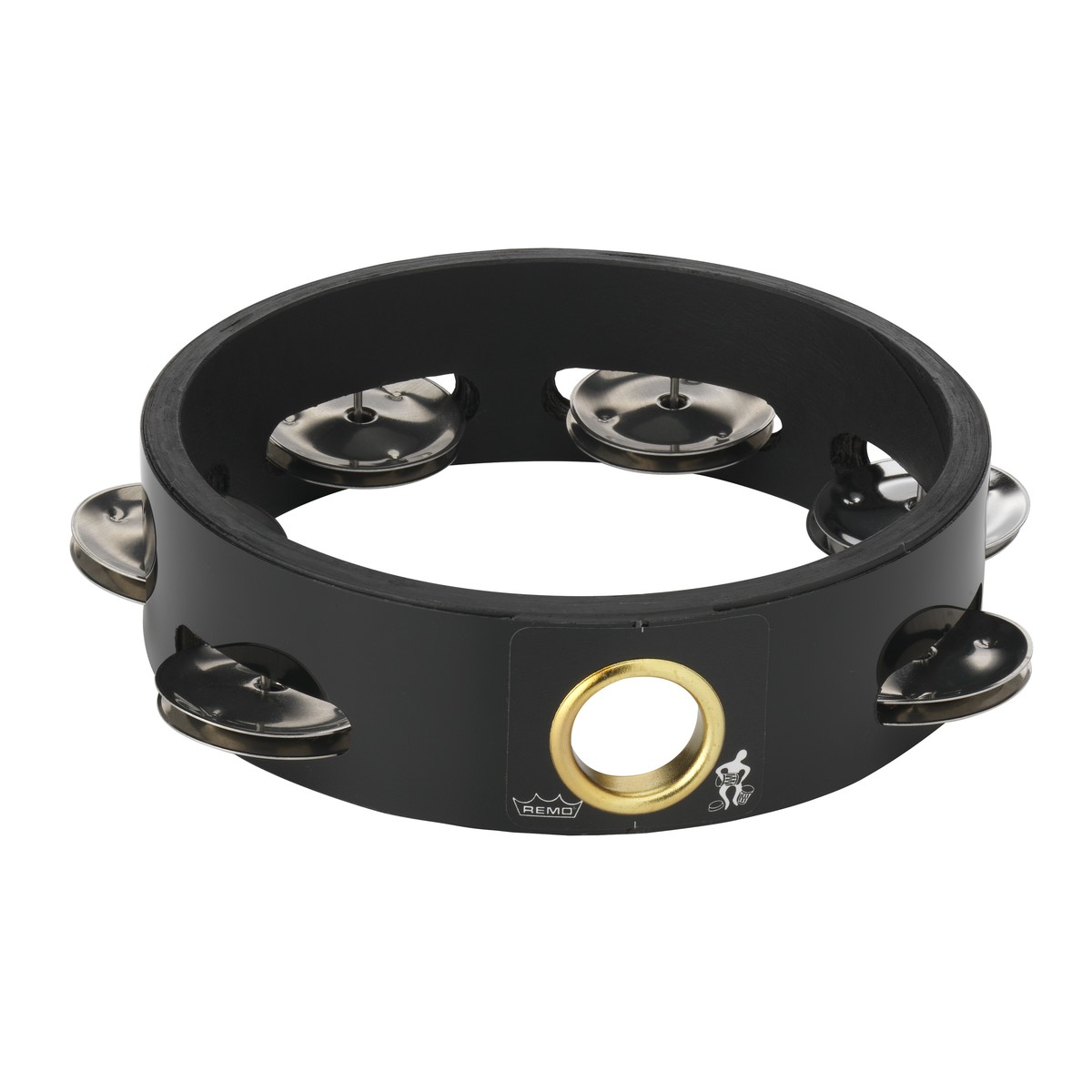
Remo 6 Single Row Headless Tambourine Black
 €21.04
Meinl
Meinl Percussion Heel Tambourine Black
 €57.62
Seydel Harmonicas
Seydel 1847 Session Steel Blues Harmonica C Summer Edition 2026
 €18.81
Fender
Fender Blues Deluxe Harmonica A
 €27.99
Meinl
Meinl Spin Spark Shaker Black Nickel
 €9.67
Meinl
Meinl Small Plastic Egg Maracas Black
Frequently asked questions
- What is the primary benefit of the Easy Third tuning?
- The Easy Third tuning allows players to access both major and minor scales more naturally than standard Richter tuning. It specifically enables melodic phrasing in Dorian and minor modes without the need for difficult bending techniques.
- What material are the reeds made from?
- The harmonica uses 20 stainless steel reeds. These are chosen for their long-term durability, tuning stability, and bright, responsive sound character.
- How is the walnut comb treated?
- The walnut comb is sealed to protect it from moisture. This process prevents the wood from swelling or warping, ensuring a comfortable feel and a consistent seal against the reed plates.
- In what key is this specific model tuned?
- This specific model is tuned to the key of D, though the Easy Third layout modifies how that key is accessed across the 10 holes.
- What genres is this harmonica best suited for?
- It is highly recommended for folk, blues, and jazz. Its ability to play minor scales makes it particularly useful for Irish traditional music and complex blues progressions.
- Can I play minor chords on this instrument?
- Yes, the layout is designed to deliver a full minor draw chord. This adds harmonic depth to performances that standard diatonic harmonicas cannot easily replicate.
- How does the 1847 model differ from the Session Steel?
- The 1847 model features a premium wooden (walnut) comb and a specific chassis design for projection, whereas the Session Steel typically uses an ergonomic plastic comb and a different body shape.
- Is this harmonica suitable for beginners?
- While beginners can use it, it is specifically designed for players who need flexible scale access. Its price point and specialized tuning make it more of an investment for serious students or professional players.
- What kind of intervals are emphasized in this layout?
- The tuning prioritizes tightly-voiced intervals like fifths and octaves. These intervals are designed to sound expressive and remain stable due to the high-tolerance reed plates.
- What is the typical price range for this model?
- The typical price range for this harmonica is approximately GBP 101. This reflects its status as a professional-grade instrument manufactured in Germany.
- Are the cover plates comfortable for long sessions?
- Yes, the stainless steel covers are ergonomically shaped. This design intended to provide both player comfort during long sets and maximum acoustic projection.
- Does this harmonica require frequent maintenance?
- Because of the stainless steel reeds and the sealed walnut comb, it is more durable than many traditional harmonicas. However, standard cleaning and care are recommended to maintain its tight tolerances.
Sources
Last updated: