
Gear article
Sennheiser e602 II Dynamic Instrument Microphone
The Sennheiser e602 II is a large-diaphragm dynamic microphone specifically engineered for low-frequency instrument capture in both live and studio environments. Renowned for its lightweight aluminium construction and extended bass response, it is a standard choice for kick drums, bass cabinets, and brass instruments.

Overview and Design
The Sennheiser e602 II is an evolution of the original e602 design, refining the weight and performance characteristics for modern audio requirements. It features a rugged, lightweight aluminium body that allows it to be positioned securely on long boom arms without the sagging issues often associated with heavier large-diaphragm microphones. The integrated stand mount ensures stability and ease of placement within the confined spaces of a drum kit or in front of a large bass amplifier.
Technical Capabilities
Operating as a dynamic microphone with a cardioid polar pattern, the e602 II is designed to provide high levels of isolation. Its frequency-independent directivity helps maintain a consistent sound even when off-axis noise is present. The microphone is notable for its sub-bass reach, with a frequency response starting as low as 20Hz, allowing it to capture the 'thump' and physical impact of low-end instruments that standard utility microphones might miss.
Sound Character
The sonic profile of the e602 II is tailored to provide a mix-ready sound with minimal external processing. It is designed to deliver a combination of warmth, impact, and clarity. By focusing on the low-frequency foundation, the microphone captures the depth of bass guitars and double basses while maintaining enough definition to prevent the signal from becoming muddy or indistinct.
Applications and Suitability
While primarily associated with kick drums, the e602 II is a versatile tool for any source with significant low-frequency content. Its robust SPL handling and frequency response make it suitable for:
- Kick drums (internal or external placement)
- Electric bass guitar cabinets
- Double bass
- Low-brass instruments such as tubas
- Large percussion instruments
It is particularly well-suited for engineers who need a reliable, 'plug-and-play' solution that provides a solid low-end foundation without requiring excessive EQ.
Comparison to Industry Standards
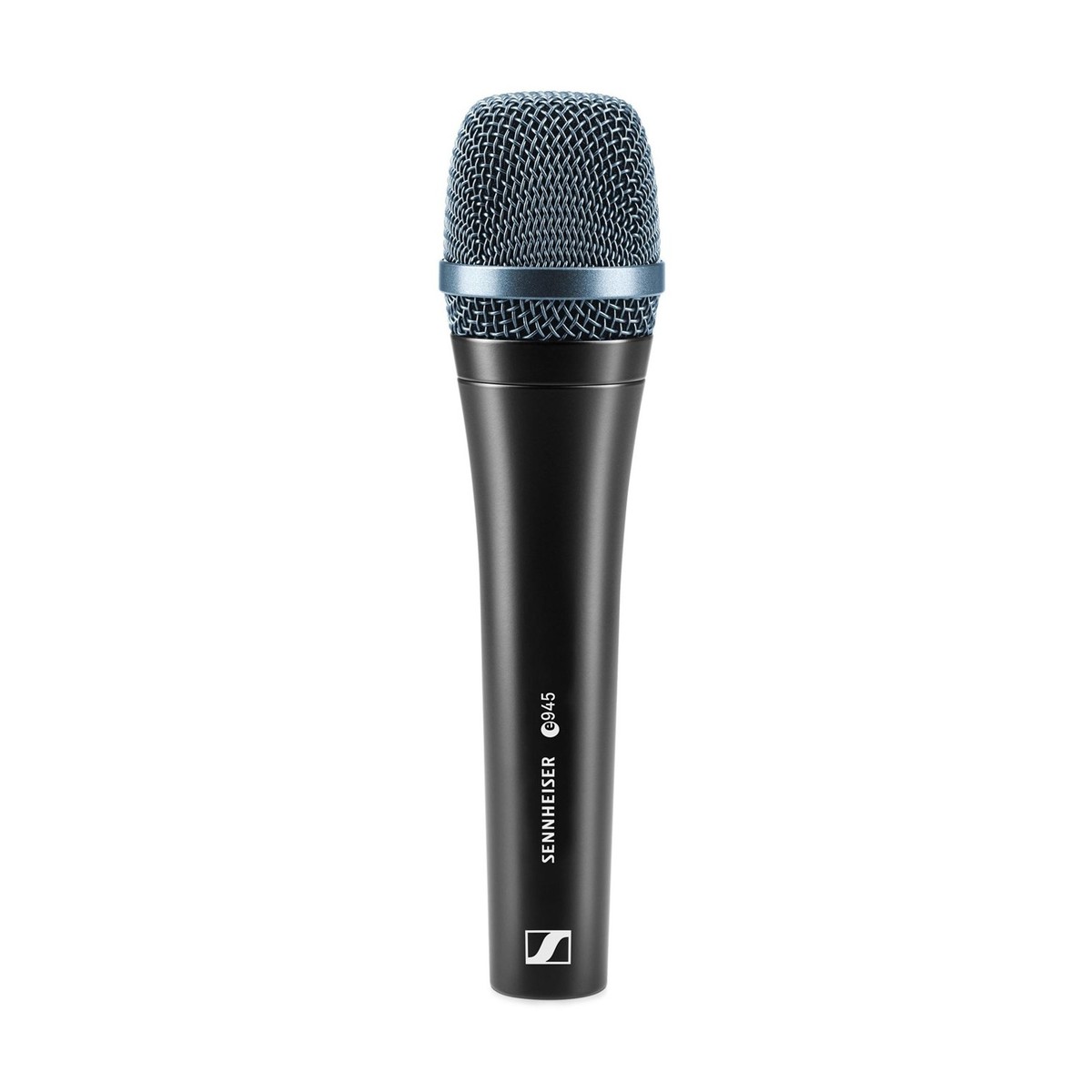
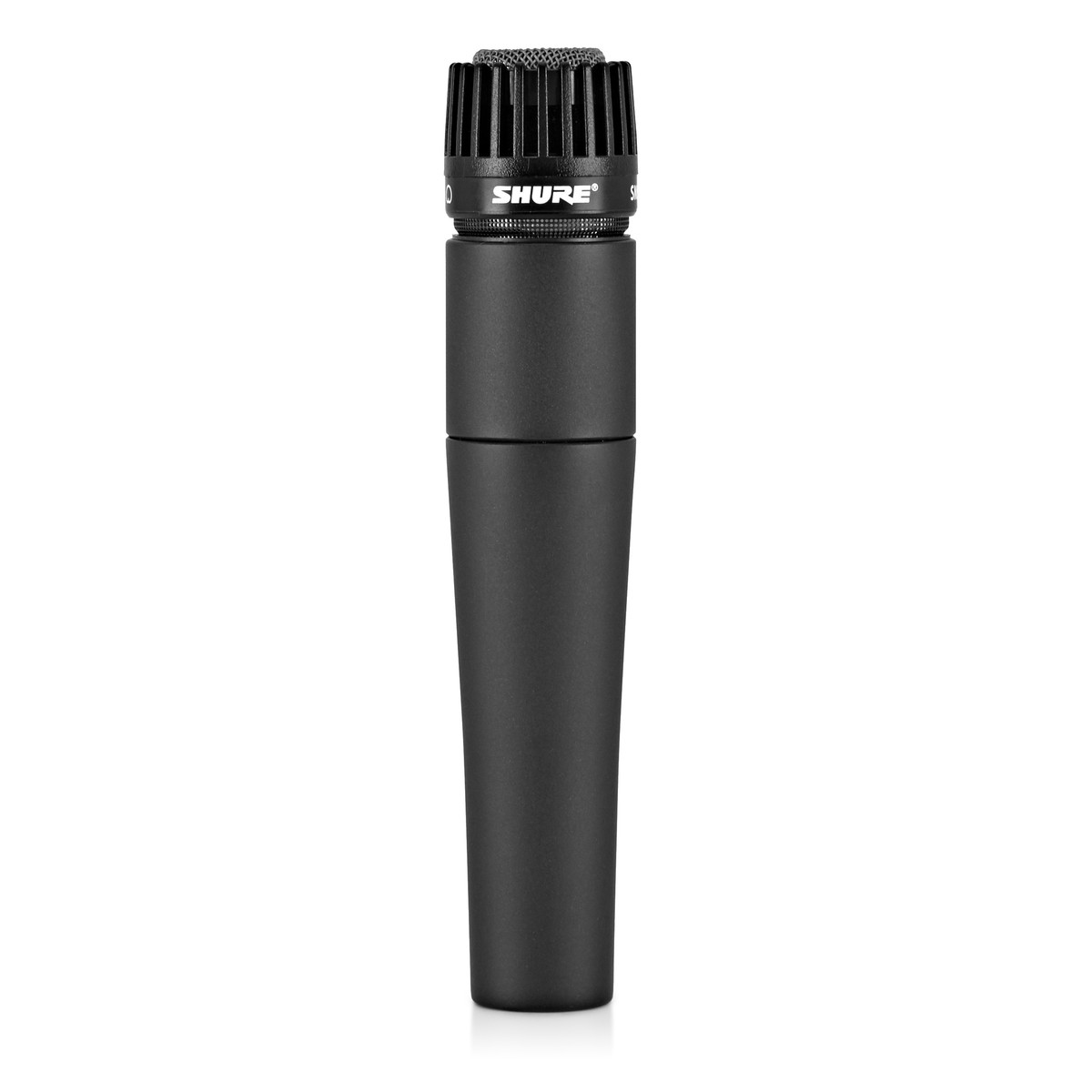
Compared to general-purpose dynamic microphones like the Shure SM57 or SM58, the e602 II offers a significantly broader low-frequency range tailored for instruments rather than vocals. While high-end studio options like the Electro-Voice RE20 or Sennheiser MD 441-U provide a flatter, more linear response, the e602 II is more specialised for 'impact' and 'weight.' Within Sennheiser's own range, it serves as a more accessible alternative to the higher-tier Evolution 900 series models like the e945 (vocal) or dedicated e900-series drum microphones.
Related gear
 €657.34
Electro-Voice
Electro-Voice RE20 Dynamic Cardioid Microphone
 €198.66
Sennheiser
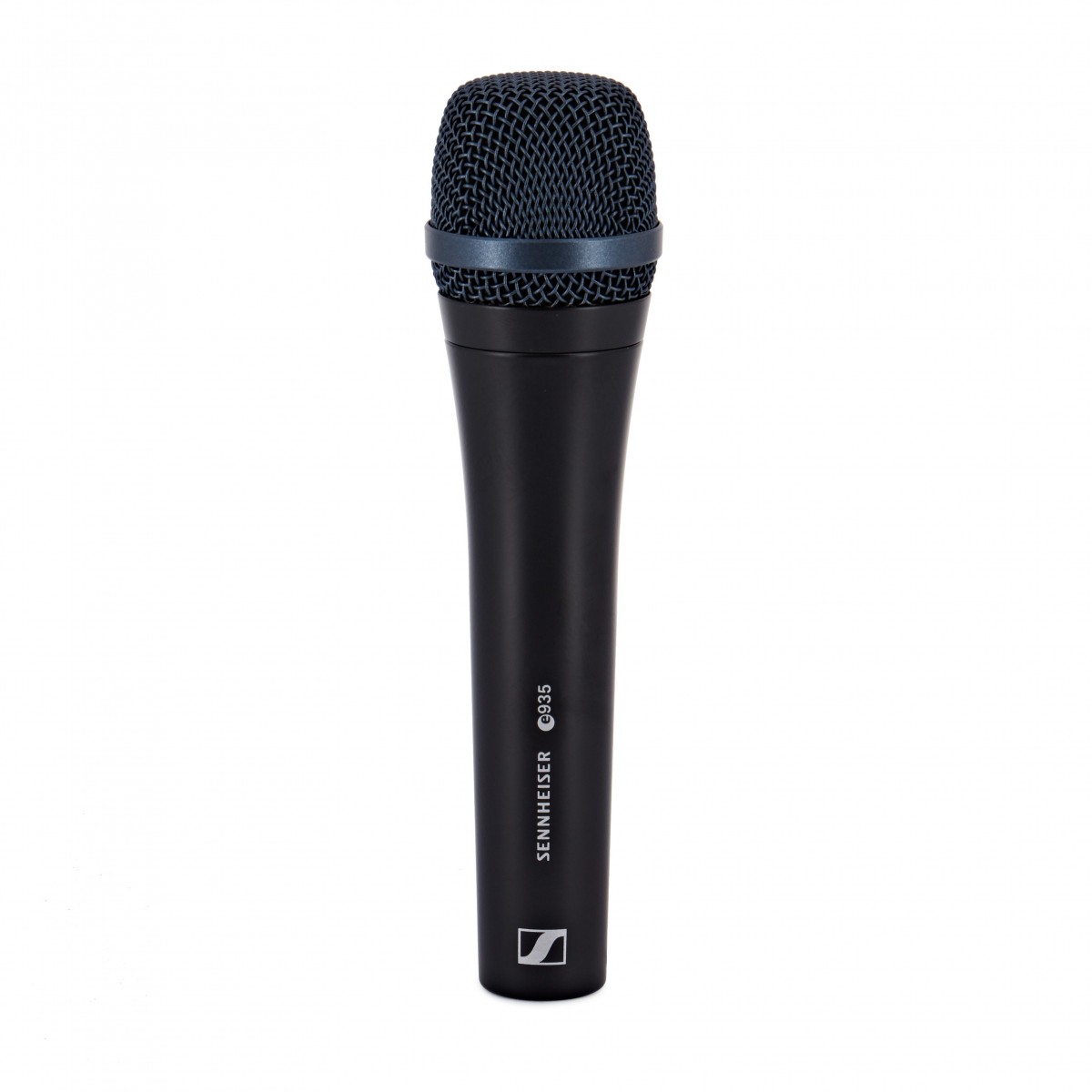
Sennheiser e935 Dynamic Vocal Microphone
 €159.04
Shure
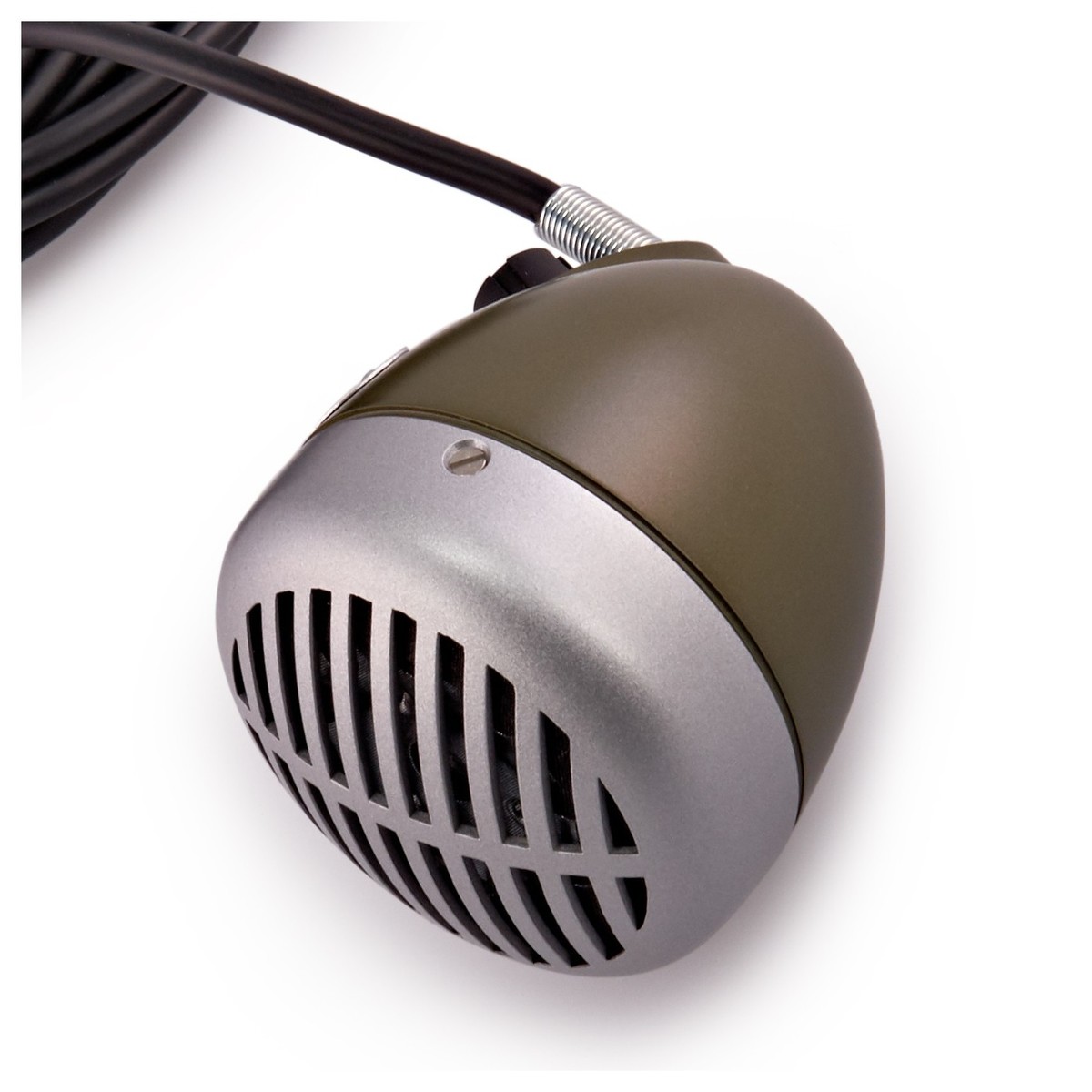
Shure 520DX Green Bullet Harmonica Microphone
 €189.32
Shure
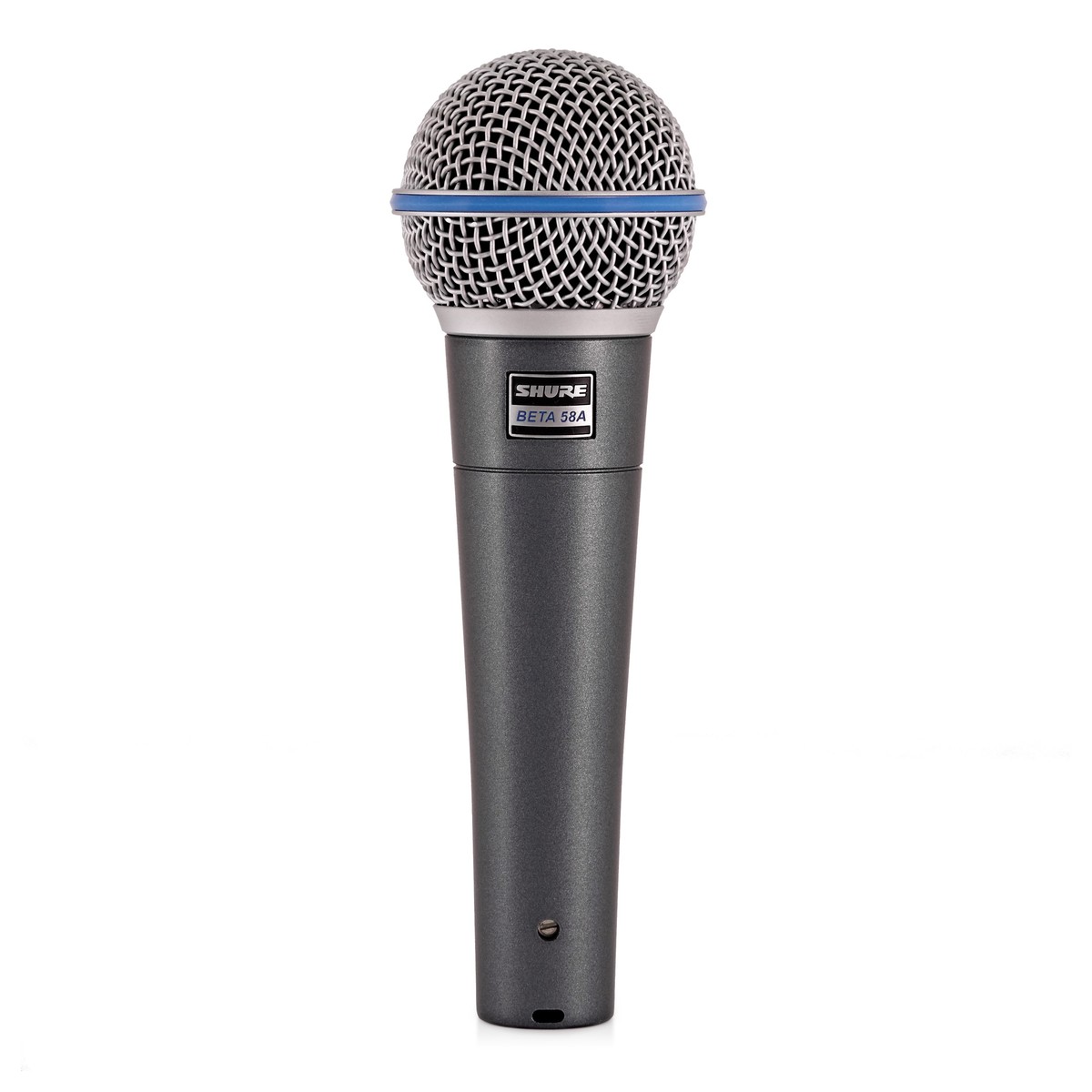
Shure Beta 58A Dynamic Microphone
 €129.00
Shure
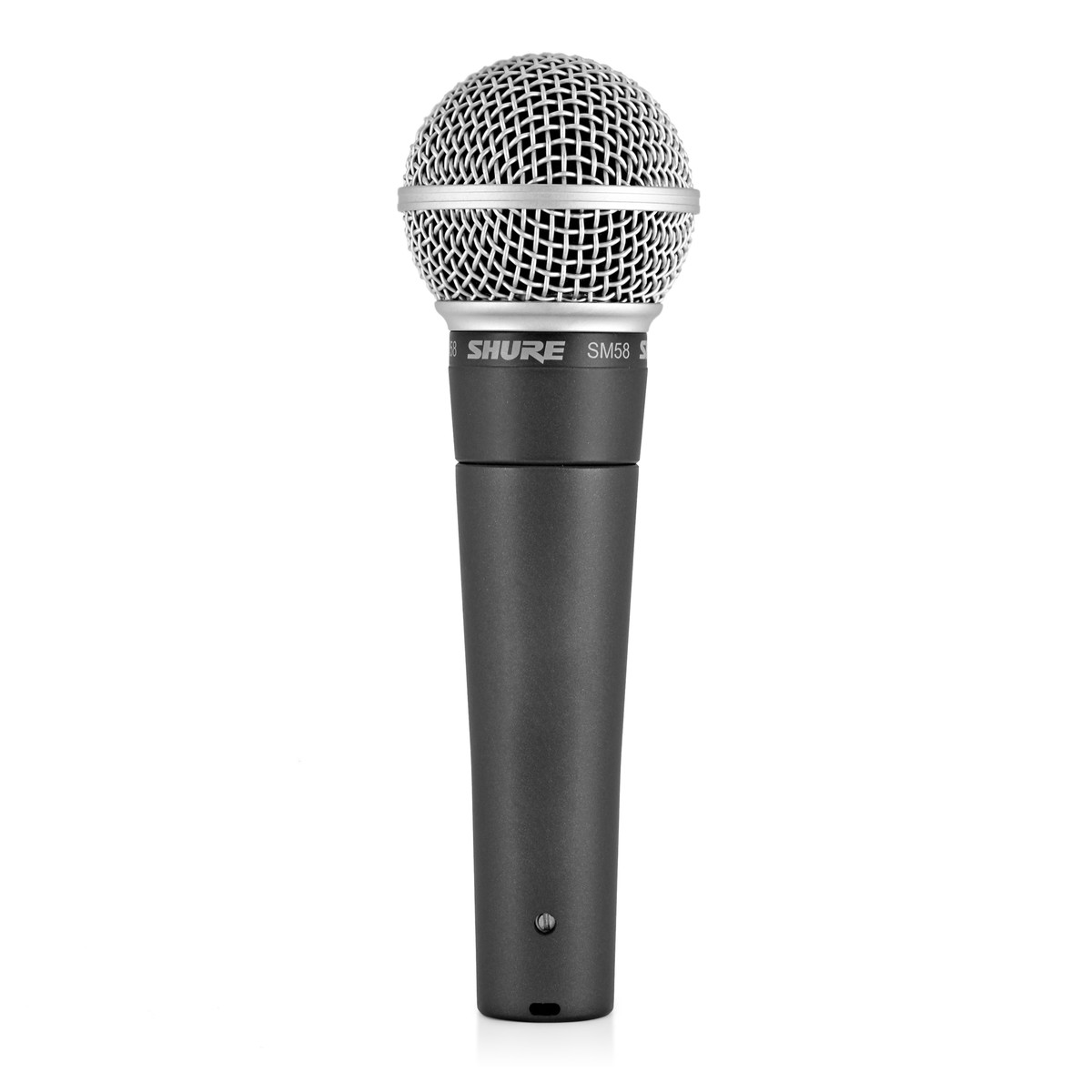
Shure SM58 Dynamic Cardioid Vocal Microphone
 €196.74
Sennheiser
Sennheiser e945 Dynamic Vocal Microphone
 €122.00
Shure
Shure SM57 Dynamic Instrument Microphone
 €1,270.00
Sennheiser
Sennheiser MD 441-U Dynamic Supercardioid Microphone
Frequently asked questions
- What is the primary use for the Sennheiser e602 II?
- The e602 II is primarily designed for low-frequency instruments. It is most commonly used for capturing kick drums, bass guitar cabinets, and large brass instruments like the tuba.
- What is the frequency response of the e602 II?
- The microphone features a wide frequency response that starts at 20Hz and extends up to 16kHz. This allows it to capture the deep sub-bass frequencies essential for kick drums and bass instruments.
- Does the e602 II require phantom power?
- No, the Sennheiser e602 II is a dynamic microphone. It does not require phantom power to operate and can be connected directly to any standard XLR microphone input.
- What polar pattern does the e602 II use?
- It uses a cardioid polar pattern. This design provides excellent isolation from other sound sources by picking up sound primarily from the front and rejecting noise from the rear.
- How does the construction of the e602 II benefit live use?
- The microphone is built with a lightweight aluminium body. This makes it easier to position on long boom arms without the stand tipping or the arm sagging over time during a performance.
- Can the e602 II be used on a double bass?
- Yes, the e602 II is an excellent choice for double bass. Its 20Hz starting frequency ensures that the natural resonance and low-end warmth of the instrument are fully captured.
- How does this microphone handle high sound pressure levels (SPL)?
- As a dynamic microphone designed for kick drums, it is built to handle very high SPL without distorting. This makes it ideal for close-miking loud sound sources like bass amps and percussion.
- Is the mount integrated into the microphone?
- Yes, the e602 II features an integrated stand mount. This simplifies setup and ensures the microphone remains stable once positioned.
- How does the e602 II differ from the Shure SM57?
- While the SM57 is a versatile mid-range focused microphone, the e602 II is a large-diaphragm microphone tailored for low frequencies. The e602 II provides much more bass response than the SM57.
- What is 'frequency-independent directivity'?
- This means the microphone maintains its cardioid pickup pattern across its frequency range. This results in more consistent sound and better rejection of unwanted noise regardless of the pitch.
- Is the e602 II suitable for recording tubas?
- Yes, the e602 II is explicitly recommended for tuba. Its ability to capture deep low-end while maintaining clarity helps the instrument sit well in a mix.
- Does the e602 II provide a 'pre-EQ'd' sound?
- Yes, the microphone is designed to provide impact and warmth right out of the box. Its frequency response is tailored to enhance the desirable characteristics of bass instruments without needing heavy processing.
Sources
Last updated: