
Gear article
sE Electronics VR1 Ribbon Microphone
The sE Electronics VR1 is a passive ribbon microphone designed to deliver a full-range frequency response from 20Hz to 20kHz. Utilizing a unique mechanical design to overcome the traditional high-frequency limitations of ribbon transducers, it is frequently employed for recording guitar cabinets and acoustic instruments.

Overview
The sE Electronics VR1 Voodoo is a ribbon microphone that breaks from the traditional design constraints of its category. While many ribbon microphones suffer from a significant roll-off in the high frequencies, the VR1 is engineered to capture a full 20Hz to 20kHz spectrum. This design intention ensures that the microphone maintains the warmth and natural compression characteristic of ribbon technology while providing the clarity and detail typically associated with condenser microphones.
Design and Construction
The VR1 features an all-metal housing, which serves a dual purpose. Firstly, it provides the necessary durability for both studio and stage use. Secondly, the metal chassis offers effective noise rejection, shielding the sensitive internal ribbon from electromagnetic interference. The microphone also incorporates a custom-designed transformer, which is essential for providing an accurate and clear representation of the sound source without unwanted coloration or distortion.
Sound Character and Performance
The primary characteristic of the VR1 is its ability to balance 'bite' and 'edge' with a smooth, natural frequency response. In application, this means it can capture the aggressive transients of a guitar amplifier without the 'muddy' or muffled high-end often found in vintage-style ribbon mics. Its full-range response makes it a versatile tool for capturing the air and space of a performance while maintaining a solid low-end foundation.
Suitability and Application
The VR1 is particularly well-suited for studio engineers and guitarists. It excels when placed in front of loud guitar cabinets, where its high-frequency detail helps the instrument cut through a mix. Beyond electric guitars, its natural voicing and precise detail make it an excellent choice for a variety of acoustic instruments, including strings, brass, and percussion, where a realistic and interference-free recording is required.
Comparative Analysis
When compared to other studio standards, the VR1 offers a distinct alternative to dynamic and condenser options. Unlike the Shure SM7B, which provides a more focused mid-range, the VR1 offers a broader frequency range and the specific transient response of a ribbon element. Compared to high-end condensers like the Neumann TLM 102 or TLM 103, the VR1 provides a smoother, less clinical top-end while still retaining more high-frequency detail than a standard ribbon microphone.
Related gear
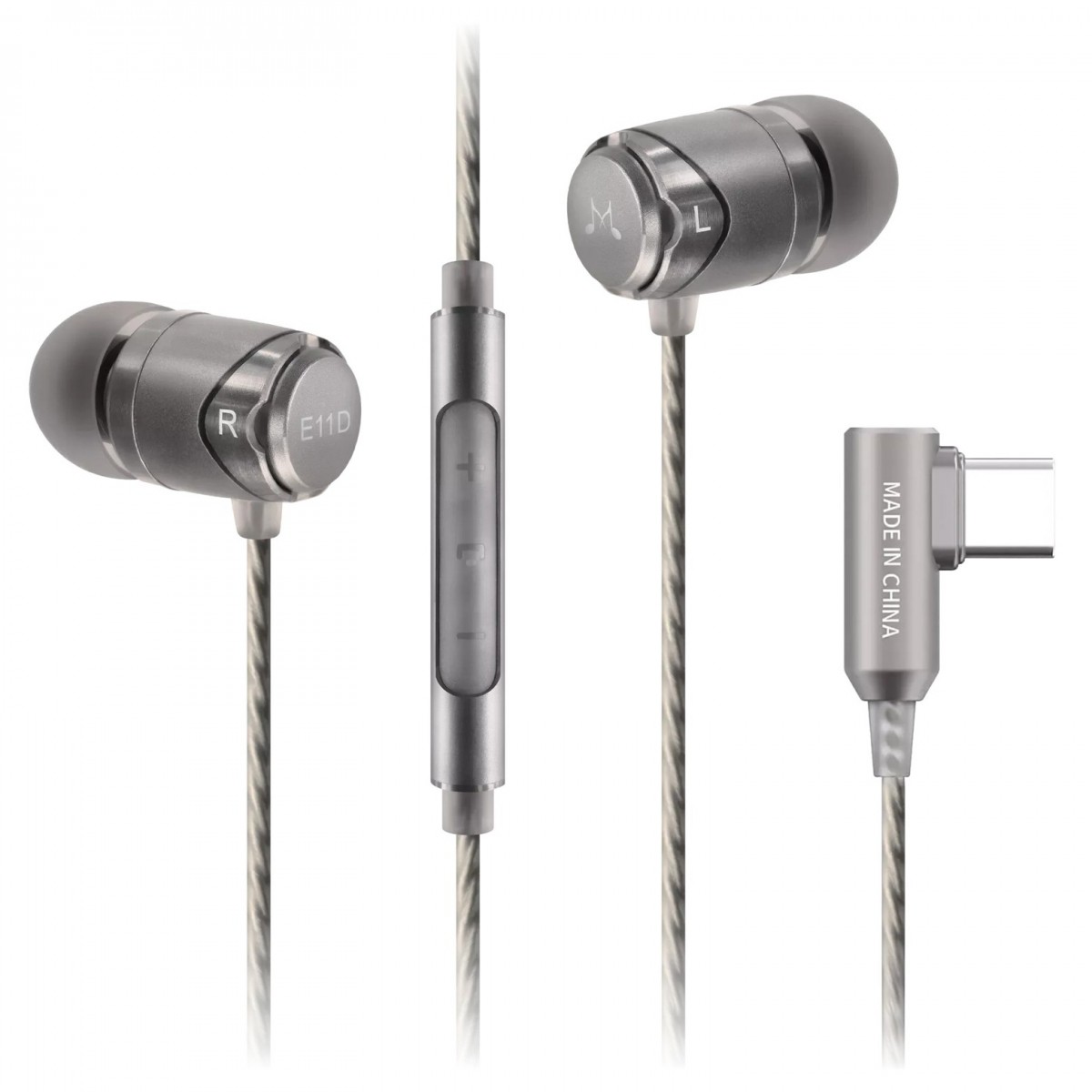 €47.01
SoundMagic
SoundMAGIC E11D In Ear Isolating USB-C Earphones with Mic Silver
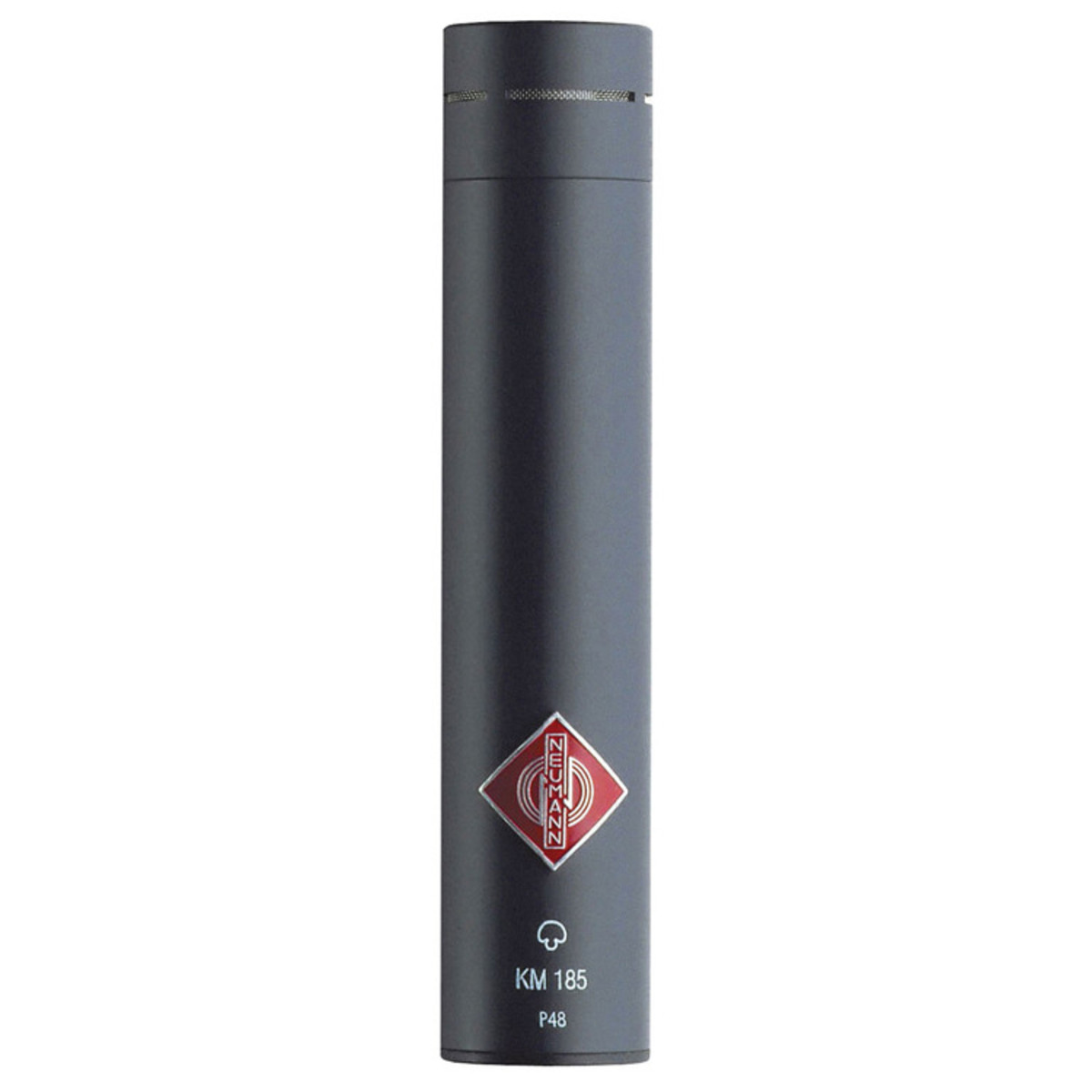 €834.06
Neumann
Neumann KM 185 MT Super-Cardioid Compact Condenser Mic Black
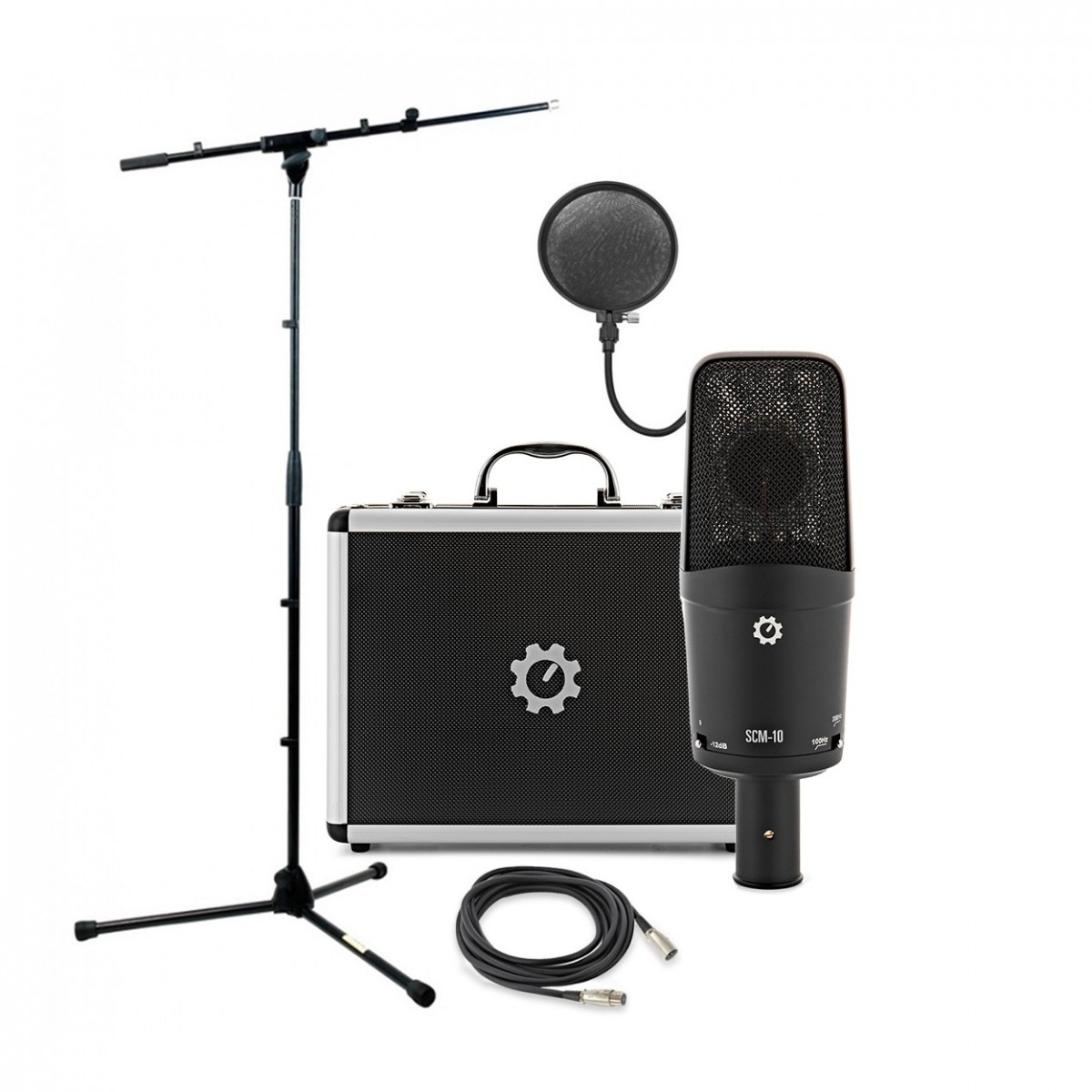 €152.86
G4M
G4M Studio Condenser Microphone Home Recording Pack
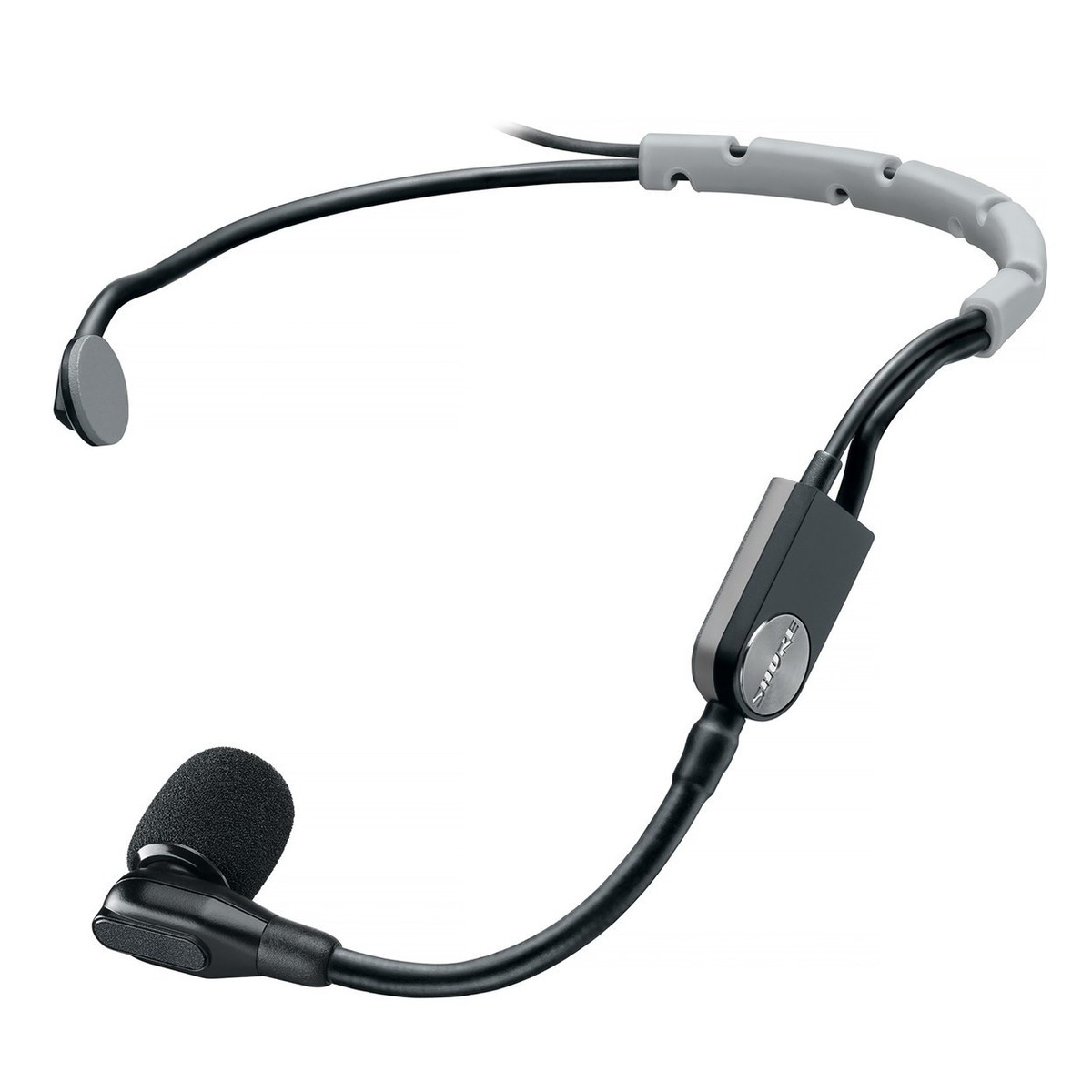 €288.10
Shure
Shure SM35-XLR Cardioid Condenser Headset Microphone
 €236.58
Audix
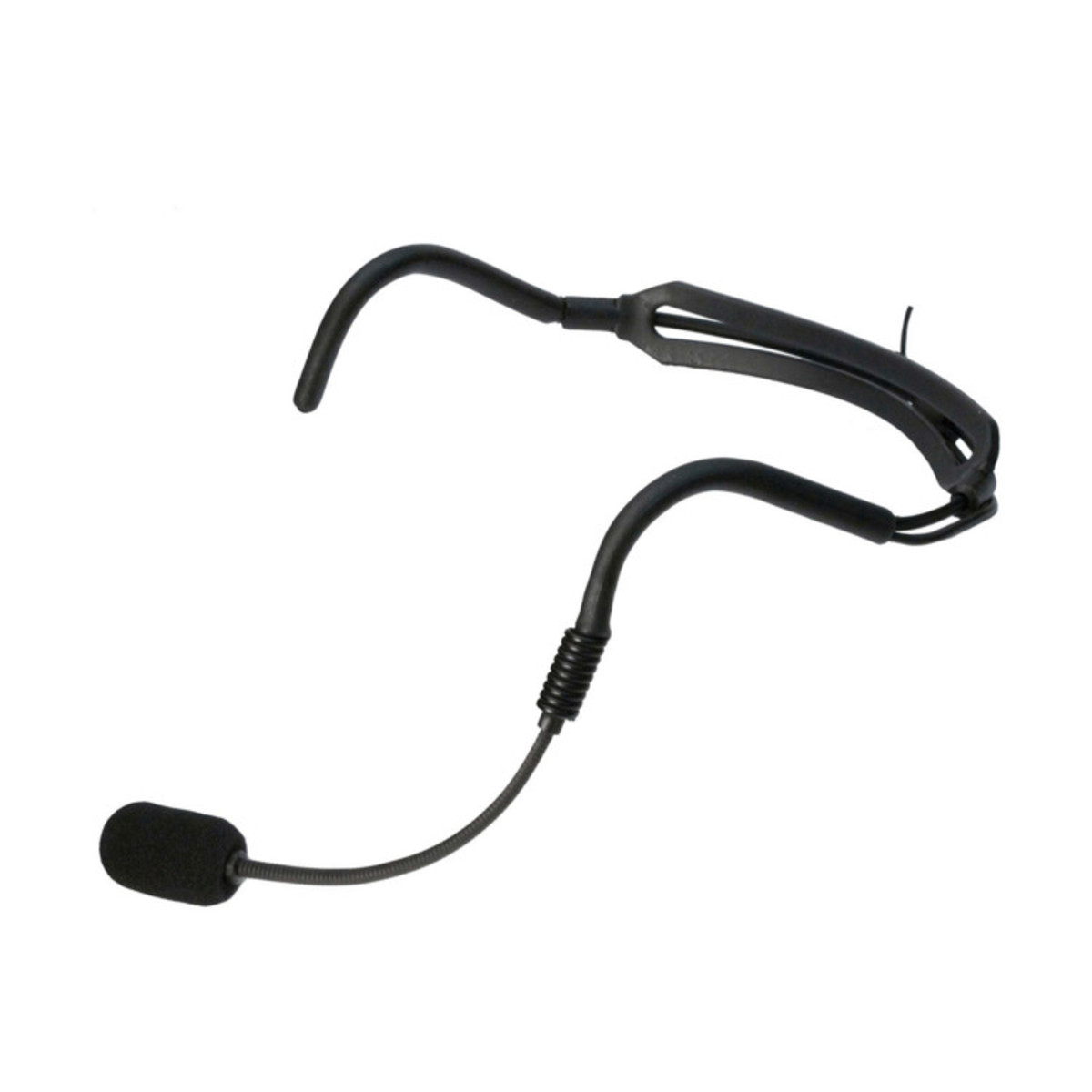
Audix HT2 Super Cardioid Headset Condenser Mic With 3 Pin Mini XLR
 €740.15
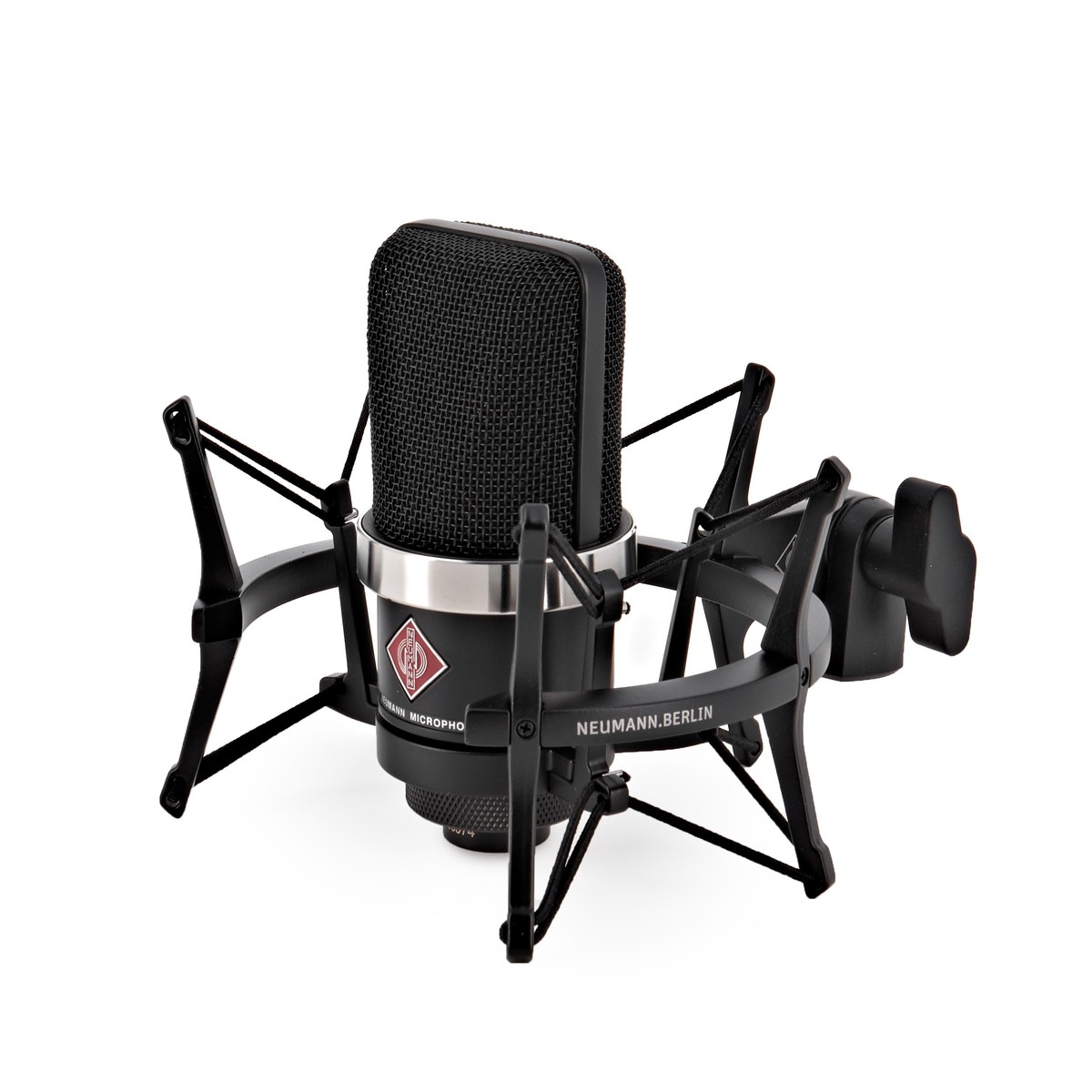
Neumann
Neumann TLM 102 Microphone Studio Set Black
 €1,305.37
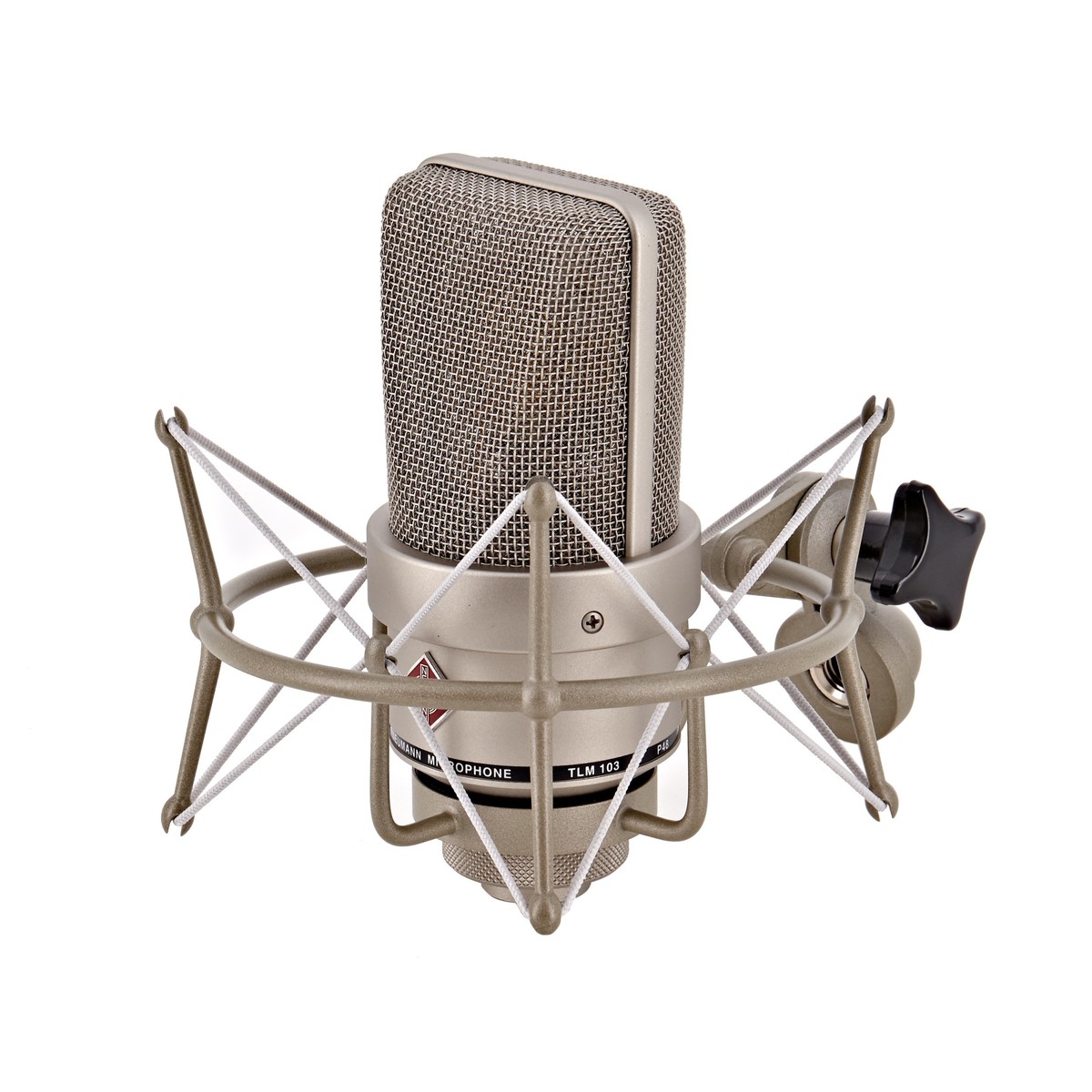
Neumann
Neumann TLM 103 Studio Set Microphone Nickel
 €410.40
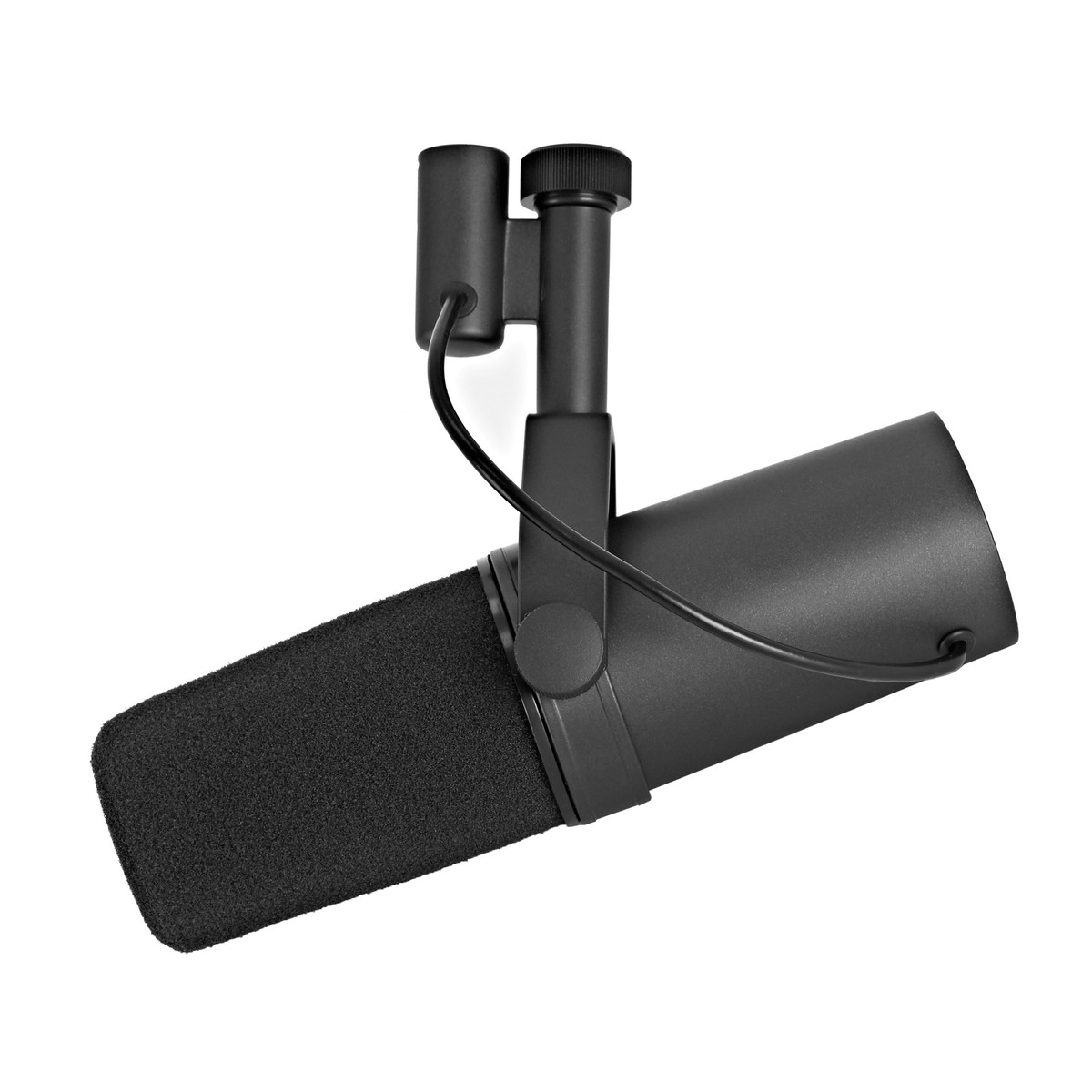
Shure
Shure SM7B Dynamic Studio Microphone
Frequently asked questions
- What is the frequency response of the sE Electronics VR1?
- The VR1 features a full frequency range of 20Hz to 20kHz. This is unusual for a ribbon microphone, as traditional designs typically have a significant roll-off in the high frequencies.
- Is the VR1 an active or passive microphone?
- The VR1 is a passive ribbon microphone. This means it does not require phantom power to operate, and using phantom power should generally be avoided to protect the delicate ribbon element.
- What type of housing does the VR1 use?
- The microphone features an all-metal housing. This design provides significant durability for professional use and helps reject external noise and interference.
- Which instruments are best suited for the VR1?
- The VR1 is ideal for electric guitar cabinets, capturing bite without muddiness. It is also highly effective for acoustic instruments that require a natural, detailed sound across the full frequency spectrum.
- How does the VR1 achieve its high-frequency detail?
- The microphone uses a unique mechanical design developed by sE Electronics to extend the high-frequency response. This allows it to capture details up to 20kHz that are often lost in other ribbon mics.
- Does the VR1 include a transformer?
- Yes, the VR1 features a custom-designed transformer. This component is crucial for ensuring a clear and accurate representation of the sound source.
- What is the typical price for the sE Electronics VR1?
- The typical price range for the sE Electronics VR1 is approximately £306. This places it in a competitive position for professional-grade studio ribbon microphones.
- How does the VR1 handle noise?
- The all-metal construction of the VR1 is specifically designed for effective noise rejection. This ensures that recordings remain free from interference even in complex studio environments.
- Can the VR1 be used for live performances?
- Yes, its durable all-metal housing makes it robust enough for live applications. However, like all ribbon mics, it should be handled with care to protect the internal ribbon.
- How does the VR1 compare to the Neumann TLM 103?
- The Neumann TLM 103 is a large-diaphragm condenser known for its high sensitivity and detail, whereas the VR1 is a ribbon mic that offers a smoother, more natural high-end while maintaining similar frequency coverage.
- Is the VR1 good for recording vocals?
- While primarily marketed for instruments and guitar cabs, the VR1's full 20Hz-20kHz range makes it capable of recording natural-sounding vocals, though a pop filter is highly recommended.
- Does the VR1 require special storage?
- As a ribbon microphone, it should be stored vertically when not in use to prevent 'ribbon sag' over time. The metal housing provides external protection, but the internal element remains delicate.
Sources
Last updated: