
Article
Roy Eldridge's gear: the instruments behind their career
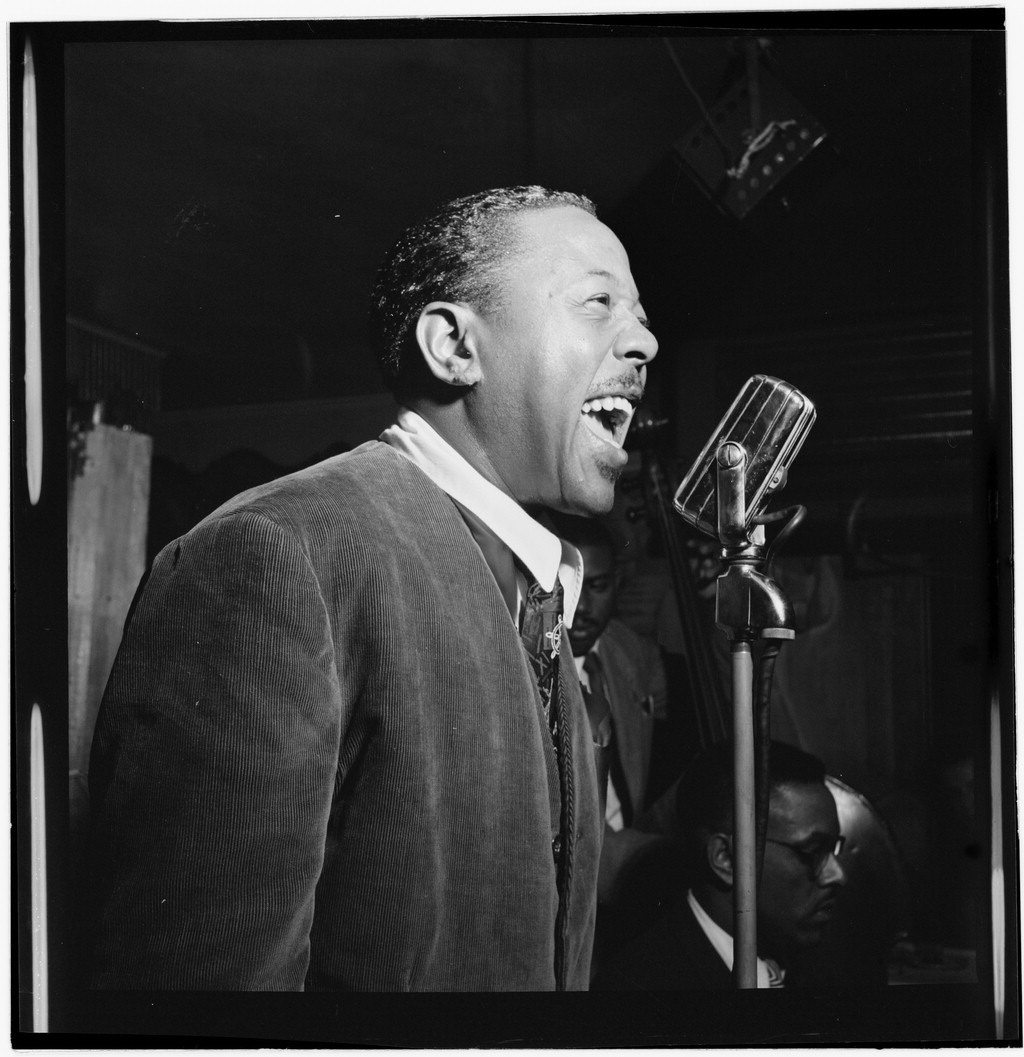
Roy Eldridge, the Pittsburgh-born virtuoso nicknamed 'Little Jazz', was a pivotal figure in the evolution of jazz trumpet. His preference for high-quality brass instruments allowed for a fast, fluid style that served as the essential bridge between the foundations of Louis Armstrong and the bebop innovations of Dizzy Gillespie.
Early Career and Technical Evolution
Beginning his career in 1927, Roy Eldridge quickly became known for a sophisticated approach to swing that pushed the technical boundaries of the trumpet. To achieve his trademark speed and harmonic complexity, he relied on professional-grade brass. During his formative years and rise to prominence, he was known to play the Selmer Grand Prix Trumpet, a model esteemed for its tonal clarity and responsiveness in a big band setting.
Signature Brass Selections
As Eldridge solidified his status as a leading soloist, he moved between several iconic trumpet models. He frequently utilised the Selmer Balanced Trumpet, which featured a unique valve block placement designed to shift the weight of the instrument, offering better balance during long, virtuosic solos. Later in his career, he was also associated with the Martin Committee Trumpet, a legendary instrument in the jazz world favoured for its dark, smoky tone and exceptional projection.
Late Career and Sound Reinforcement
In the later stages of his career, which lasted until 1980, Eldridge continued to perform in various jazz clubs and festivals. For live vocal announcements or instrumental amplification in modern venues, the industry-standard Shure SM58 microphone was employed to capture his output. While primarily a master of brass, archival records also link his later years to the Yamaha DX7, a digital synthesiser that represented the technological shifts occurring in the music industry during the early 1980s.
Legacy and Influence
Eldridge's choice of instruments supported a style that combined the power of swing with the melodic agility of later jazz movements. By mastering the Martin Committee Trumpet and various Selmer models, he provided the technical blueprint for the next generation of players, effectively bridging the gap between traditional swing and the arrival of modern jazz.
Artists who have used this item
Frequently asked questions
- When did Roy Eldridge begin his professional career?
- Roy Eldridge began his career in 1927.
- What was Roy Eldridge's nickname?
- He was nicknamed 'Little Jazz'.
- Which trumpet model did Eldridge use that was known for its weight distribution?
- He used the **Selmer Balanced Trumpet**, which featured a balanced valve block.
- What legendary brass instrument did Eldridge play that was also popular among other jazz greats?
- He played the **Martin Committee Trumpet**.
- Did Roy Eldridge use any digital instruments?
- Yes, he is associated with the **Yamaha DX7** synthesiser.
- What microphone was used for his performances?
- The **Shure SM58** was used for sound reinforcement.
- Which Selmer model did he use early in his career?
- He was known to use the **Selmer Grand Prix Trumpet**.
- What genres of music did Roy Eldridge play?
- He primarily performed jazz and swing music.
- Where was Roy Eldridge from?
- He was from Pittsburgh, Pennsylvania.
- How is Eldridge's playing style described in jazz history?
- His style is described as fast and fluid, acting as a link between Louis Armstrong and Dizzy Gillespie.
Last updated: