
Gear article
Rode NT3 Studio Condenser Microphone
The Rode NT3 is a versatile, large-diaphragm studio condenser microphone featuring a 3/4-inch cardioid capsule designed for both studio recording and live stage applications. Built with an all-metal chassis and an internal shock-mounting system, it is known for its ability to handle high sound pressure levels across a wide variety of sound sources.

Overview and Design
The Rode NT3 is positioned as a multi-purpose 'workhorse' microphone, engineered to provide high-fidelity audio capture in environments ranging from controlled studio settings to rigorous live performances. The microphone features a sleek, rugged design constructed from an all-metal body and a durable mesh grille. This physical build is intended to protect internal components and provide the longevity required for portable use.
Internally, the NT3 utilizes a 3/4-inch cardioid condenser capsule. To assist with reliability in mobile scenarios, the capsule is housed within an internal shock-mounting system, which helps to isolate the transducer from mechanical vibrations and handling noise.
Technical Features and Operation
The NT3 is defined by its cardioid polar pattern, which provides significant off-axis rejection. This focus allows the microphone to isolate the intended sound source while minimizing unwanted ambient noise from the sides and rear.
Key features include: - High SPL Handling: The microphone is designed to manage high sound pressure levels without distortion, making it suitable for loud instruments. - Mesh Grille Head: The protective head serves a dual purpose by acting as a shield for the capsule and helping to reduce sibilance and plosive sounds during vocal recordings. - Dual Powering: While typical for this class, its design supports both phantom power and internal battery options for field flexibility.
Sonic Character
The Rode NT3 is engineered to deliver a wide frequency response that maintains the original tonality of the source material. It is described as providing a rich and focused sound, largely due to the specific tuning of its 3/4-inch capsule. By balancing accurate detail with the ability to withstand high volume inputs, the microphone achieves a neutral yet detailed character suitable for a variety of acoustic and amplified instruments.
Applications and Suitability
Due to its robust construction and high SPL tolerance, the NT3 is highly versatile. It is considered ideal for: - Drums and Percussion: Handling the sharp transients and high volumes of a drum kit. - Guitar Amplifiers: Capturing the output of loud cabinets without signal degradation. - Vocals: Providing a focused sound with reduced plosives for both singing and speech. - Live Performance: The all-metal body and internal shock-mounting make it a reliable choice for the road.
Market Comparison
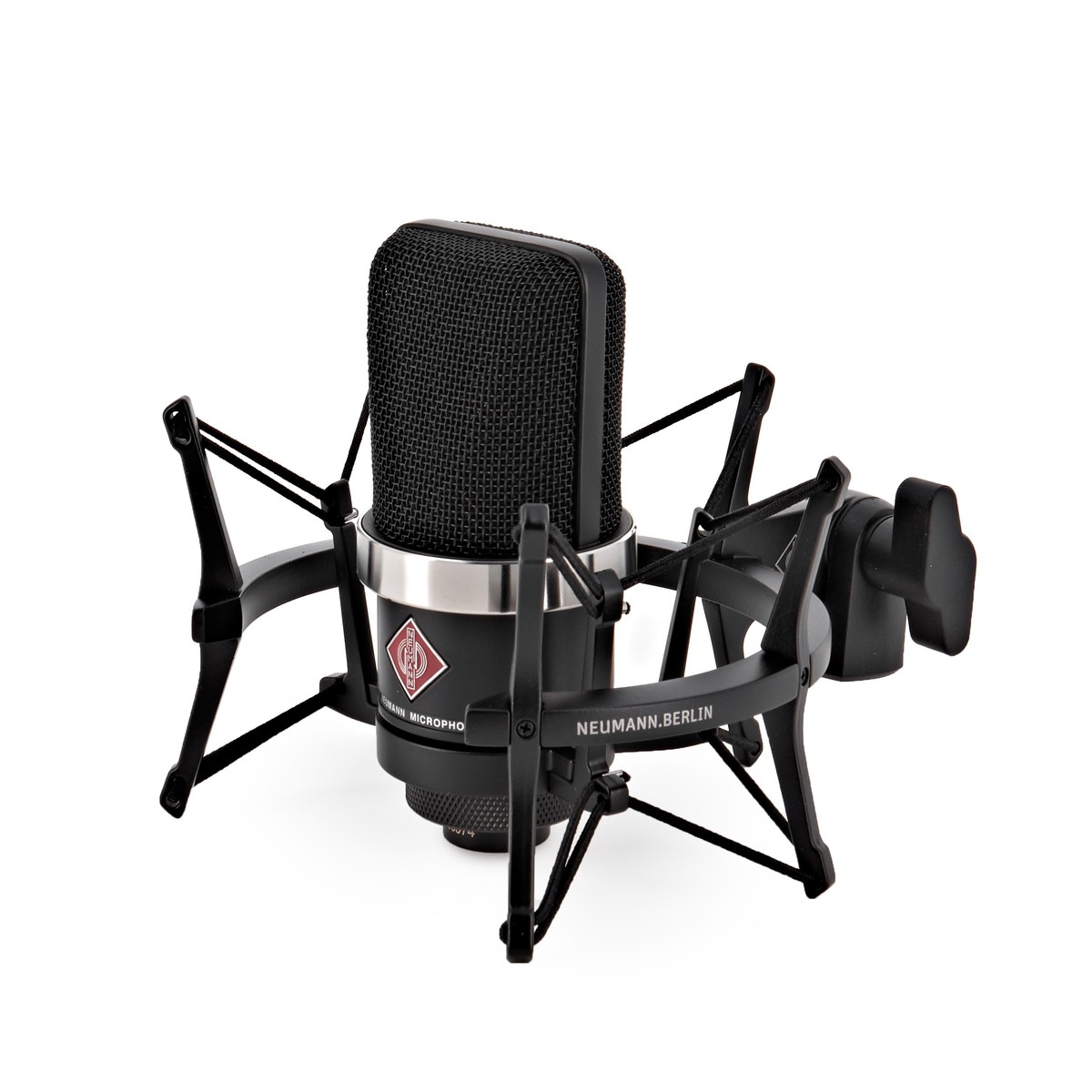
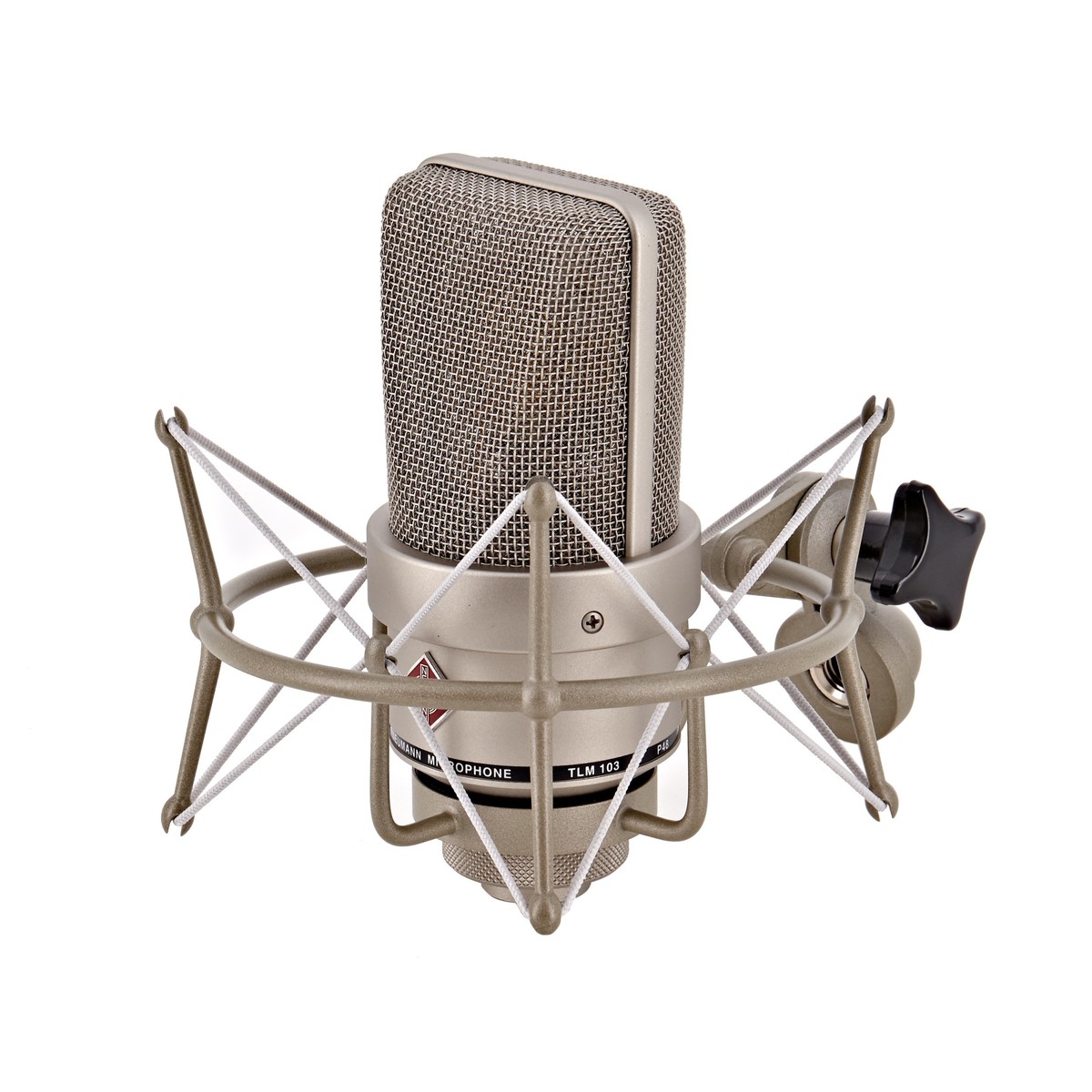
Within the studio microphone market, the Rode NT3 sits as a mid-range versatile option. Compared to high-end studio standards like the Neumann TLM 103 or TLM 102, the NT3 offers a more ruggedized form factor better suited for live use at a lower price point.
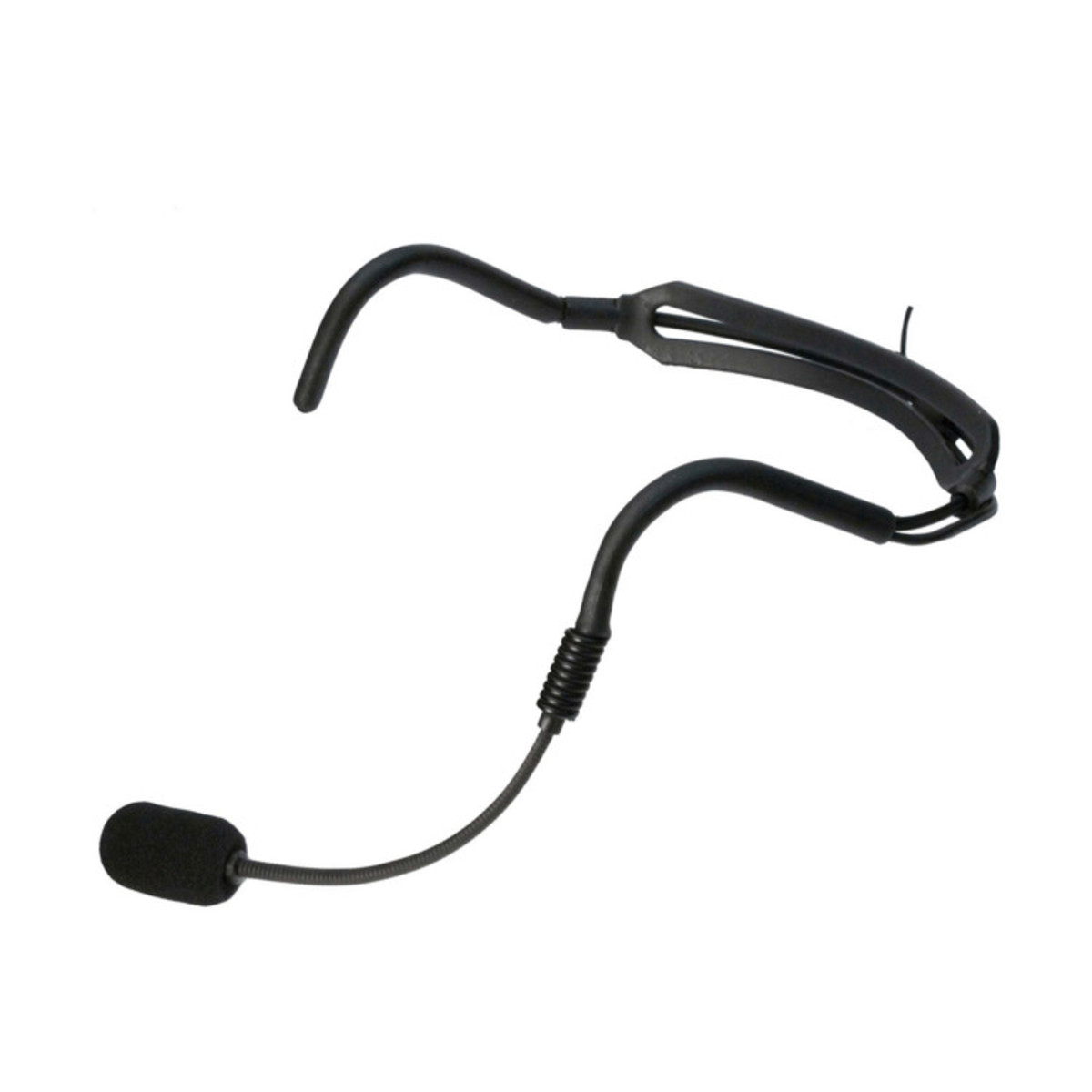
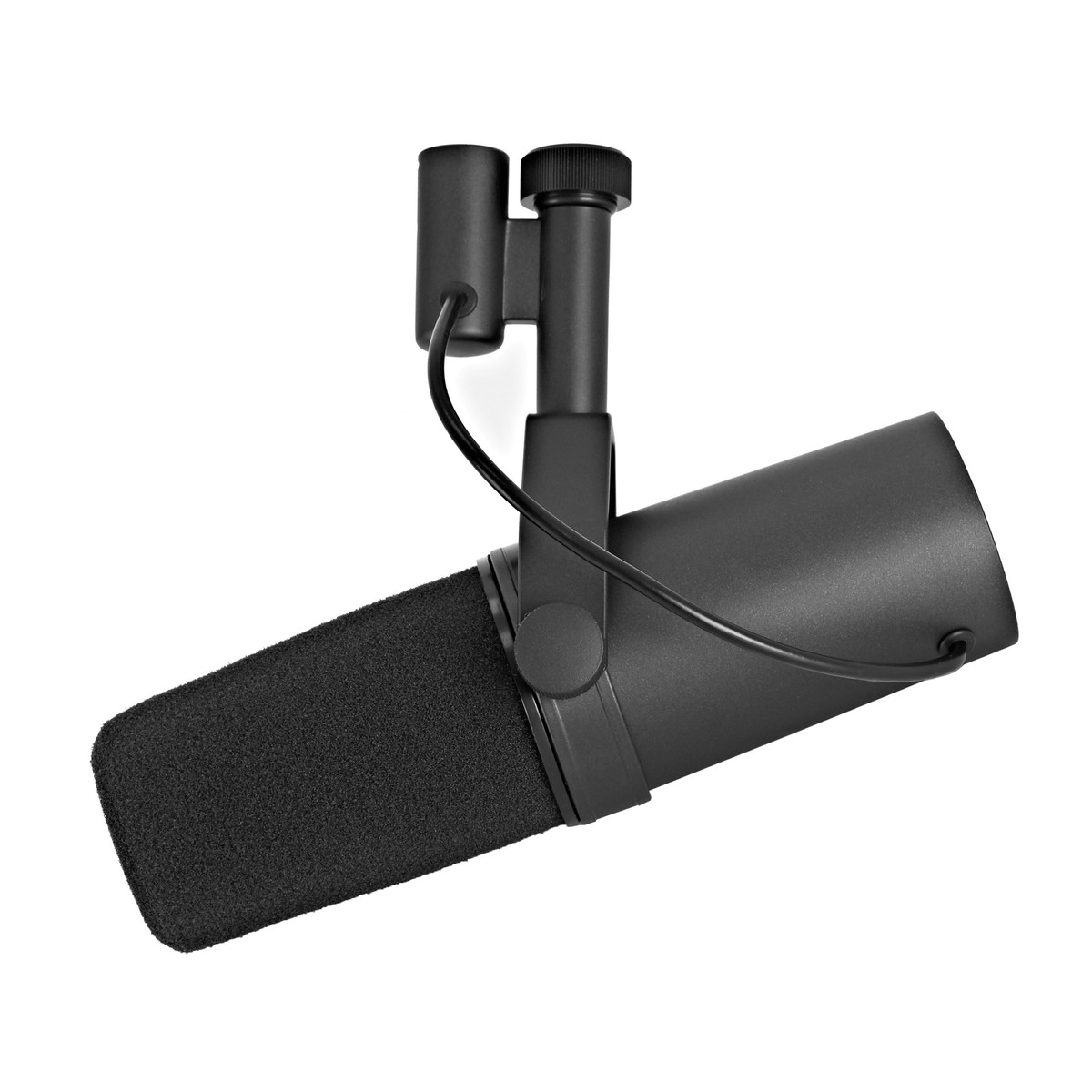
While dynamic microphones like the Shure SM7B are often preferred for specific broadcast vocal textures, the NT3 provides the increased sensitivity and frequency range typical of a condenser. For those requiring ultra-compact solutions, it differs significantly from small-diaphragm options like the Neumann KM 185 or headset condensers like the Audix HT2, offering a more traditional handheld or stand-mounted recording experience.
Related gear
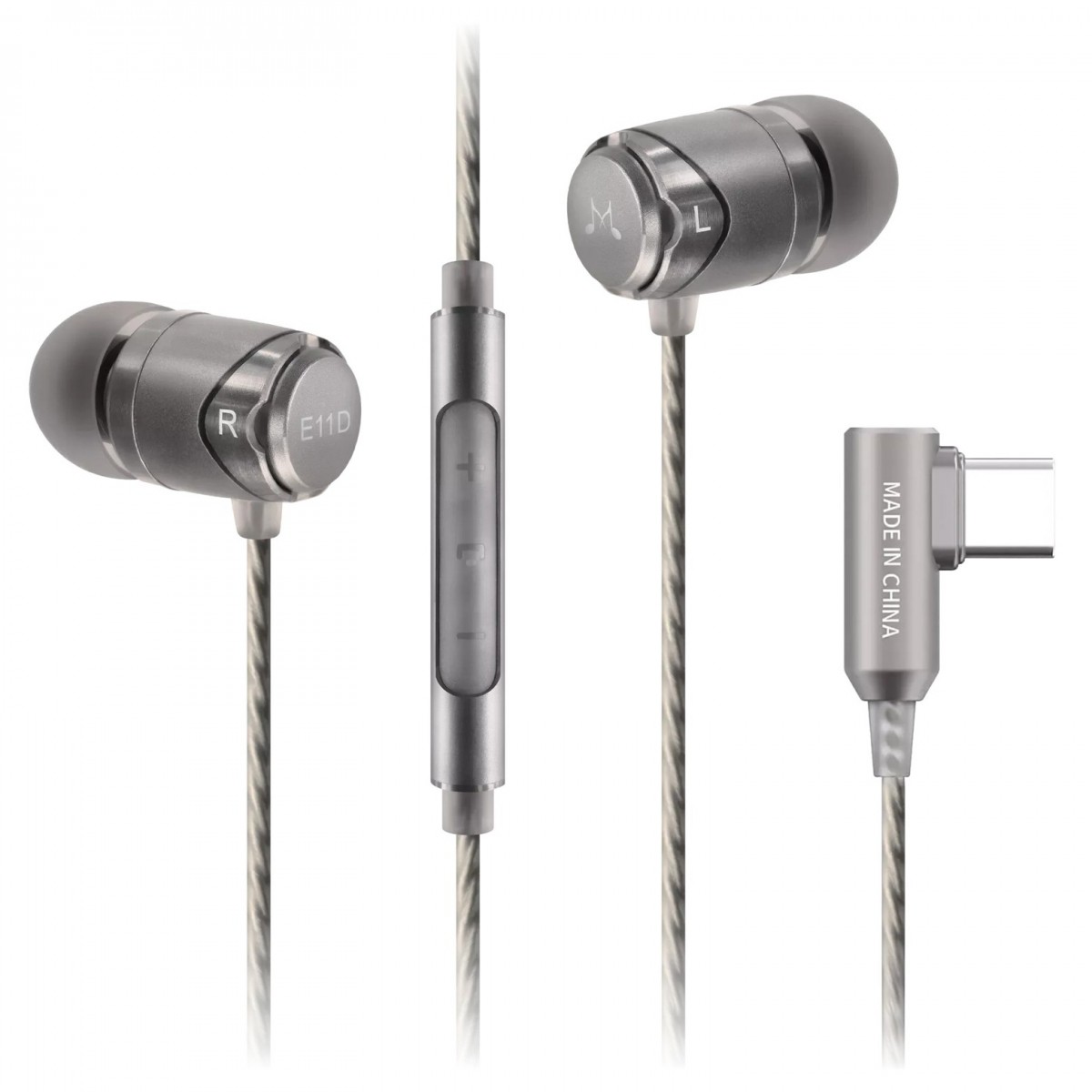 €47.01
SoundMagic
SoundMAGIC E11D In Ear Isolating USB-C Earphones with Mic Silver
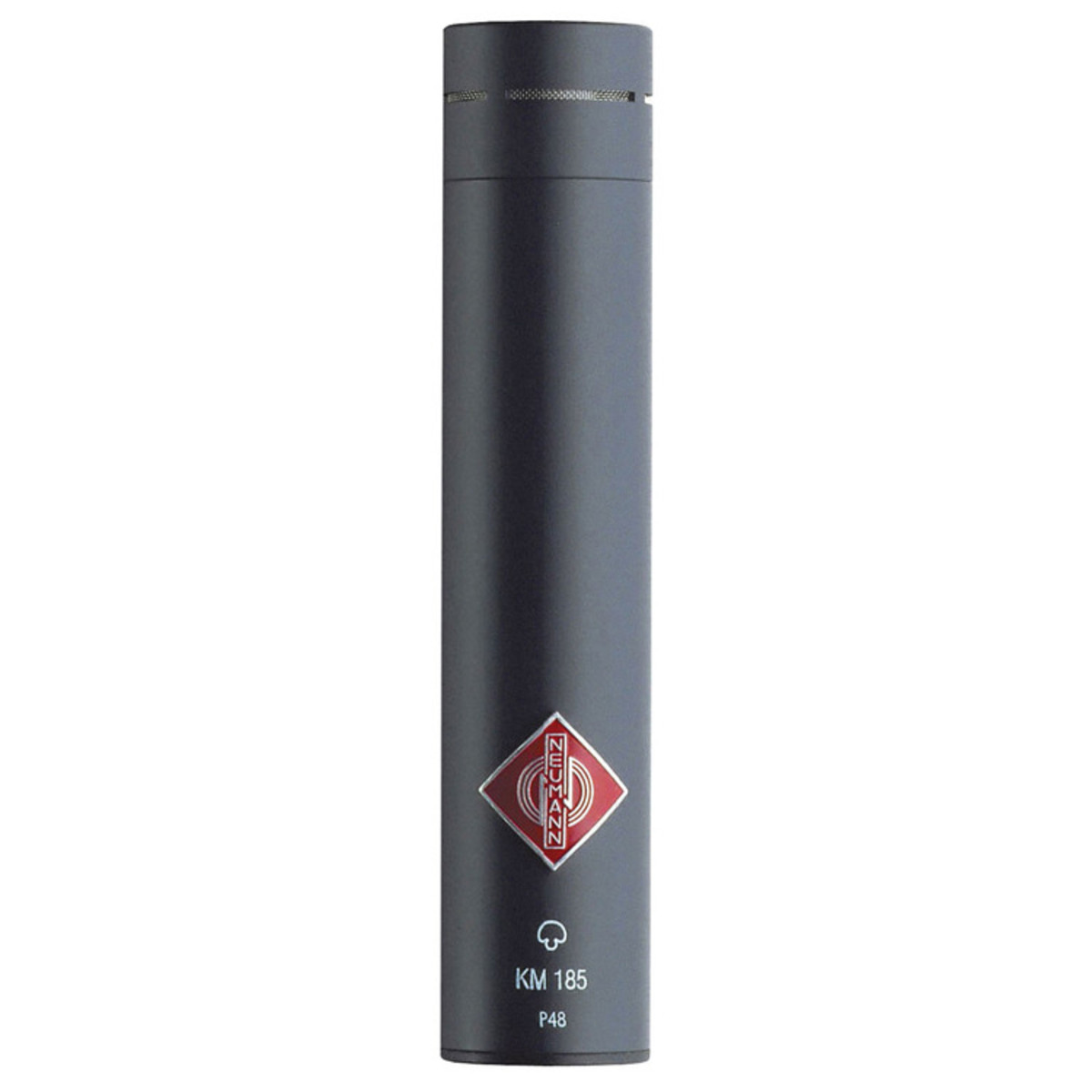 €834.06
Neumann
Neumann KM 185 MT Super-Cardioid Compact Condenser Mic Black
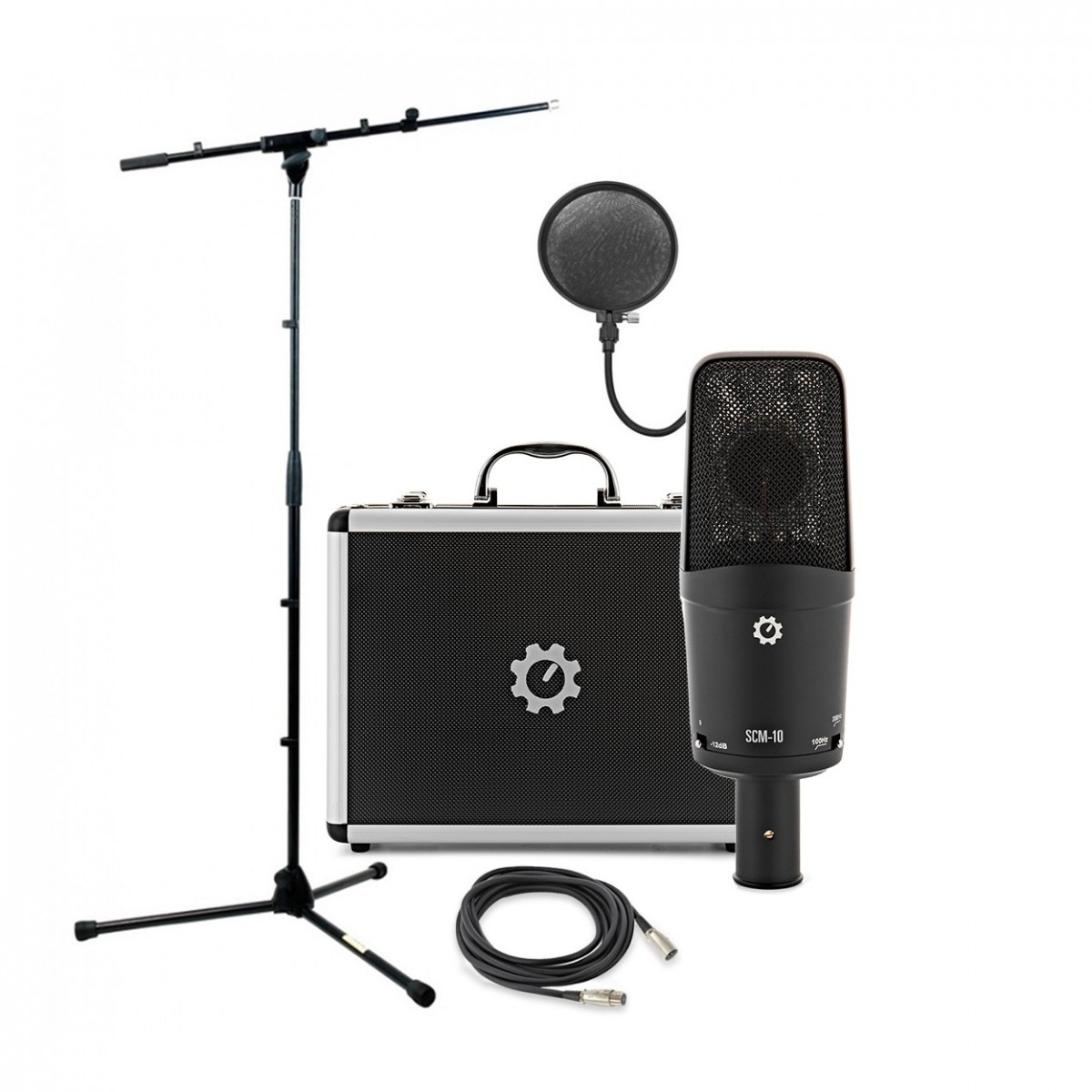 €152.86
G4M
G4M Studio Condenser Microphone Home Recording Pack
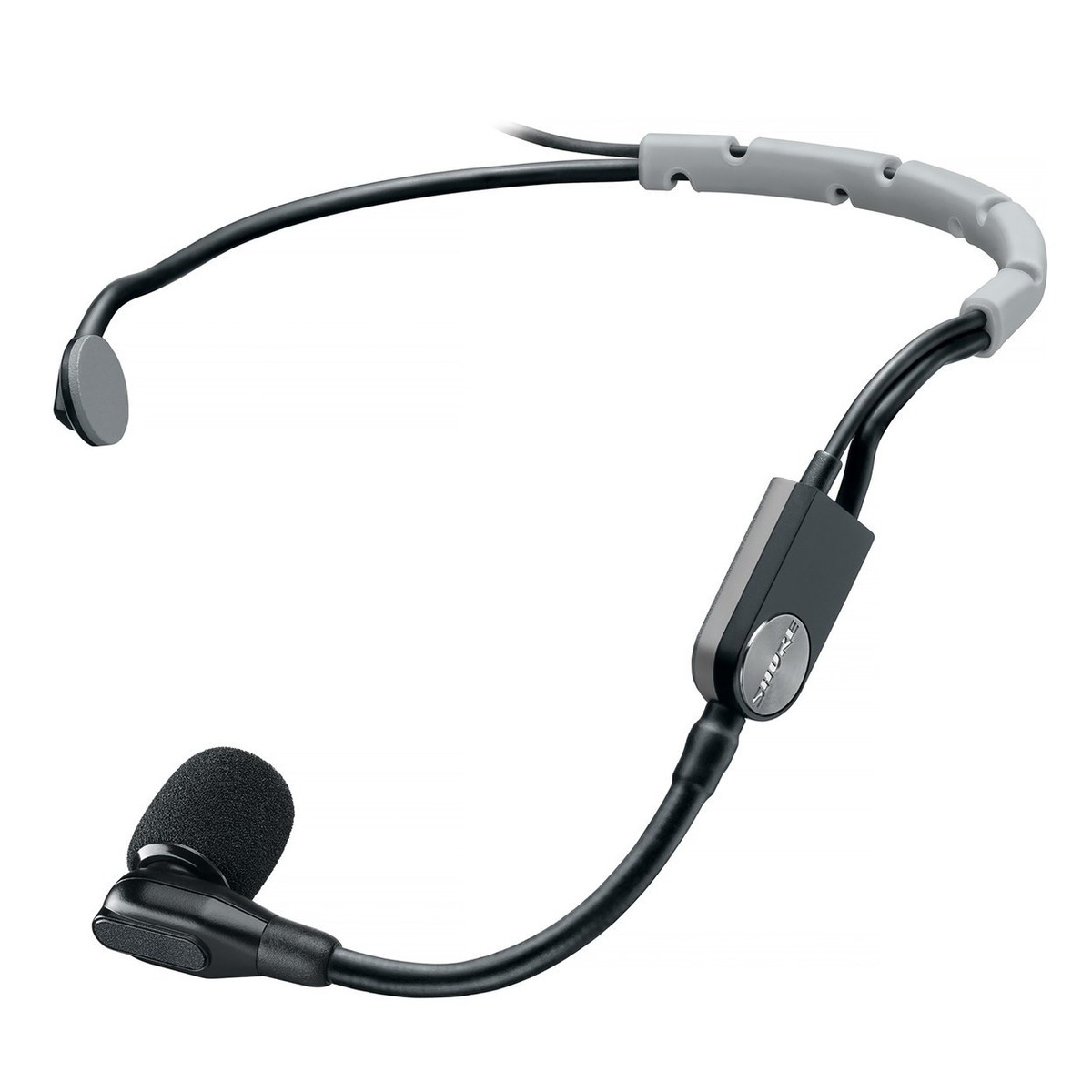 €288.10
Shure
Shure SM35-XLR Cardioid Condenser Headset Microphone
 €236.58
Audix
Audix HT2 Super Cardioid Headset Condenser Mic With 3 Pin Mini XLR
 €740.15
Neumann
Neumann TLM 102 Microphone Studio Set Black
 €1,305.37
Neumann
Neumann TLM 103 Studio Set Microphone Nickel
 €410.40
Shure
Shure SM7B Dynamic Studio Microphone
Frequently asked questions
- What is the capsule size of the Rode NT3?
- The Rode NT3 features a 3/4-inch cardioid condenser capsule.
- Can the Rode NT3 be used for live performances?
- Yes, the NT3 is designed for both studio work and live performances due to its rugged all-metal body and internal capsule shock mounting.
- What is the polar pattern of the NT3?
- The microphone uses a cardioid polar pattern, which provides exceptional off-axis rejection for a focused sound.
- Is the Rode NT3 suitable for recording drums?
- Yes, the NT3 is ideal for drums as it can handle high sound pressure levels (SPL) while retaining the original tonality.
- What material is the body of the NT3 made from?
- The NT3 is constructed with an all-metal body and a mesh grille head for maximum protection.
- How does the mesh grille affect the sound?
- The mesh grille helps to eliminate sibilance and plosive sounds, ensuring high sonic accuracy during recording.
- Does the Rode NT3 require phantom power?
- Yes, as a condenser microphone it requires power; however, it is designed for 'the road' and typically supports internal battery power as an alternative to 48V phantom power.
- Can the NT3 handle loud guitar amplifiers?
- Yes, the NT3 is specifically mentioned as being capable of handling high SPL, making it suitable for guitar amps.
- What is the typical price for a Rode NT3?
- The typical price range for the Rode NT3 is approximately £208.
- How does the NT3 handle mechanical noise?
- The microphone features an internal capsule shock-mounting system to reduce noise caused by handling or vibrations.
- Is the Rode NT3 better for vocals or instruments?
- The NT3 is considered a 'workhorse' mic suitable for both; it handles the high SPL of instruments like drums and amps while providing the detail needed for vocals.
- How does the NT3 compare to the Neumann TLM 103?
- The NT3 is a more affordable, ruggedized workhorse mic suited for both live and studio use, whereas the TLM 103 is a premium large-diaphragm condenser primarily focused on high-end studio vocal and instrument recording.
Sources
Last updated: