
Gear article
Rode MicDrop Lavalier Cable Weight
The Rode MicDrop is a specialised cable weight designed to facilitate the rapid and efficient positioning of lavalier microphones. By using gravity to pull the microphone cable through a subject's clothing, it allows for seamless connection to bodypack transmitters while maintaining a professional, concealed aesthetic.

Overview
The Rode MicDrop is a utilitarian accessory designed for audio engineers, videographers, and content creators who frequently work with lavalier microphones. Its primary purpose is to simplify the often cumbersome process of threading a microphone cable underneath a performer's clothing. By providing a weighted anchor at the end of the cable, the device ensures that the microphone lead drops straight down, allowing for a quick and clean setup.
Functionality and Workflow
The device operates on the simple principle of gravity. The user attaches the MicDrop to the microphone connector (typically a 3.5mm TRS or similar small-format connector) and allows it to fall through the subject's shirt or jacket. This eliminates the need for manual feeding or the use of makeshift weights like tape or coins. Once the cable has emerged at the bottom of the garment, the MicDrop is removed, and the cable is plugged into the bodypack transmitter. This workflow is particularly beneficial in high-pressure environments such as live news broadcasting or fast-paced film sets.
Design and Application
Constructed to be compact and unobtrusive, the MicDrop is designed to fit most standard lavalier microphone cables. Its smooth exterior prevents it from snagging on delicate fabrics, ensuring the safety of the subject's clothing. By streamlining the cable routing process, it assists in achieving a professional look where cables are completely concealed from the camera's view without requiring excessive physical contact between the technician and the talent.
Market Context and Alternatives
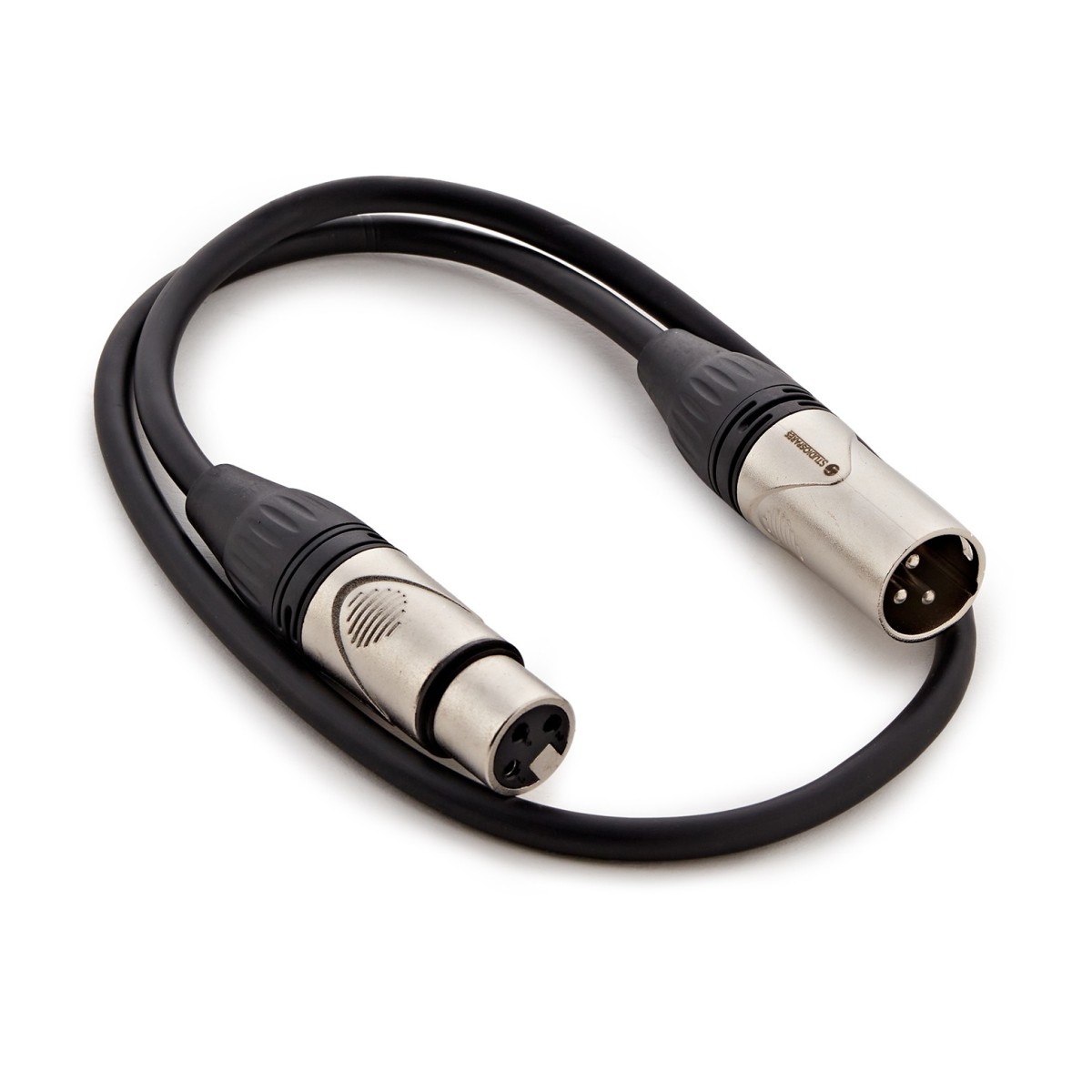
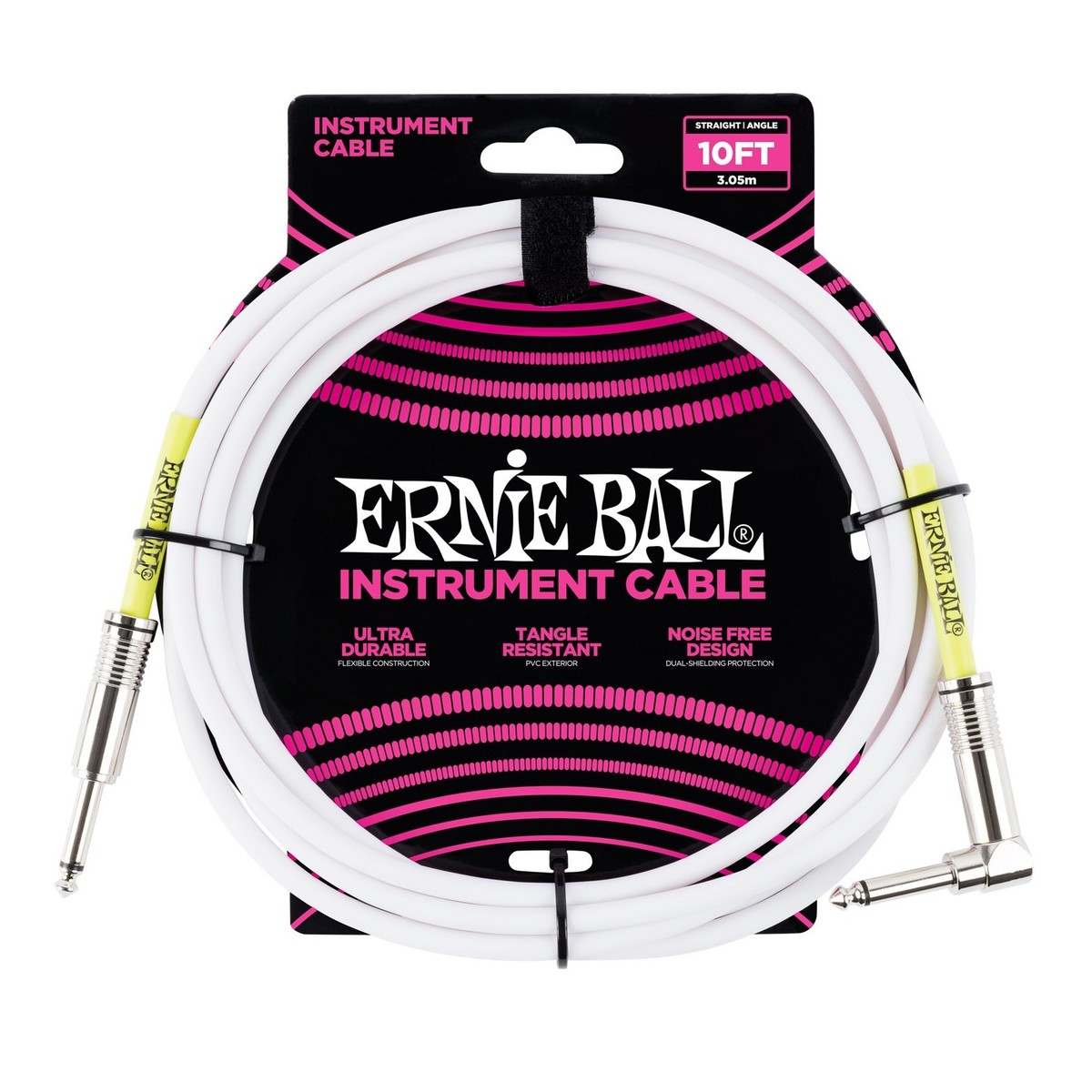
Within the broader category of audio cabling and accessories, the MicDrop occupies a niche role compared to standard signal cables. While products like the Ernie Ball P06049 Instrument Cable or Studiospares Standard XLR Cables provide the primary signal path for instruments and studio microphones, the MicDrop is a workflow enhancement tool. For users requiring longer runs for stationary setups, cables such as the Adam Hall 5 STAR DMX or Gear4Music Braided Pro Cable are appropriate, but for mobile, body-worn audio, the MicDrop remains a specific solution for the 'last mile' of setup.
Related gear
 €7.04
Studiospares
Studiospares Standard XLR (M) - XLR (F) Cable 60cm
 €20.66
Ernie Ball
Ernie Ball P06049 10ft Straight-Angle Instrument Cable White
 €37.63
LD Systems
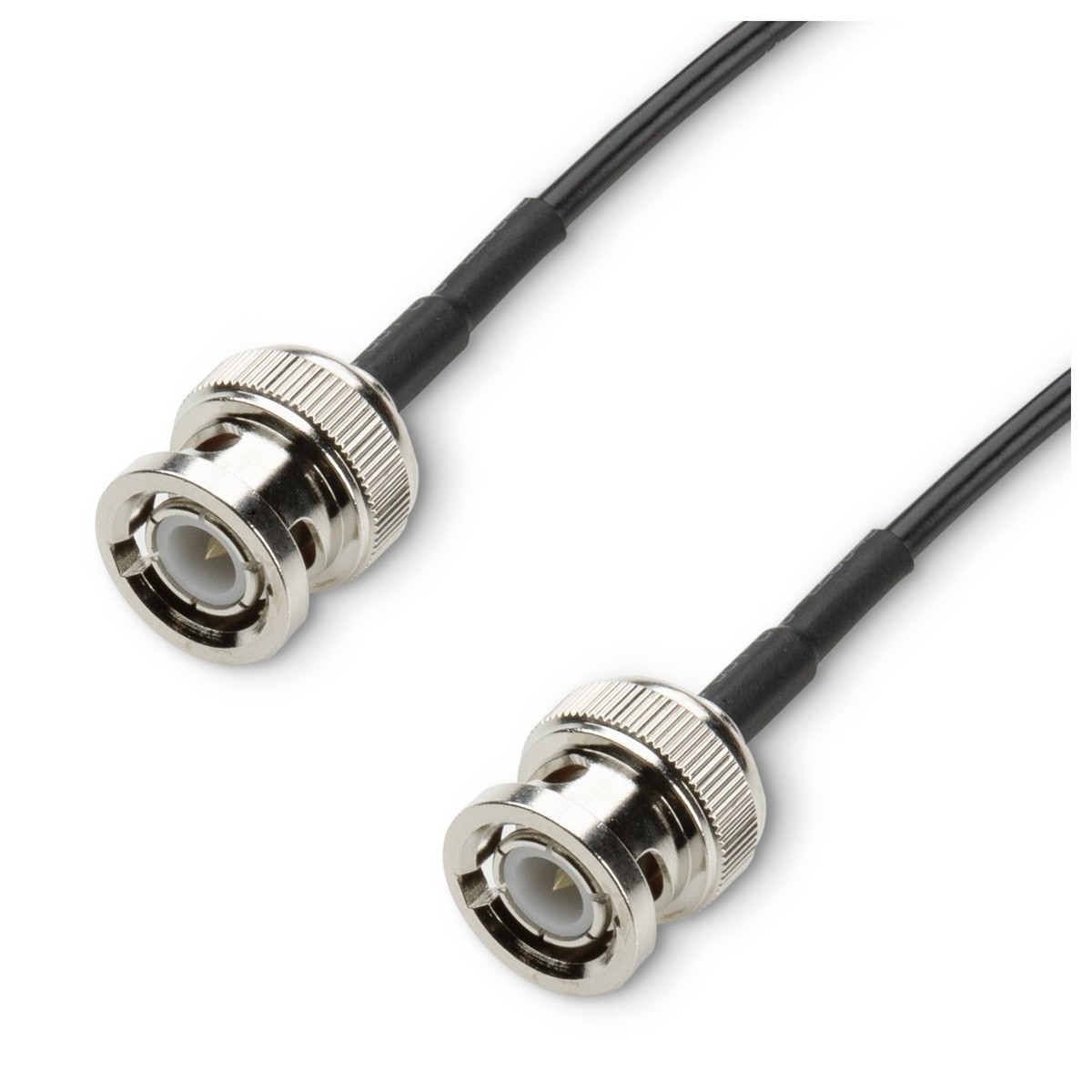
LD Systems WS100BNC10 BNC to BNC Antenna Cable 10m
 €5.87
Gear4Music
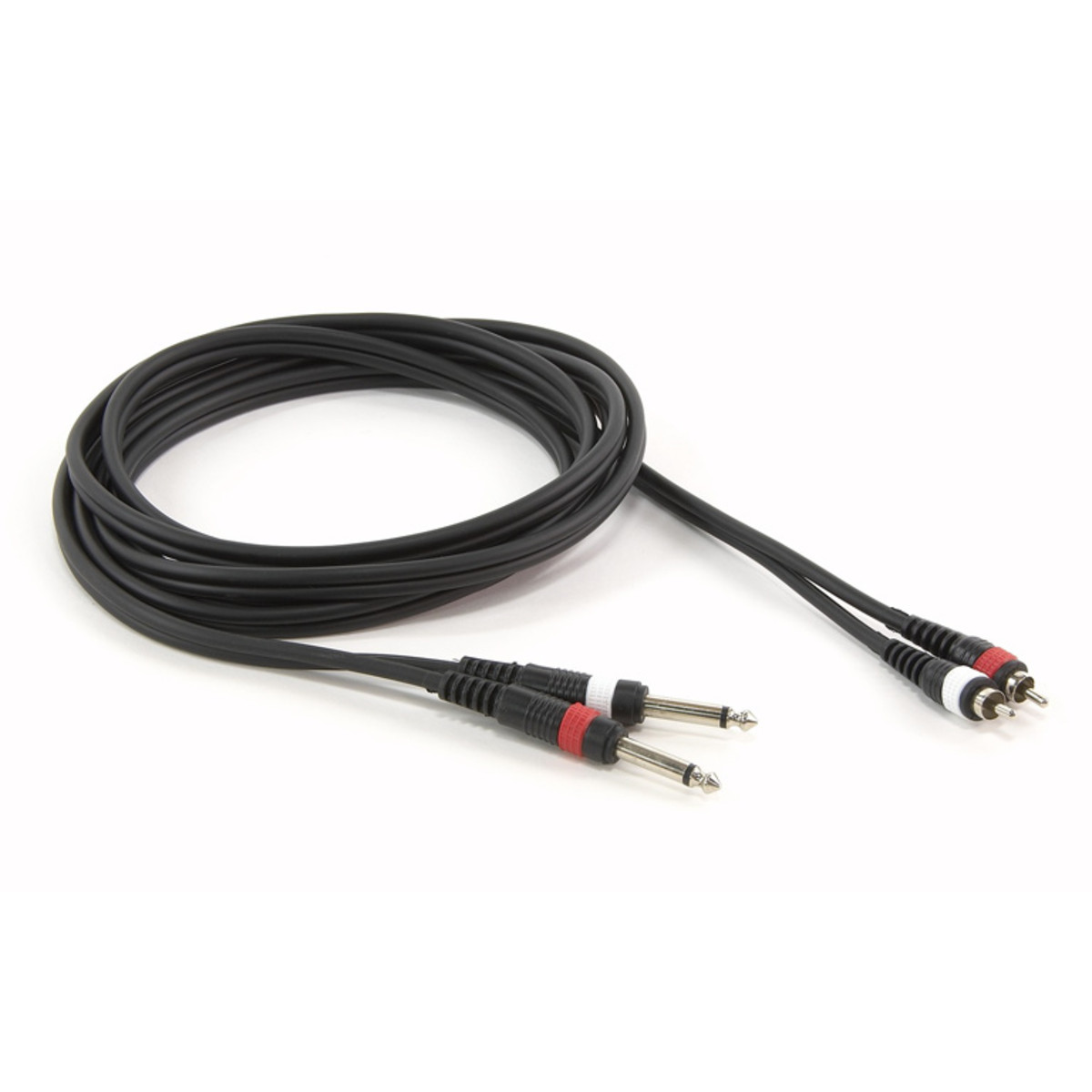
Essentials Dual Jack to RCA Phono Cable 3m
 €12.35
Neutrik
Neutrik NC3FRX Right-Angled 3-Pole Female XLR Connector
 €65.85
Adam Hall
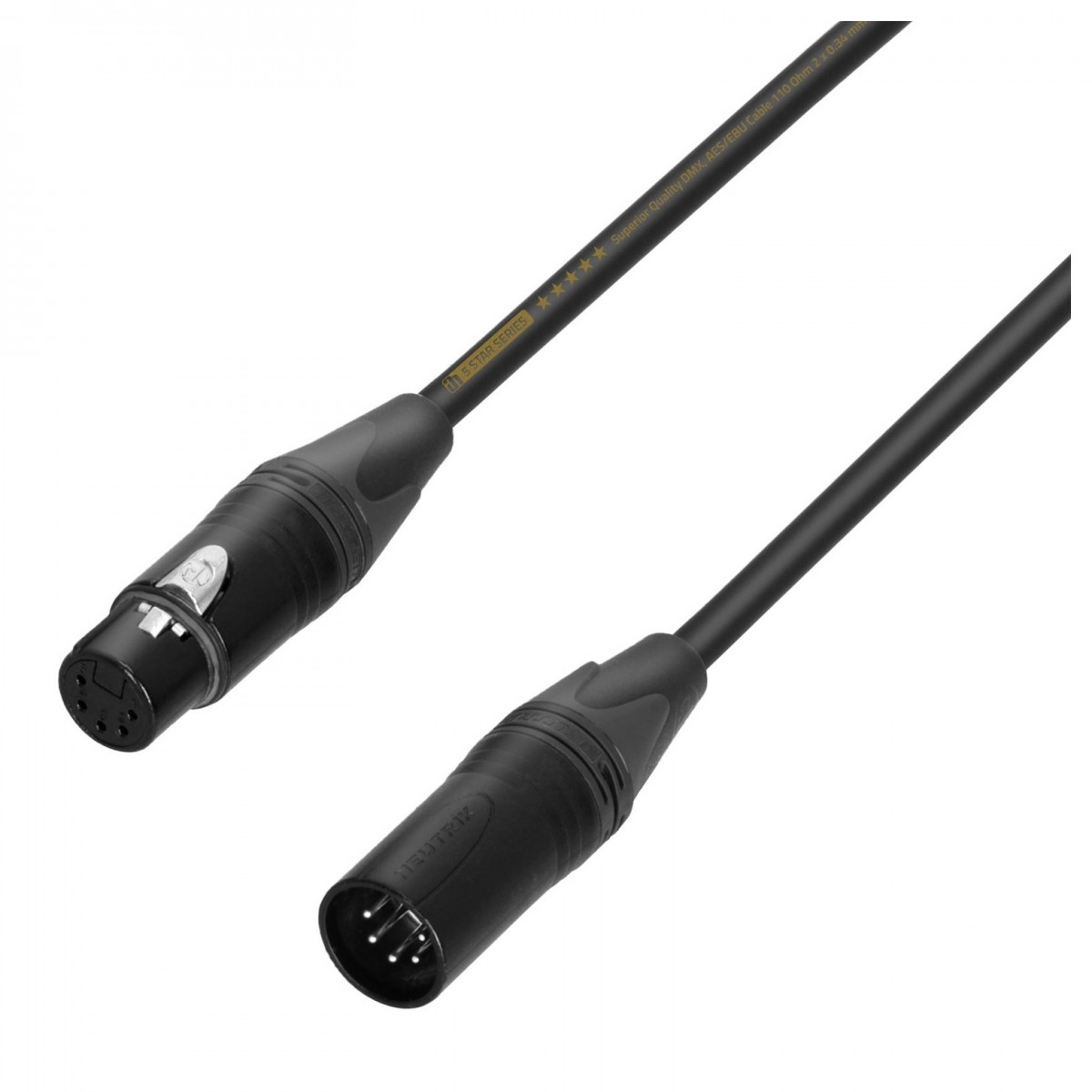
Adam Hall 5 STAR Neutrik DMX 5-Pin Lighting Cable 20m
 €5.87
Studiospares
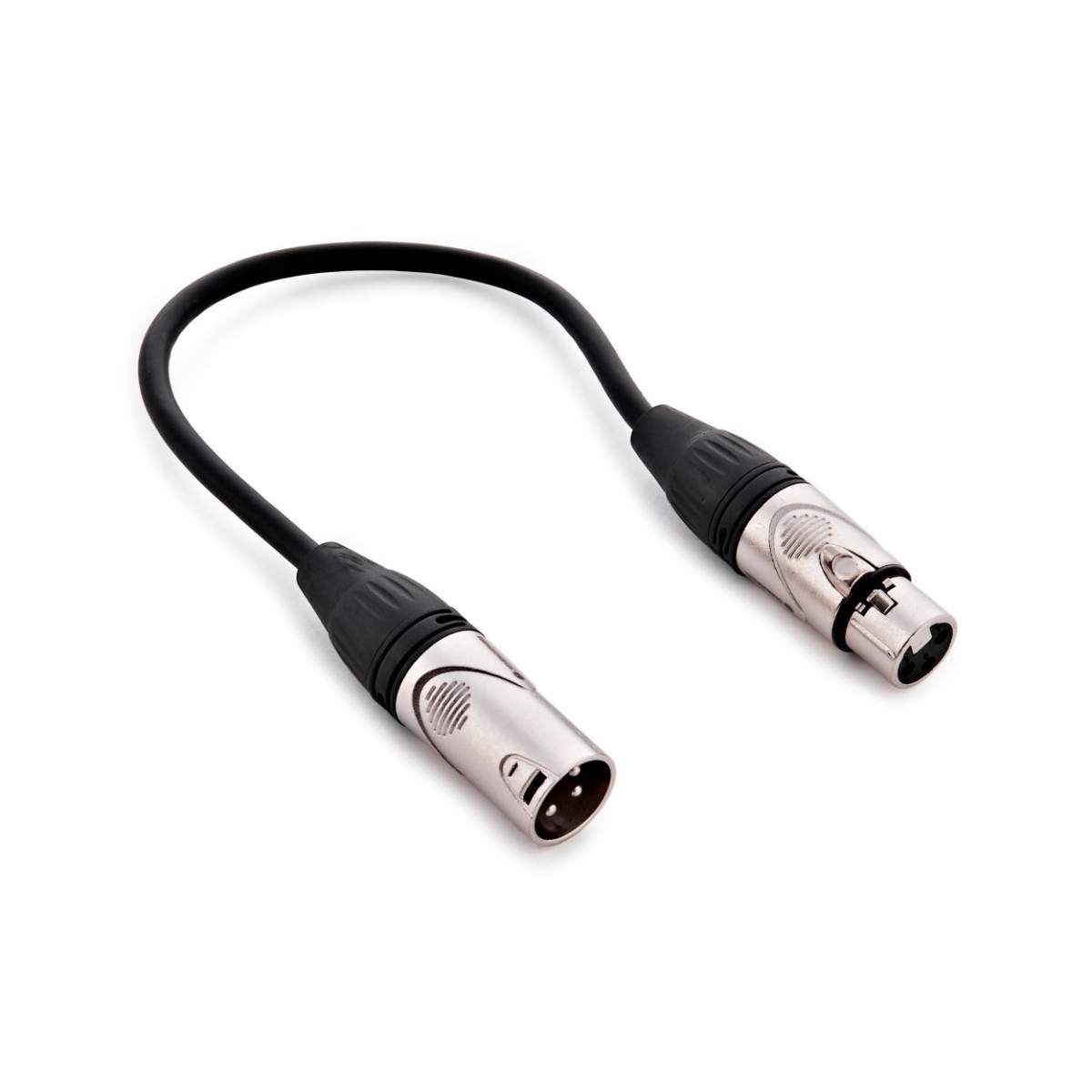
Studiospares Standard XLR (M) - XLR (F) Patch Cable 30cm
 €10.57
Gear4Music
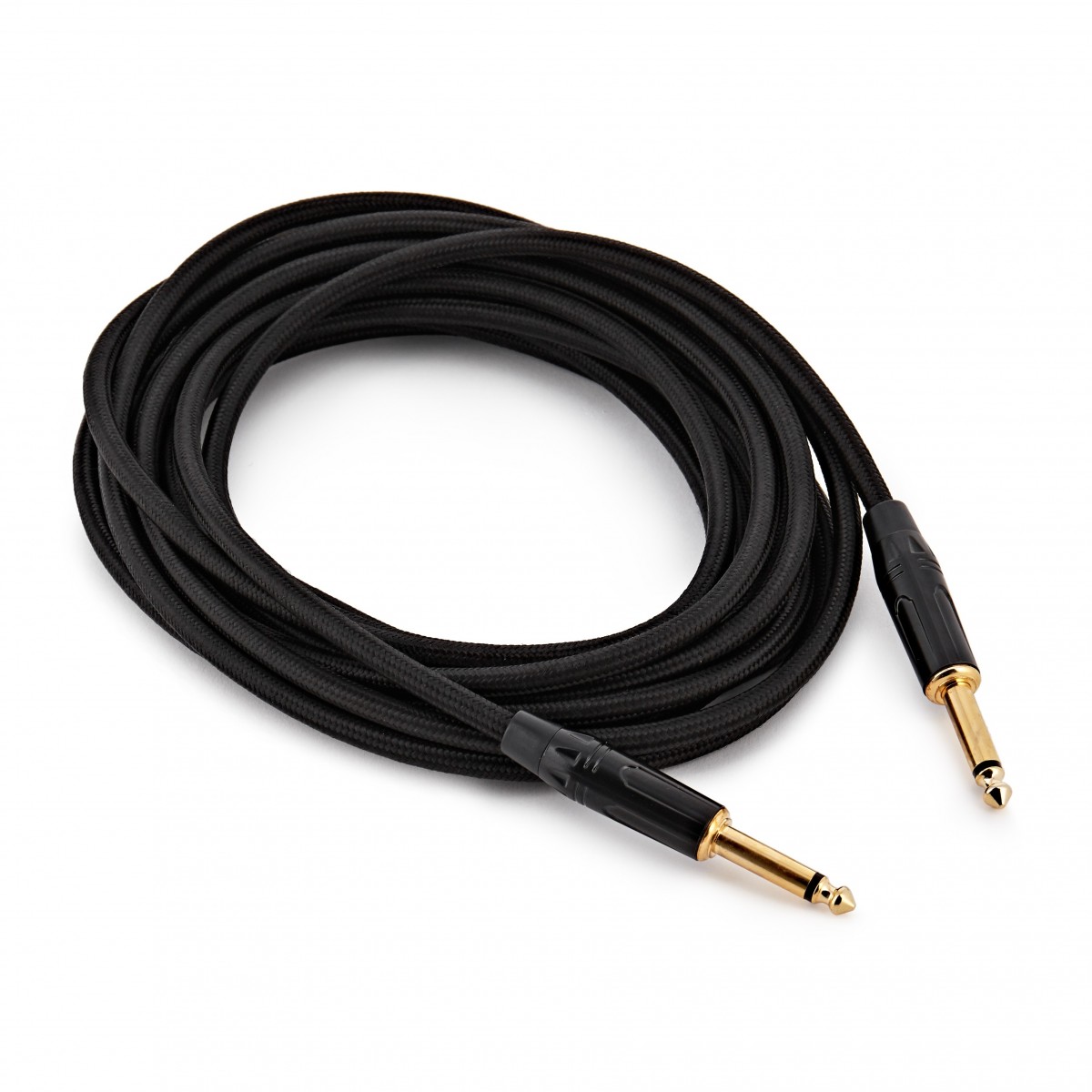
6.35mm TS Jack - 6.35mm TS Jack Braided Pro Cable 6m
Frequently asked questions
- What is the primary purpose of the Rode MicDrop?
- The Rode MicDrop is designed to act as a weight for lavalier microphone cables. It helps pull the cable through clothing using gravity, making it easier to route the microphone to a bodypack transmitter.
- Does the MicDrop improve the sound quality of the microphone?
- No, the MicDrop is a mechanical accessory and does not affect the electronic signal or sound character of the microphone. Its benefit is purely related to the speed and ease of the physical setup.
- Is the MicDrop compatible with all lavalier microphones?
- It is designed to work with most standard lavalier microphone connectors, particularly those used by Rode. Its design allows it to slide onto the connector end for easy threading.
- How does the MicDrop help with cable concealment?
- By weighting the cable, it allows the lead to fall vertically behind clothing without snagging or curling. This ensures the cable remains hidden from the camera, resulting in a more professional appearance.
- Can the MicDrop be used while the microphone is in use?
- Typically, the MicDrop is used only during the setup phase to route the cable. Once the cable is successfully threaded and connected to the transmitter, the weight is usually removed.
- What is the typical price for the Rode MicDrop?
- In the United Kingdom, the Rode MicDrop typically retails for approximately £20.00. This price point makes it an affordable utility for professional audio kits.
- Is the MicDrop a replacement for an XLR cable?
- No, the MicDrop is a tool for routing cables, not a cable itself. For standard audio connections, one would still use items like the Studiospares Standard XLR (M) - XLR (F) Cable.
- What material is the MicDrop made from?
- While the manufacturer does not specify the exact alloy, it is a dense, smooth-finished metal weight. The finish is designed to be non-abrasive so it does not damage clothing during the drop.
- Is the MicDrop suitable for live broadcast environments?
- Yes, it is specifically designed for environments where time is critical. It allows sound technicians to mic up talent quickly and with minimal intrusion, which is ideal for live television.
- Can I use the MicDrop with instrument cables like the Ernie Ball P06049?
- The MicDrop is specifically designed for the small diameters of lavalier microphone cables. It is not intended for use with larger diameter instrument cables or XLR cables.
- How does this compare to using a piece of tape or a coin?
- While makeshift solutions can work, the MicDrop is purpose-built with a smooth shape to avoid snagging. It is more reliable and professional than using adhesive tape, which can leave residue on cables or clothing.
- Does the MicDrop require any batteries or power?
- No, the MicDrop is a purely passive mechanical accessory. It relies entirely on gravity to perform its function and requires no power source or electronic configuration.
Sources
Last updated: