Gear article
Pittsburgh Modular Taiga Keyboard Synthesizer
The Pittsburgh Modular Taiga Keyboard Synthesizer is a fully patchable, semi-modular analogue instrument developed by the Pennsylvania-based research and development team. It expands upon the original Taiga desktop design by incorporating a 37-note aftertouch-equipped keybed and a dedicated modular expansion bay for custom configurations.

Background and Design
The Taiga Keyboard is an evolution of Pittsburgh Modular's desktop synthesisers, designed to provide a more traditional performance interface for their innovative analogue circuitry. Developed in Pennsylvania, the instrument bridges the gap between fixed-architecture keyboards and Eurorack modular systems. It retains the core architecture of the original Taiga while adding professional-grade performance controls, specifically targeting musicians who require tactile expression alongside complex sound design capabilities.
Technical Architecture
At its core, the Taiga Keyboard is a semi-modular synthesiser, meaning it features an internal signal path that works without patches, but allows for complete rerouting via a series of 3.5mm patch points. A defining hardware feature of this version is the inclusion of a 37-note full-sized keyboard that supports aftertouch, providing dynamic control over modulation parameters during play. Furthermore, the unit includes a unique modular expansion bay, allowing users to integrate additional Eurorack modules directly into the keyboard chassis.
Sound Character and Features
The instrument is characterised by its modern analogue circuitry, which offers a versatile palette ranging from traditional subtractive tones to complex, cross-modulated textures. The integration of additional modulation options in the keyboard version enhances its ability to produce evolving timbres. Because the components can be used as separate modules, the Taiga Keyboard can function as the brain of a larger studio setup, interfacing with external gear or processing external audio through its internal signal path.
Market Comparison
The Taiga Keyboard occupies a unique space in the market. While entry-level semi-modular units like the Behringer Neutron offer patchability at a lower price point, they lack the full-sized keybed and expansion capabilities of the Taiga. In contrast to high-end polyphonic instruments like the Oberheim OB-X8 Desktop, the Taiga focuses on monophonic/paraphonic modular flexibility. It provides a more tactile and patch-focused experience than digital alternatives like the Yamaha MX49 II or the Yamaha YDS-150, making it suitable for synthesists who prioritise analogue signal paths and physical modular connectivity.
Related gear
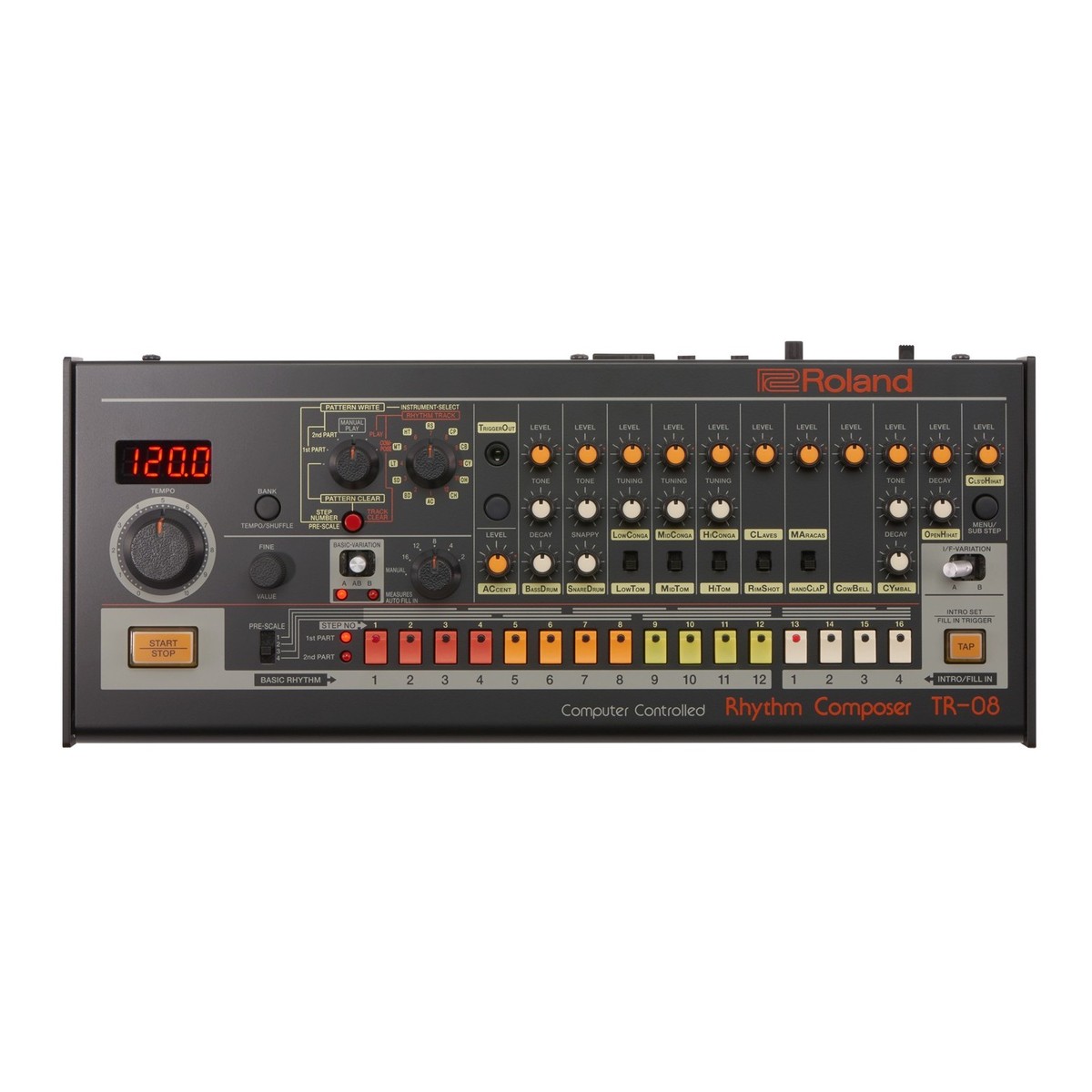 €439.80
Roland
Roland Boutique TR-08 Rhythm Composer Drum Machine
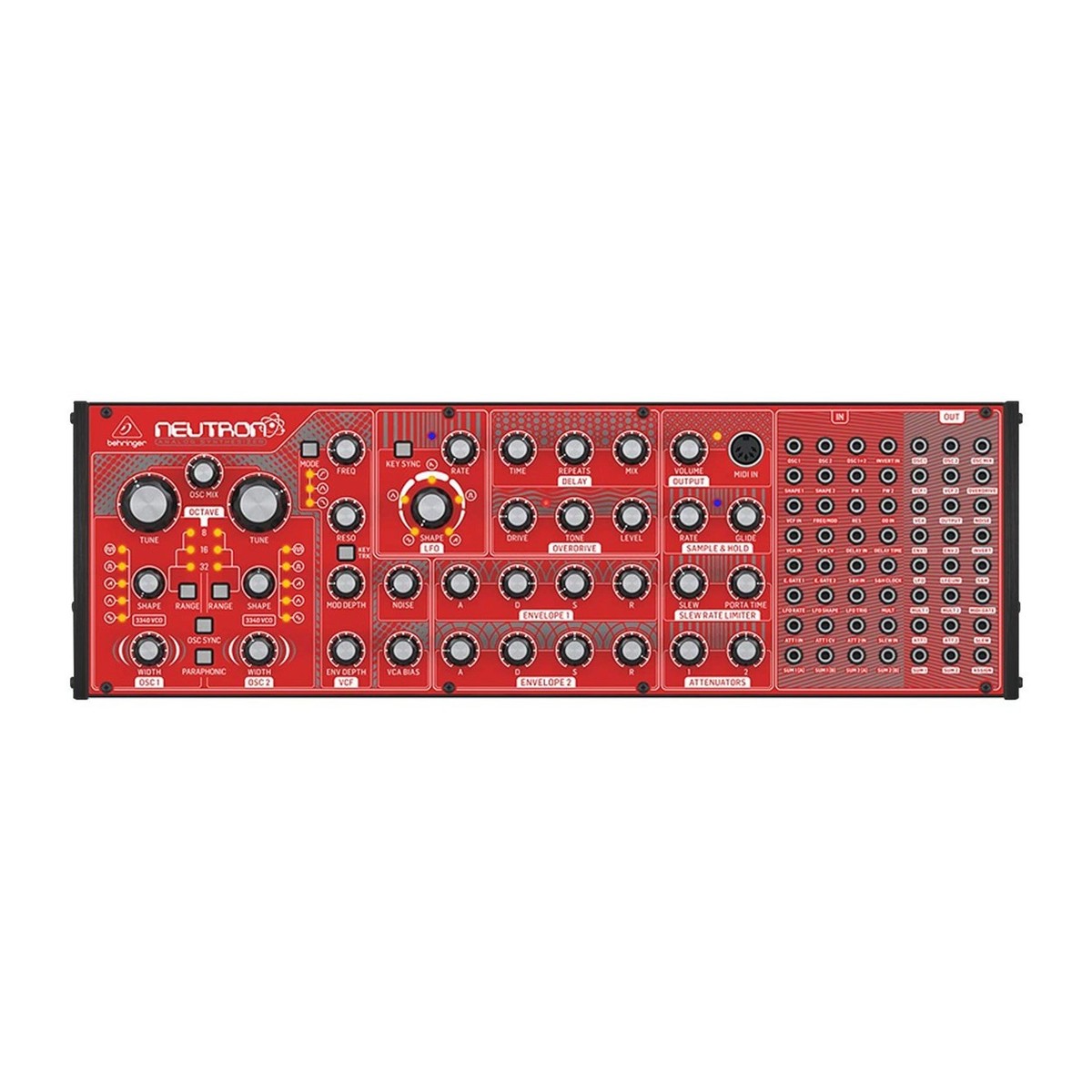 €331.02
Behringer
Behringer Neutron Semi-Modular Synthesizer
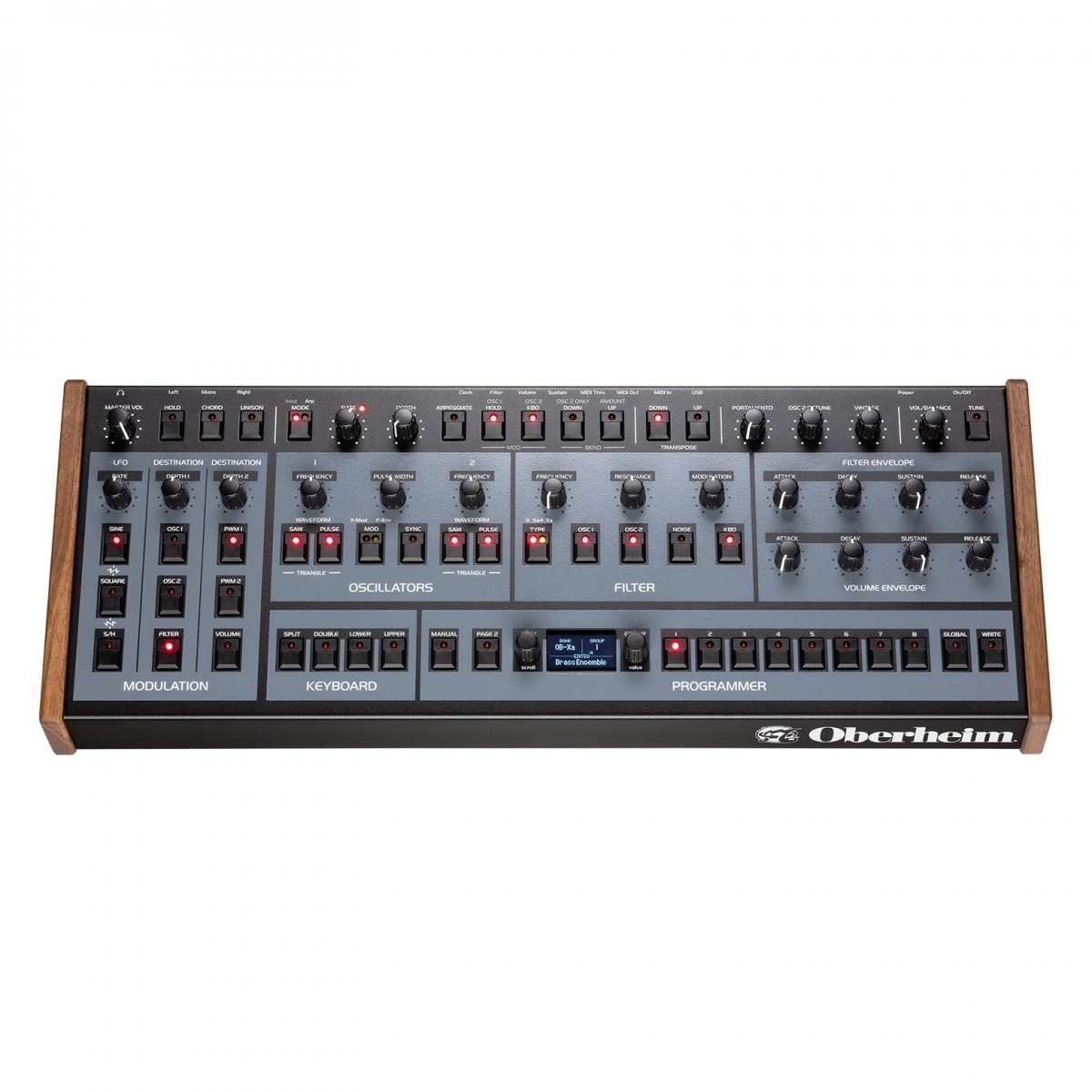 €4,350.91
Oberheim
Oberheim OB-X8 Analog Synthesizer Desktop Module
 €619.72
Yamaha
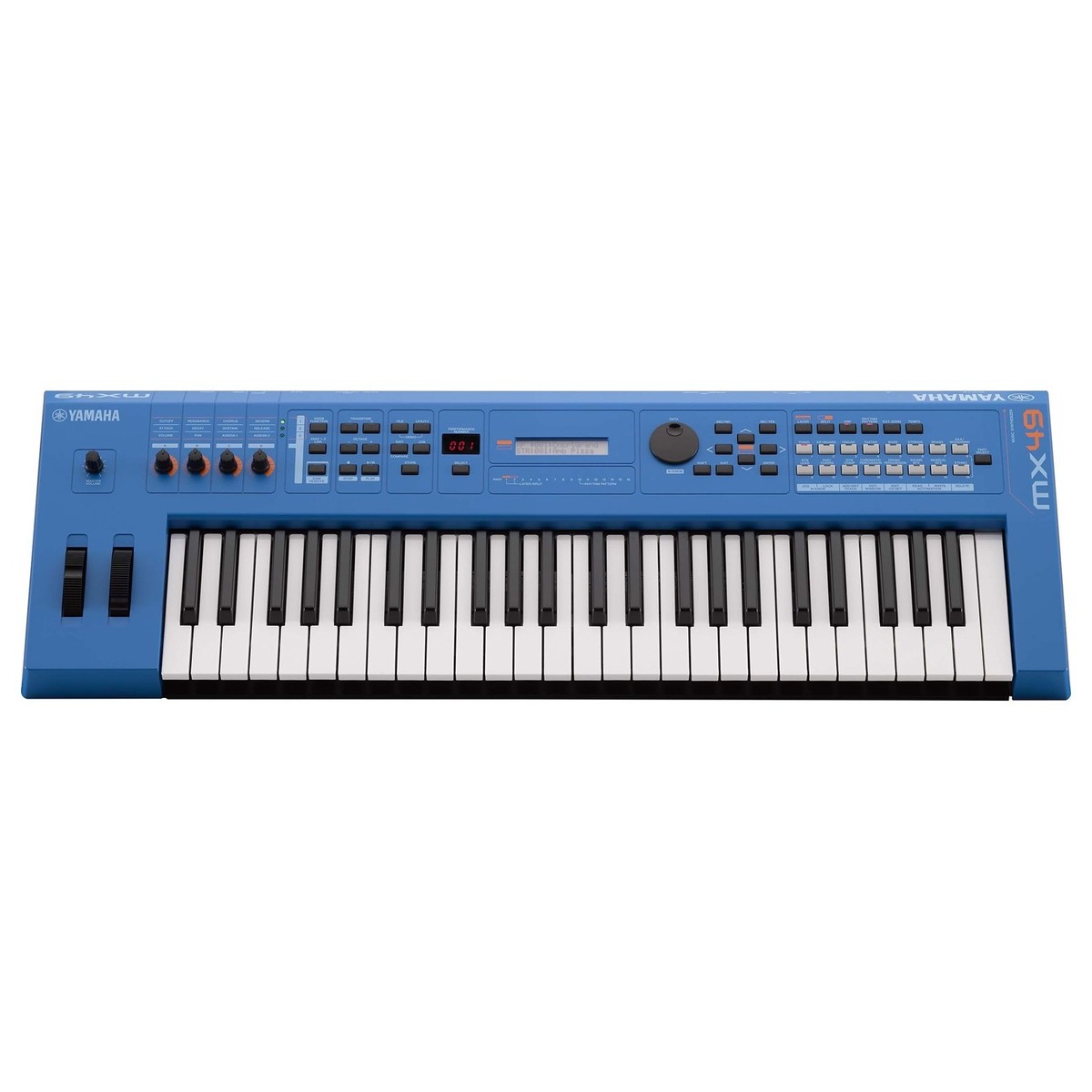
Yamaha MX49 II Music Production Synthesizer Blue
 €146.99
Electro Harmonix
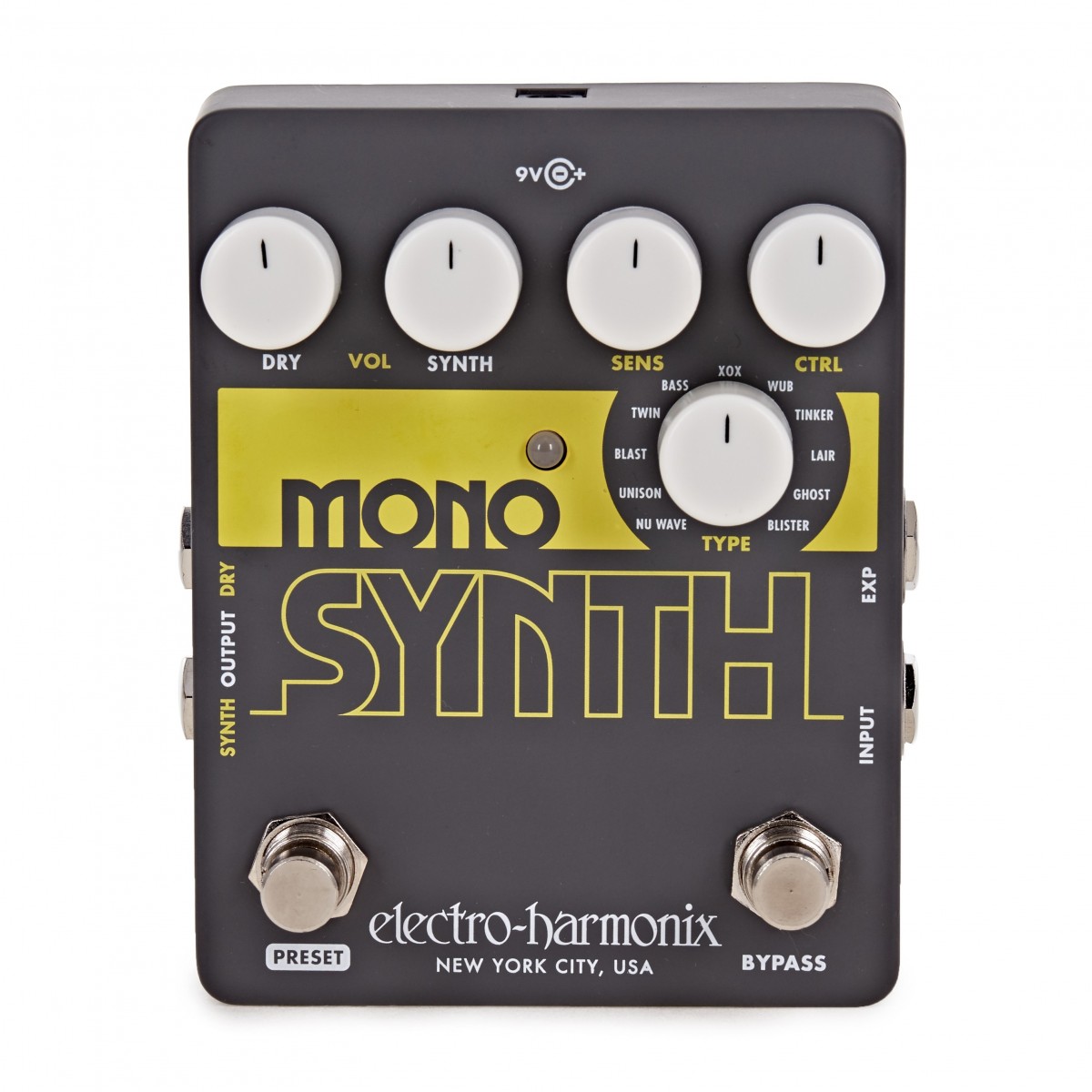
Electro Harmonix Mono Synth Guitar Synthesizer
 €2,643.12
Viscount Organs
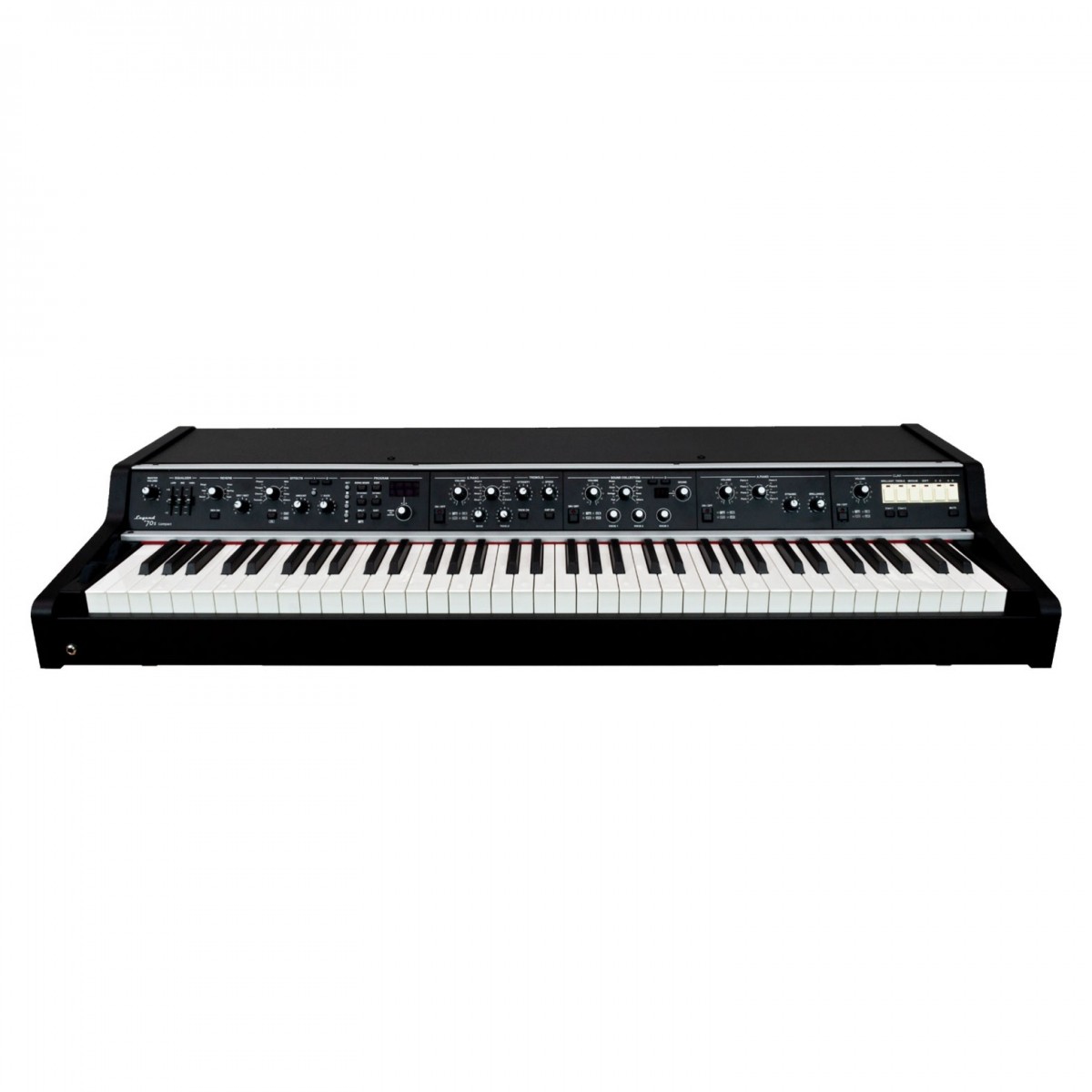
Viscount Legend 70s Compact EX Modular Stage Piano
 €759.42
Yamaha
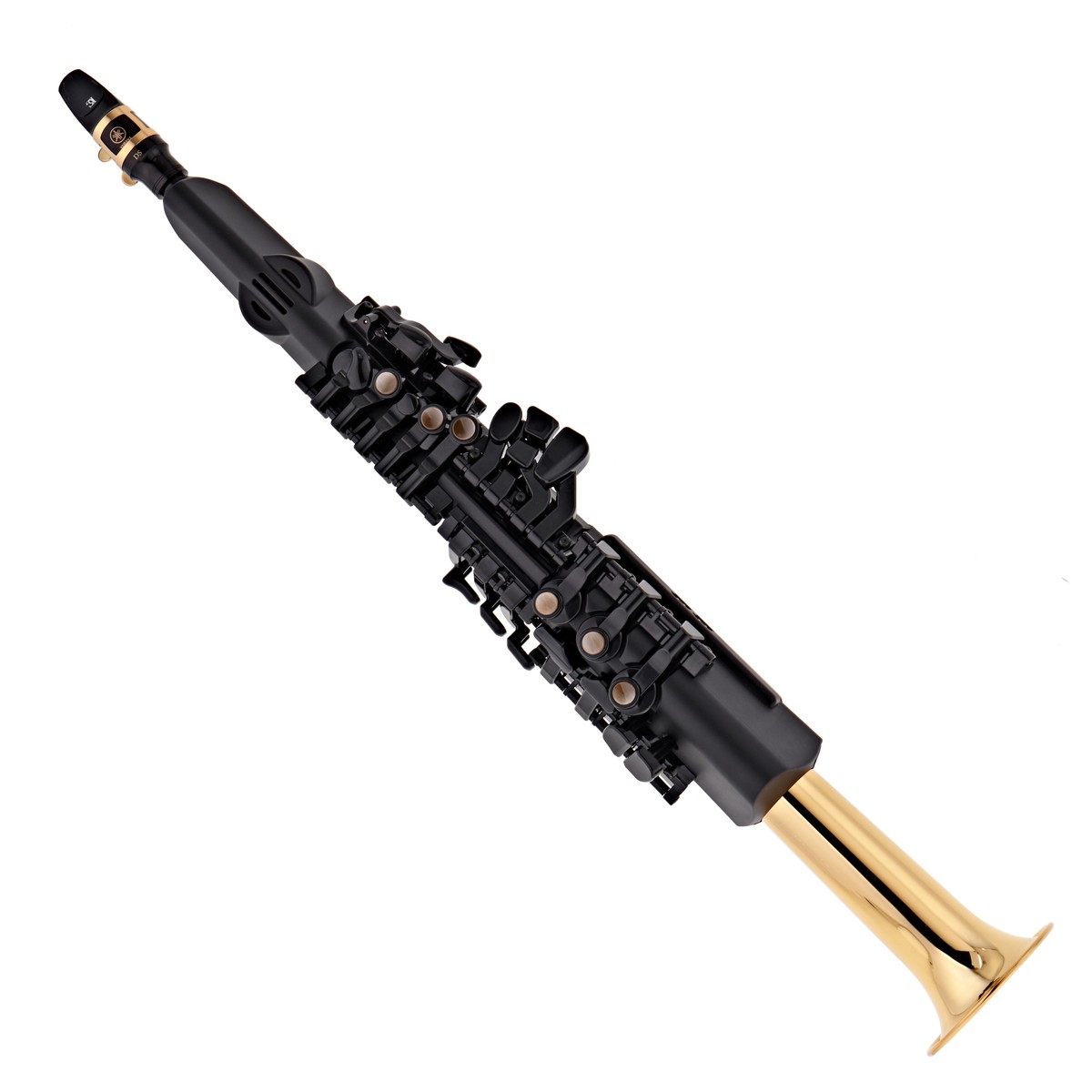
Yamaha YDS 150 Digital Wind Synthesizer
 €587.95
Gear4Music
modul Modular Complete Studio System Black
Frequently asked questions
- What type of keys does the Pittsburgh Modular Taiga Keyboard have?
- The synthesiser features a 37-note full-sized keybed. It is equipped with aftertouch to allow for expressive control over sound parameters while playing.
- Is the Taiga Keyboard fully patchable?
- Yes, it is a fully patchable instrument. This allows the user to reroute internal signal paths or use individual components as separate modules with external equipment.
- Does the Taiga Keyboard include a modular expansion bay?
- Yes, one of the primary additions to this model is a unique modular expansion bay. This allows users to add extra modules to customise the synthesiser's capabilities.
- Where is Pittsburgh Modular based?
- Pittsburgh Modular is an analogue synthesiser research and development team based in Pennsylvania, USA.
- How does the Taiga Keyboard differ from the original Taiga desktop?
- The keyboard version adds a 37-note aftertouch keybed, additional modulation options, and a modular expansion bay. It is designed for a more performance-oriented workflow.
- Can I use the Taiga Keyboard with external gear?
- Absolutely. Its fully patchable nature means you can interface it with Eurorack systems, external sequencers, or other analogue hardware.
- What is the typical price for the Taiga Keyboard?
- The typical price range for this instrument is approximately £1,420. This reflects its position as a professional-grade analogue instrument.
- Is the Taiga Keyboard suitable for live performance?
- Yes, the inclusion of a full-sized 37-note keybed with aftertouch makes it highly suitable for live playing. The integrated design reduces the need for external MIDI controllers.
- Does it require patch cables to produce sound?
- As a semi-modular synthesiser, it has a default internal signal path. You can produce sound without cables, though patching is required to unlock its full creative potential.
- How many notes does the keyboard have?
- The keyboard features 37 notes, providing a three-octave range for melodic performance. The keys are full-sized rather than mini-keys.
- What kind of sound engine does it use?
- It uses a modern analogue engine developed by Pittsburgh Modular. It is designed to offer innovative sounds beyond standard vintage clones.
- Can the Taiga Keyboard be used as a controller?
- While primarily a synthesiser, its 37-note keybed and patching options allow it to act as a hub for controlling other modular components. The aftertouch capability adds significant utility for controlling external modules.
Sources
Last updated: