
Gear article
MXR M267 Octavio Fuzz
The MXR M267 Octavio Fuzz is a guitar effects pedal designed to replicate the legendary octave-up fuzz tones pioneered by Jimi Hendrix. It combines a potent fuzz circuit with upper harmonic generation to create searing, synth-like lead textures and touch-responsive clipping.

Background and Heritage
The MXR M267 Octavio Fuzz is rooted in a significant moment in rock history, drawing its inspiration from the specific circuits used by Jimi Hendrix. Originally designed to push the boundaries of tonal tradition, the Octavio circuit became famous for its ability to produce a 'doubling' effect an octave above the original note, blended with heavy saturation.
While the original units were housed in distinctive 'cheese wedge' enclosures, the M267 brings this specific circuit into the standard MXR housing, making it more accessible for modern pedalboards while retaining the vintage sonic characteristics that defined the late 1960s psychedelic rock sound.
Core Functionality and Features
The pedal operates by adding a potent wash of upper harmonics to a foundational fuzz sound. The primary controls are simple, typically consisting of 'Output' to manage volume and 'Fuzz' to dictate the intensity of the saturation.
One of the most notable features of the M267 is its touch-responsive nature. The circuit reacts dynamically to the player's input; aggressive picking produces a sharper, more destructive clipping, while a lighter touch results in a smoother response. This sensitivity allows the player to manipulate the frequency content and gain levels directly from their guitar's volume knob and their own playing technique.
Sound Character
The sonic signature of the M267 is defined by its searing, synth-like lead tones. Unlike standard fuzz pedals that focus solely on clipping the waveform, the Octavio adds a distinct frequency doubling that is most prominent when playing above the 12th fret on the guitar neck.
At high gain settings, the pedal creates a thick, harmonically rich texture described as 'tearing the seams of tonal tradition.' When used with the neck pickup and the tone rolled off, the octave effect becomes more pronounced, resulting in a flute-like or ring-modulated quality that is synonymous with classic rock solos.
Target Audience and Comparisons
While traditionally associated with lead guitarists seeking the 'Hendrix sound,' the M267 has been adopted by players across various genres, including doom metal and straight-up rock. Its versatility lies in its ability to act as both a chaotic noise generator and a nuanced, expressive gain stage.
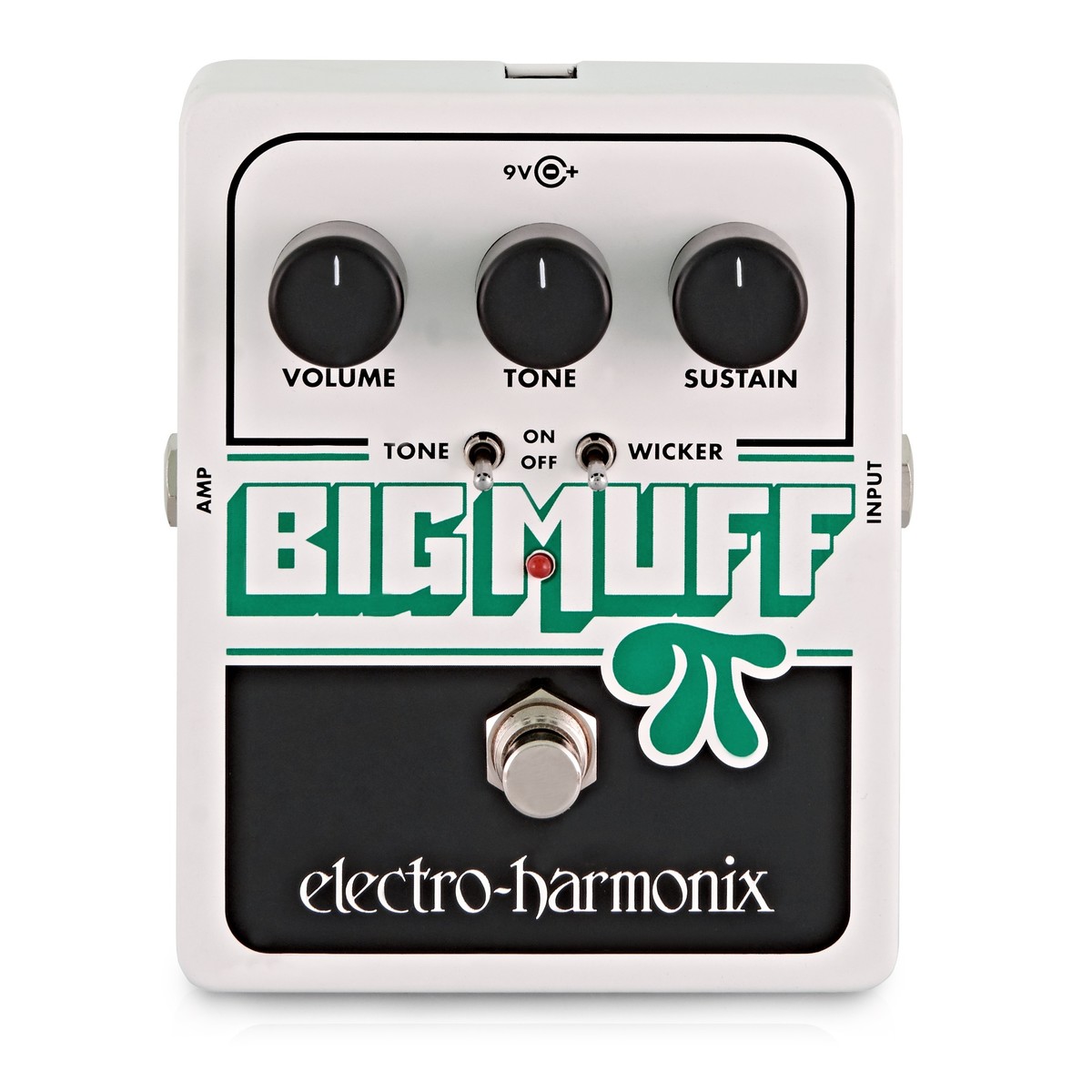
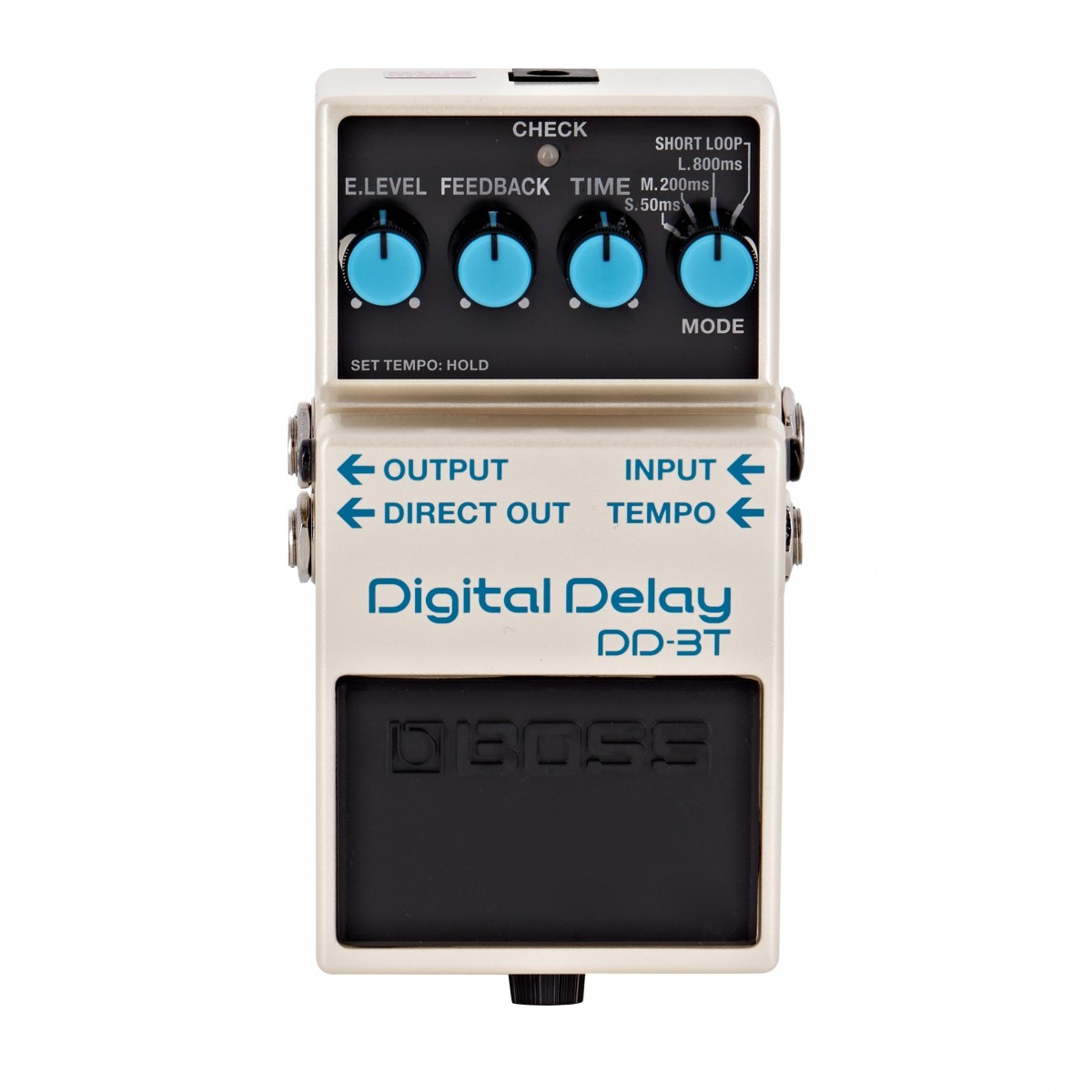
Compared to alternatives like the Electro-Harmonix Big Muff Pi, which offers a smoother, mid-scooped sustain, the Octavio is more aggressive in the upper-midrange and offers the unique octave-up quirk that standard fuzzes lack. It is often paired with other classic effects such as the Cry Baby Wah or a digital delay like the Boss DD-3T to further expand its psychedelic potential.
Related gear
 €114.06
Electro Harmonix
Electro Harmonix Big Muff Distortion Sustainer w/ Tone Wicker
 €139.94
Digitech
Digitech Whammy Ricochet Guitar Effects Pedal
 €99.95
Fender
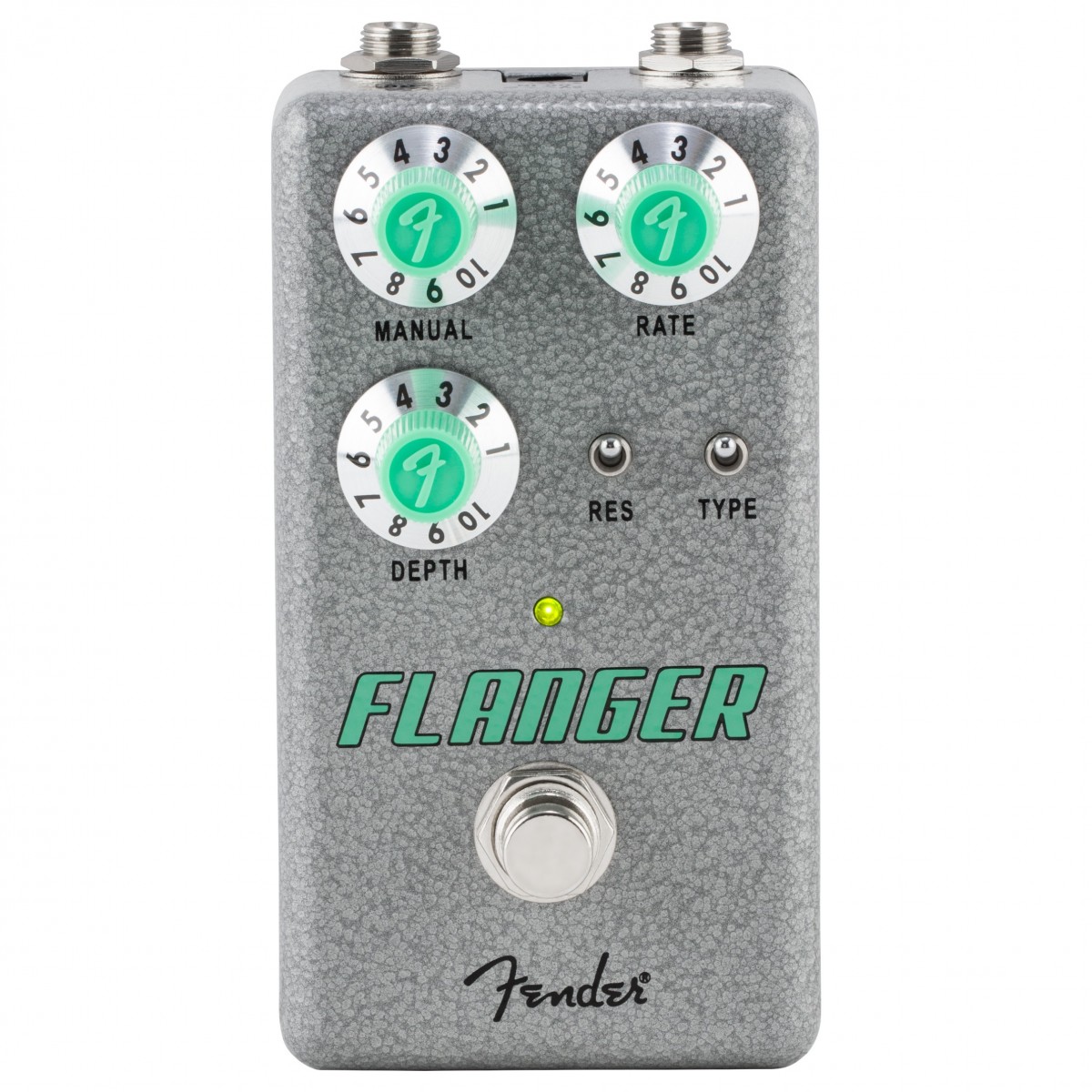
Fender Hammertone Flanger Pedal
 €27.05
Behringer
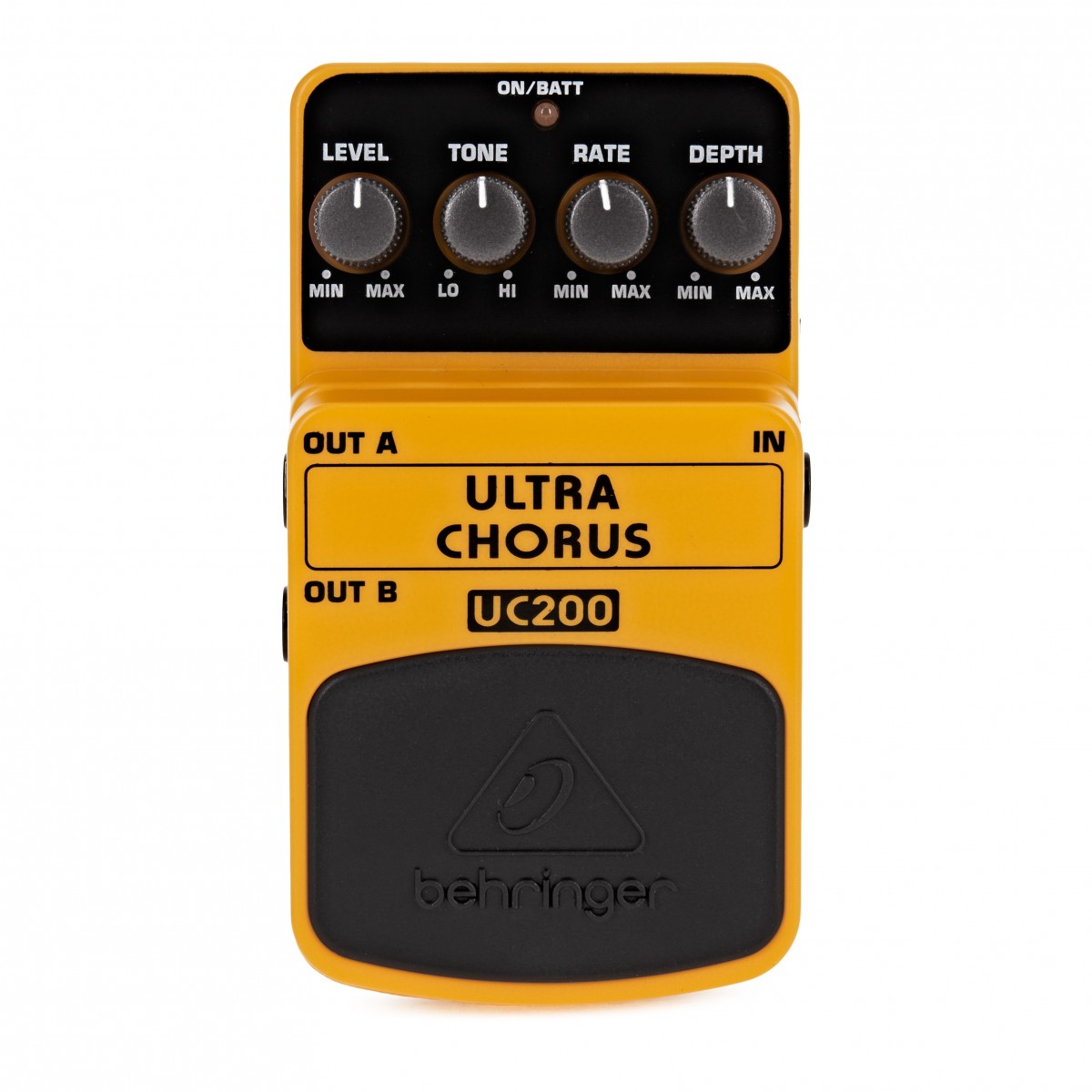
Behringer UC200 Ultra Chorus Pedal
 €304.56
Dunlop
Dunlop Mick Ronson Cry Baby Wah
 €92.90
Yamaha
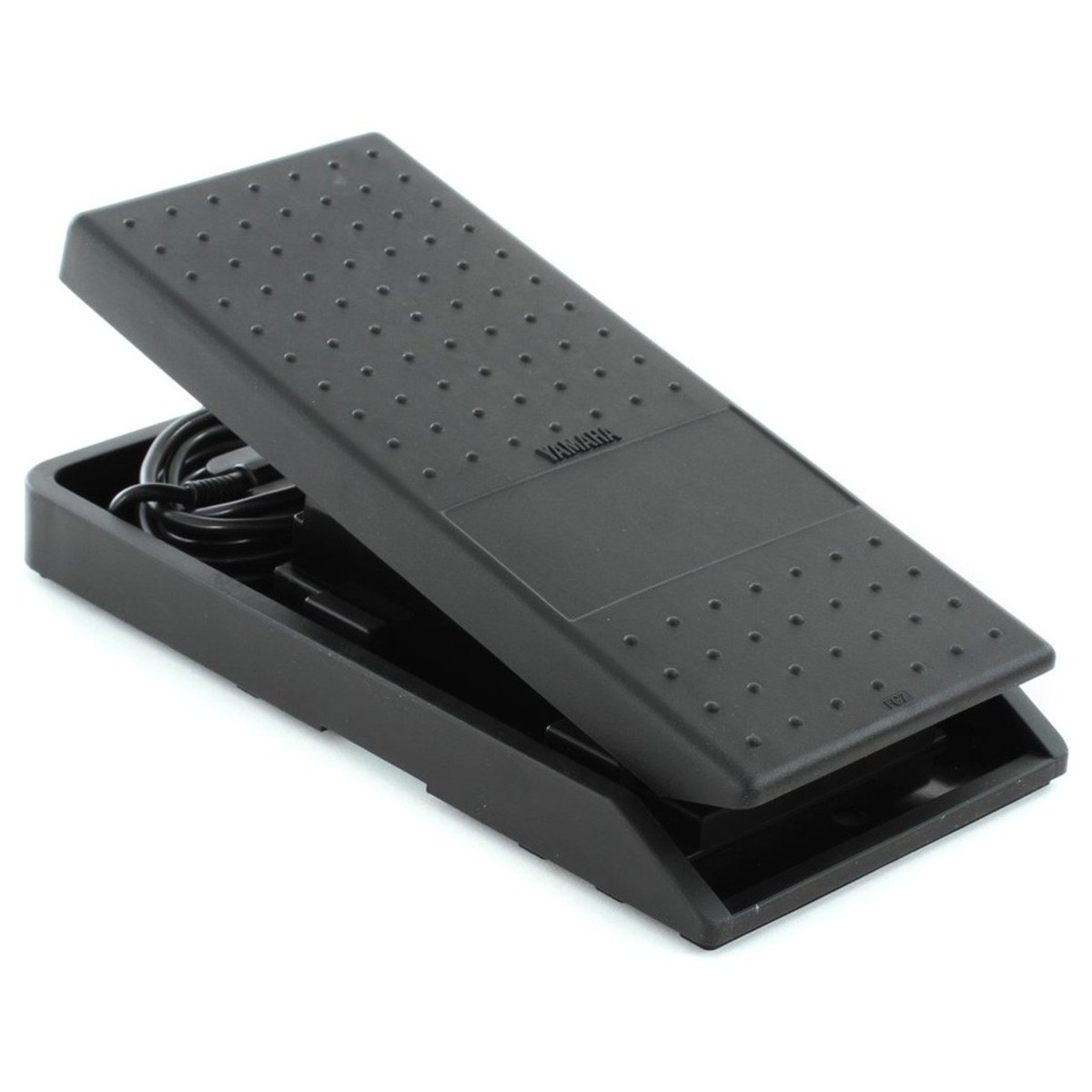
Yamaha FC7 Expression Pedal
 €156.50
Boss
Boss DD-3T Digital Delay Pedal
 €116.53
Boss
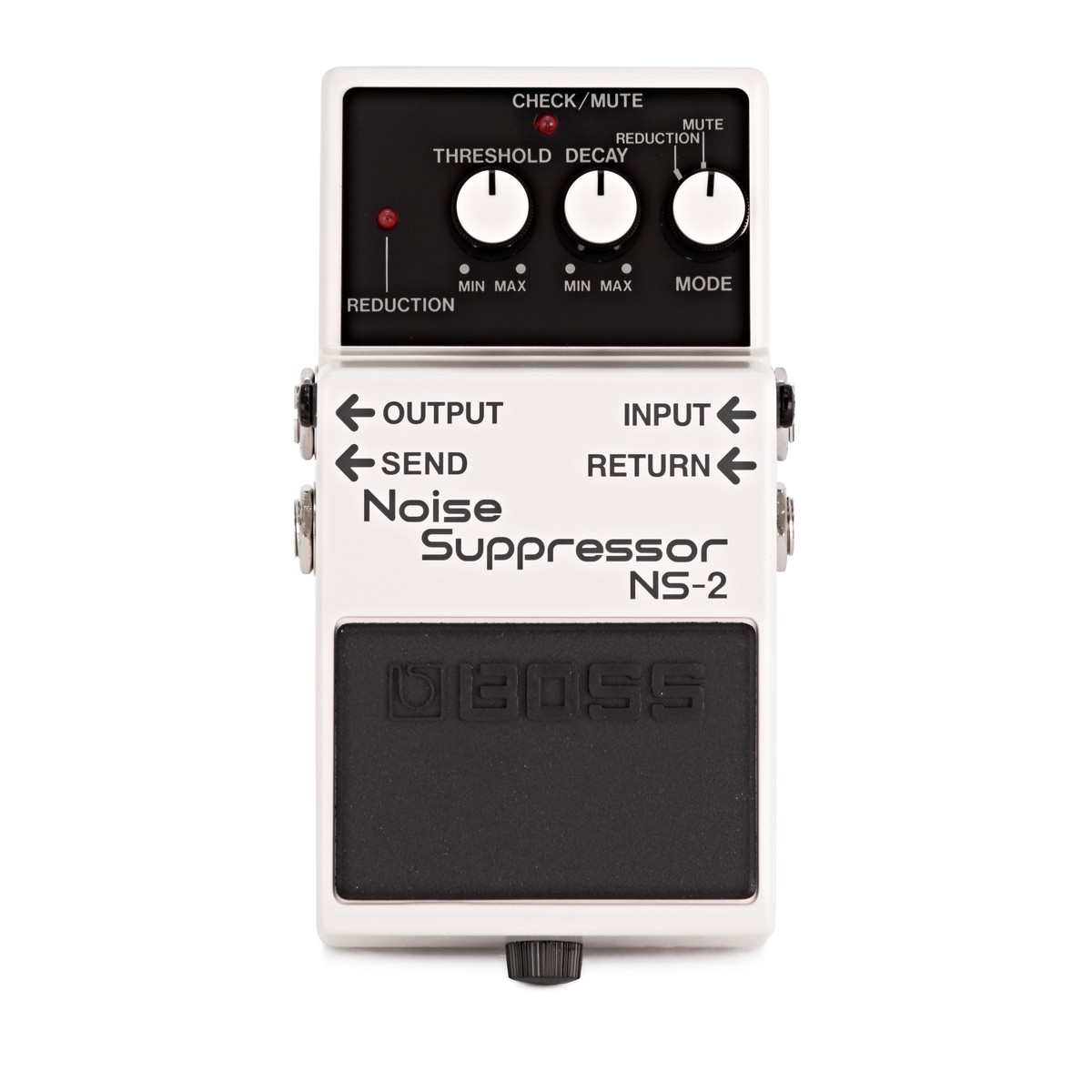
Boss NS-2 Noise Suppressor Guitar Pedal
Frequently asked questions
- What is the primary effect of the MXR M267 Octavio Fuzz?
- The primary effect is a combination of heavy fuzz saturation and an added upper-octave harmonic. This creates a distinct, searing tone often described as synth-like or flute-like, depending on the guitar settings.
- Which famous artist is most associated with this circuit?
- Jimi Hendrix is the artist most famously associated with the Octavio circuit. He used the original version to create his iconic lead tones, which the M267 aims to replicate for modern players.
- How do playing dynamics affect the M267?
- The M267 is highly touch-responsive. Digging in hard with the pick will produce a more aggressive, 'ripped' clipping sound, while lighter playing results in a softer and smoother fuzz response.
- Where should I play on the neck to get the best octave effect?
- The octave-up effect is usually most prominent when playing on the neck pickup, specifically around the 12th fret and higher. Using the guitar's tone control to roll off some high end can also help track the octave more clearly.
- What controls are available on the M267 Octavio Fuzz?
- The pedal features a simple two-knob interface consisting of Output and Fuzz. The Output knob controls the overall volume, while the Fuzz knob adjusts the amount of distortion and sustain.
- Is the M267 Octavio Fuzz suitable for genres other than rock?
- Yes, while it has a rock heritage, its aggressive character makes it popular in doom metal, and its dynamic response makes it useful for experimental and alternative styles.
- How does the M267 compare to the Electro-Harmonix Big Muff?
- The M267 provides a distinct octave-up harmonic and a more mid-forward, aggressive clipping. The Big Muff is known for its smooth, wall-of-sound sustain and does not feature an octave-up circuit.
- Can the M267 be used for rhythm playing?
- While primarily known for lead tones, it can be used for rhythm; however, the octave effect can make complex chords sound dissonant. It is best suited for power chords or single-note riffs.
- What is the typical price for the MXR M267?
- The typical price for the MXR M267 Octavio Fuzz is approximately GBP 159. Prices may vary slightly based on the retailer and current promotions.
- Does the M267 require a specific power supply?
- Like most MXR pedals, it typically runs on a standard 9V DC power supply or a 9V battery. Always check the specific manual for polarity requirements to avoid damaging the circuit.
- What other pedals pair well with the Octavio Fuzz?
- It pairs exceptionally well with a Wah pedal, such as a Cry Baby, and time-based effects like the Boss DD-3T Digital Delay or modulation like the Fender Hammertone Flanger.
- Is this pedal a digital or analog effect?
- The MXR M267 Octavio Fuzz is an analog pedal. It uses traditional circuitry to achieve its clipping and harmonic doubling, which contributes to its touch-sensitive and organic feel.
Sources
Last updated: