
Article
Linda McCartney's gear: the instruments behind their career
Linda McCartney was a central figure in Wings, providing the harmonic textures and melodic keyboard lines that defined the band's pop rock sound. Her transition from an iconic photographer to a keyboardist and vocalist saw her master a range of synthesizers and electric pianos to support global hits.

Early Career and the Formation of Wings
Before entering the music industry as a performer in 1971, Linda McCartney was an acclaimed photographer. Upon joining Paul McCartney in the formation of Wings, she took on the role of keyboardist, a position that would become integral to the band's aesthetic. During the early years of the group, her setup often included the Fender Rhodes Mark I Stage 73 (1969-1975). This electric piano provided the warm, barky tones essential to the melodic pop rock sensibility of the 1970s.
Synthesizers and the Wings Sound
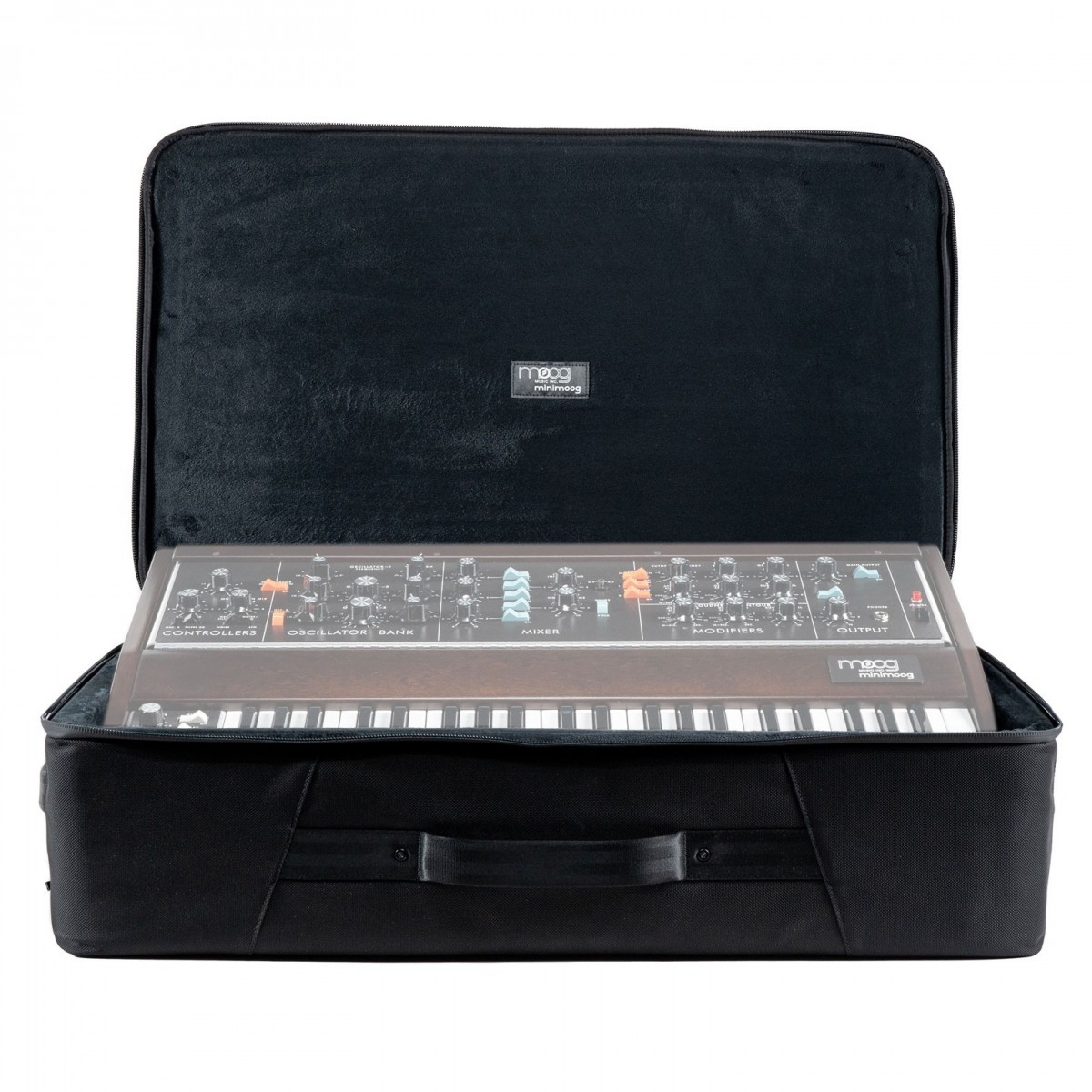
As Wings achieved global success with albums like 'Band on the Run', Linda's rig expanded to include various synthesizers to add modern textures and raw energy. She utilised the ARP Soloist, a preset-based monophonic synthesiser known for its ability to mimic orchestral leads. For more complex, fat bass lines and lead patches, she employed the Moog Minimoog Model D, a staple of 1970s rock. Later in the decade, she incorporated the ARP Pro/DGX, an updated version of the Soloist that offered a wider range of expressive potential.
Classic Organs and Studio Textures
Beyond synthesizers, McCartney relied on heavy-duty keyboards for the band's rich studio and live arrangements. The Hammond B-3 was a primary source for the soul-inflected organ swells found in many Wings tracks. To achieve the flute and string textures common in progressive pop rock, she used the Mellotron M400, a tape-replay keyboard that defined the era's atmospheric sound. Even as the band's gear evolved, she maintained the use of the Fender Rhodes Mark I Stage 73 and the standard Fender Rhodes Mark I Stage 73 [keyboard] for their distinct electric piano chime.
Final Years and Versatility
In the later stages of the band's career leading up to 1981, and during subsequent projects, McCartney continued to adapt to technological shifts. She eventually used the Roland D-50, a linear arithmetic synthesizer that helped define the late 1980s sound with its hybrid of digital samples and synthesis. While primarily a keyboardist, her presence was occasionally augmented by the Fender Telecaster, showcasing a versatility that spanned the band's diverse rock catalogue.
Artists who have used this item
Related gear


Frequently asked questions
- When did Linda McCartney begin her musical career?
- She began her musical career in 1971 when she joined Wings.
- What were Linda McCartney's primary instruments?
- Her primary instruments were keyboards and vocals.
- Which electric piano did she use during the mid-70s?
- She used the Fender Rhodes Mark I Stage 73 (1969-1975).
- Did Linda McCartney use any Moog synthesizers?
- Yes, she used the Moog Minimoog Model D.
- What organ was part of her gear list?
- She used the Hammond B-3 organ.
- Which guitar did she occasionally use?
- She used the Fender Telecaster.
- What digital synthesizer did she use in her later career?
- She used the Roland D-50.
- Which ARP synthesizers were in her collection?
- She used the ARP Soloist and the ARP Pro/DGX.
- What instrument provided the tape-based orchestral sounds in Wings?
- The Mellotron M400 was used for those textures.
- How long was Linda McCartney active in Wings?
- She was an active member from 1971 until the band's dissolution in 1981.
Last updated: