
Gear article
Korg Monologue Analog Synthesizer Silver
The Korg Monologue is a monophonic analogue synthesizer that builds upon the design architecture of the Korg Minilogue. Featuring a redesigned step sequencer and micro-tuning capabilities developed with Richard D. James, this silver-finished instrument is engineered for performance-oriented monophonic synthesis.

Overview and Development
The Korg Monologue is a compact, monophonic analogue synthesizer designed to provide a more aggressive and performance-focused alternative to the polyphonic Minilogue. While it retains the core design language of its predecessor, the Monologue has been specifically re-voiced to excel at monophonic tasks such as basslines and lead sequences. The silver aesthetic provides a professional look designed to complement various studio environments and external audio equipment.
Micro-tuning and Collaboration
A defining technical feature of the Monologue is its inclusion of micro-tuning capabilities. This functionality allows users to move beyond standard equal temperament scales. Korg engaged Richard D. James (Aphex Twin) as a special advisor to assist in the implementation of these features, ensuring the instrument could handle complex, non-traditional tuning systems essential for experimental electronic music.
Sequencing and Performance
The synthesizer features an updated step sequencer designed for high-speed manipulation during live performance. It includes 16 dedicated physical step buttons, which facilitate faster real-time edits compared to menu-driven systems. This redesign focuses on tactile feedback, allowing performers to alter sequences on the fly while maintaining a focus on the monophonic signal path.
Technical Architecture
The internal circuitry is fully analogue, based on the proven Minilogue design but updated to improve audio performance in a monophonic context. The synthesis engine is optimized for stability and character, providing the warmth and grit associated with traditional analogue hardware while benefiting from modern manufacturing reliability.
Market Comparison
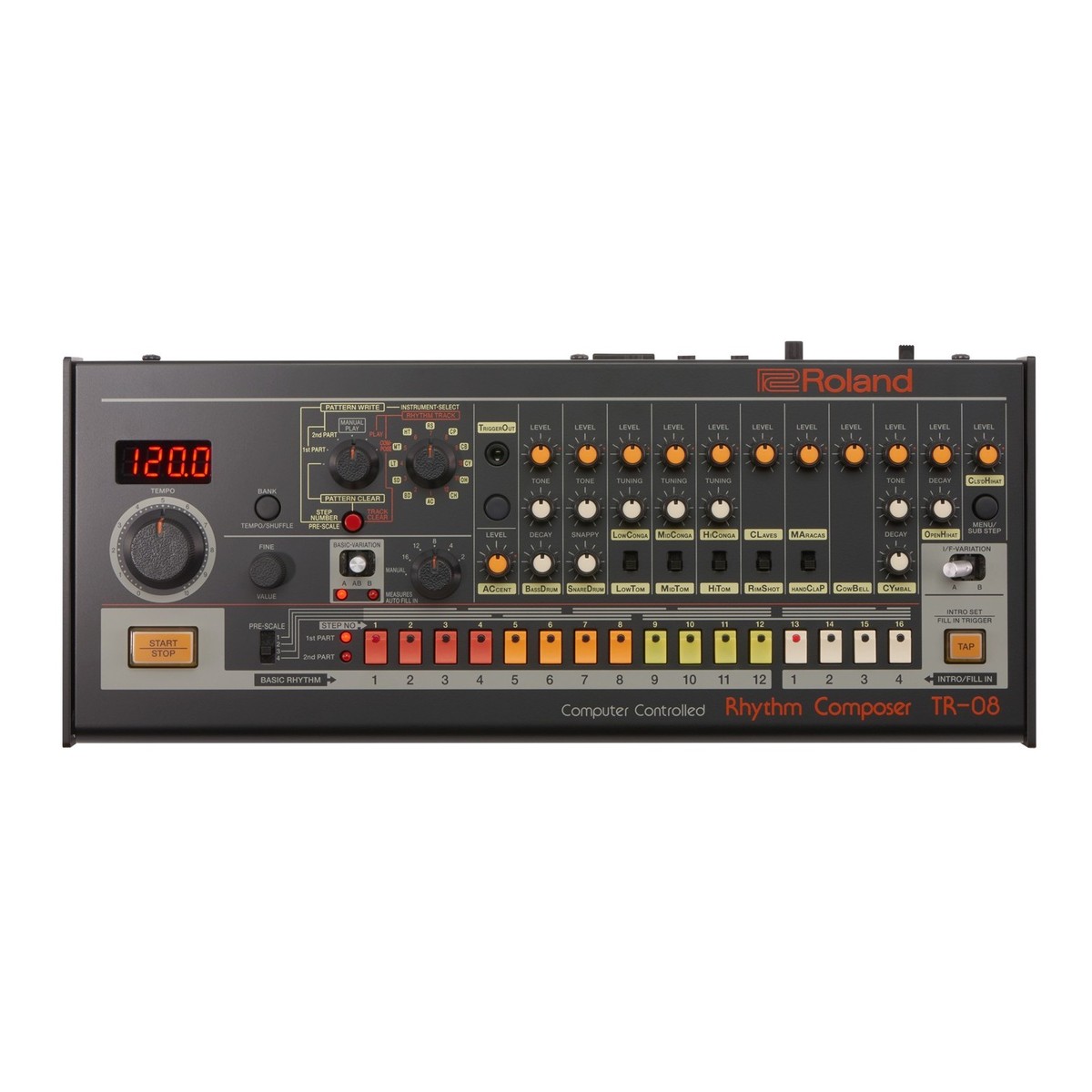
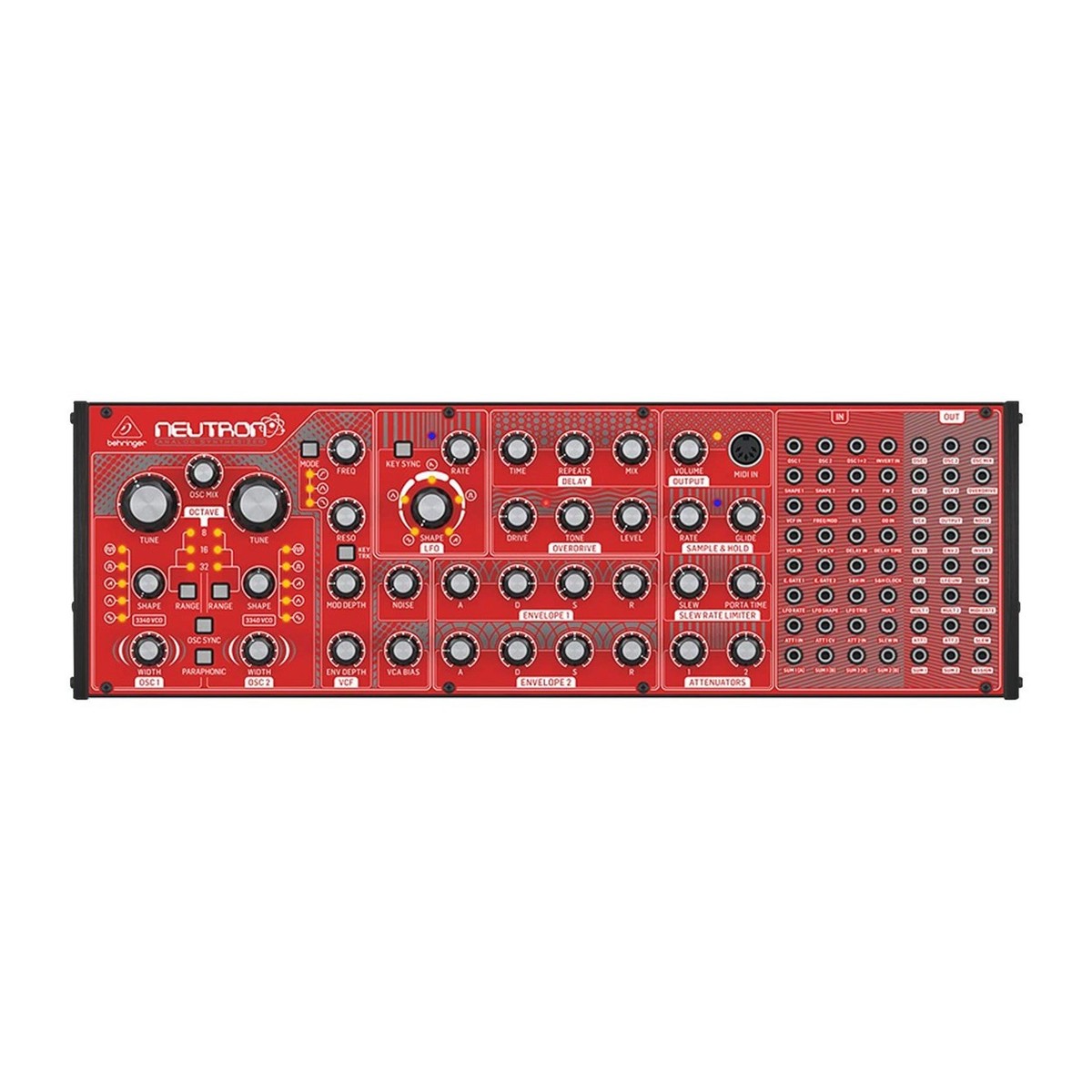
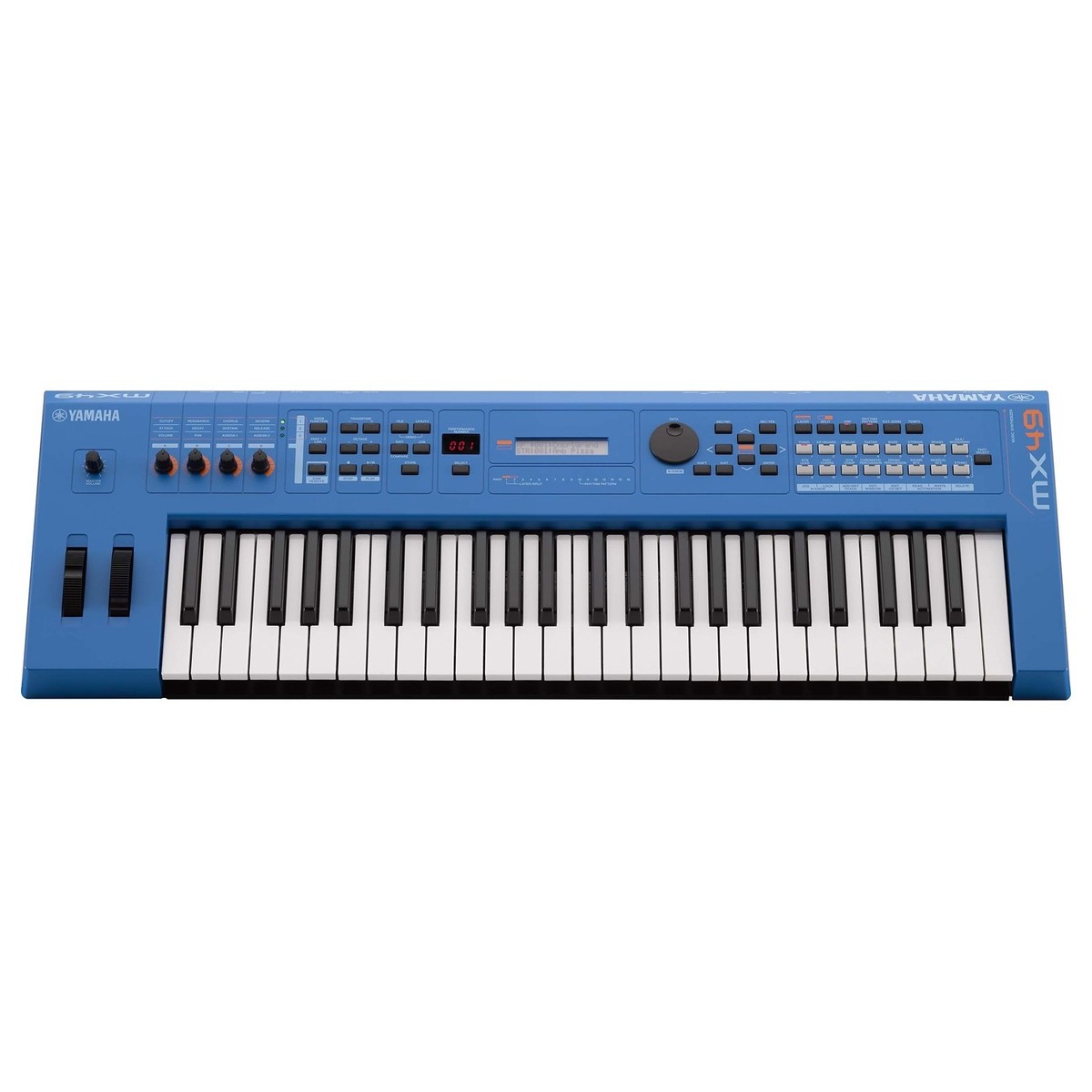
Within the current synthesizer market, the Monologue competes with other compact analogue and digital units. It offers a more traditional analogue signal path compared to digital options like the Yamaha MX49 II or the Yamaha YDS 150 wind synth. While semi-modular units like the Behringer Neutron offer patch-point flexibility, the Monologue focuses on an integrated, sequence-heavy workflow with a built-in keyboard, making it more comparable to the portable Roland Boutique TR-08 in terms of its performance-led design.
Related gear
 €439.80
Roland
Roland Boutique TR-08 Rhythm Composer Drum Machine
 €331.02
Behringer
Behringer Neutron Semi-Modular Synthesizer
 €4,350.91
Oberheim
Oberheim OB-X8 Analog Synthesizer Desktop Module
 €619.72
Yamaha
Yamaha MX49 II Music Production Synthesizer Blue
 €146.99
Electro Harmonix
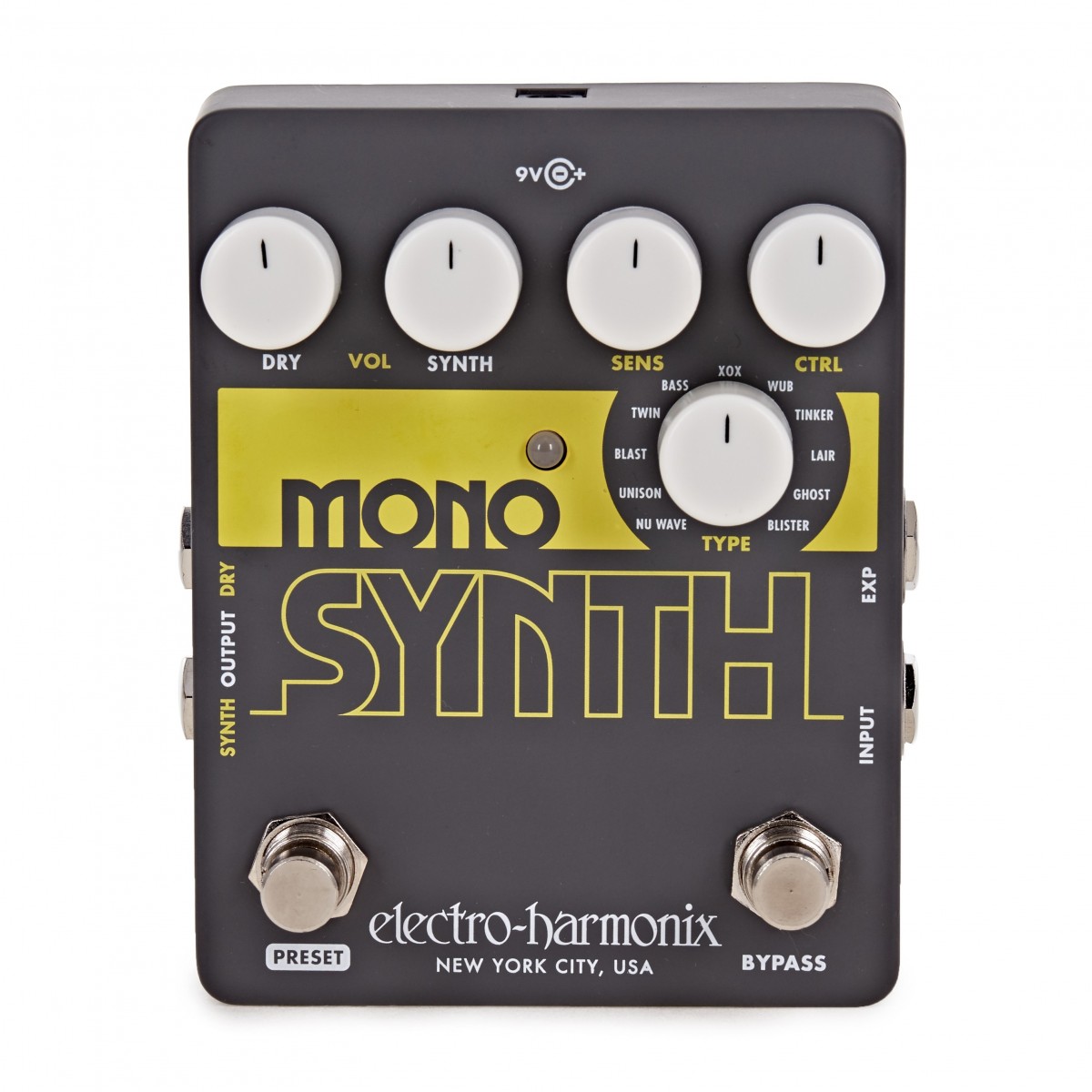
Electro Harmonix Mono Synth Guitar Synthesizer
 €2,643.12
Viscount Organs
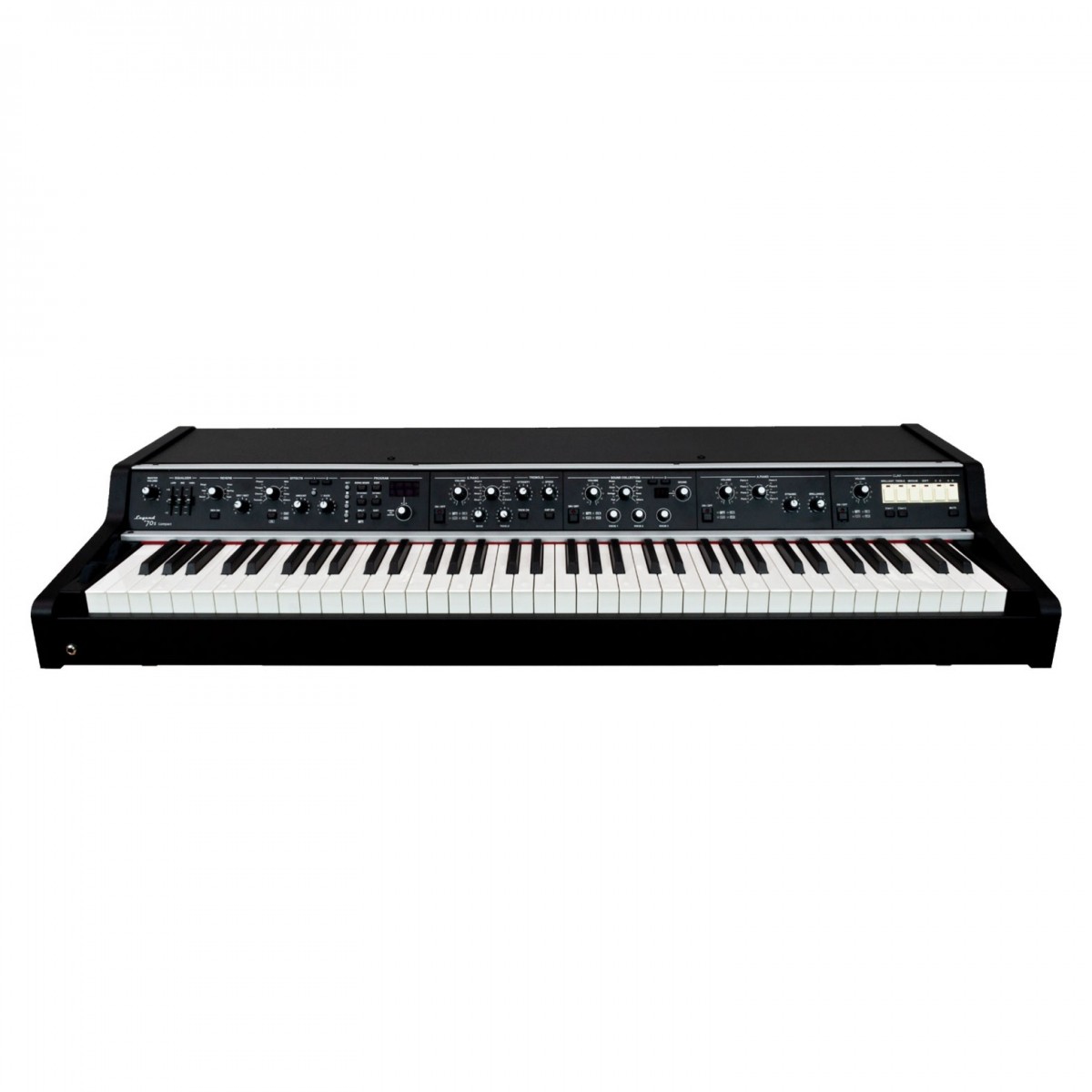
Viscount Legend 70s Compact EX Modular Stage Piano
 €759.42
Yamaha
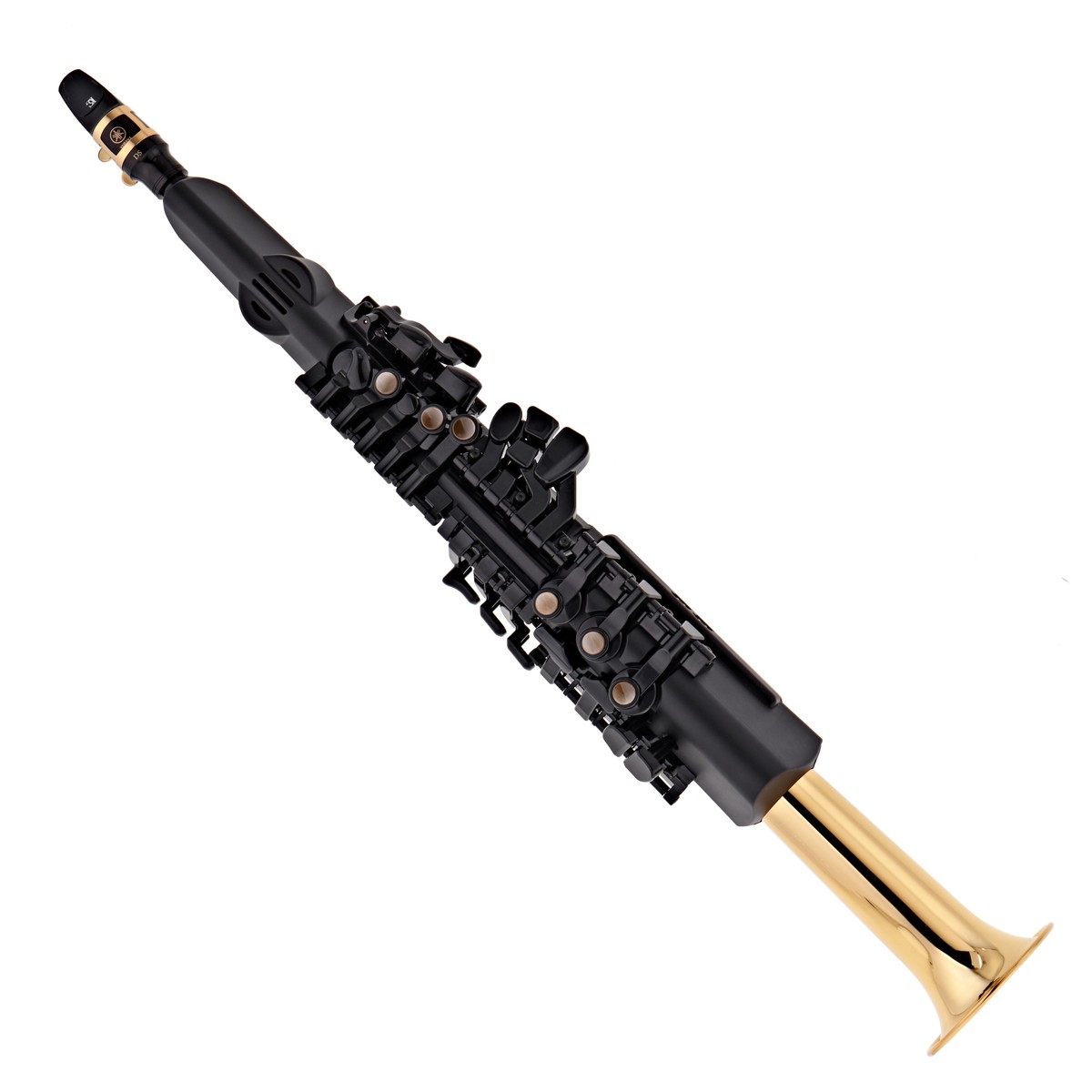
Yamaha YDS 150 Digital Wind Synthesizer
 €587.95
Gear4Music
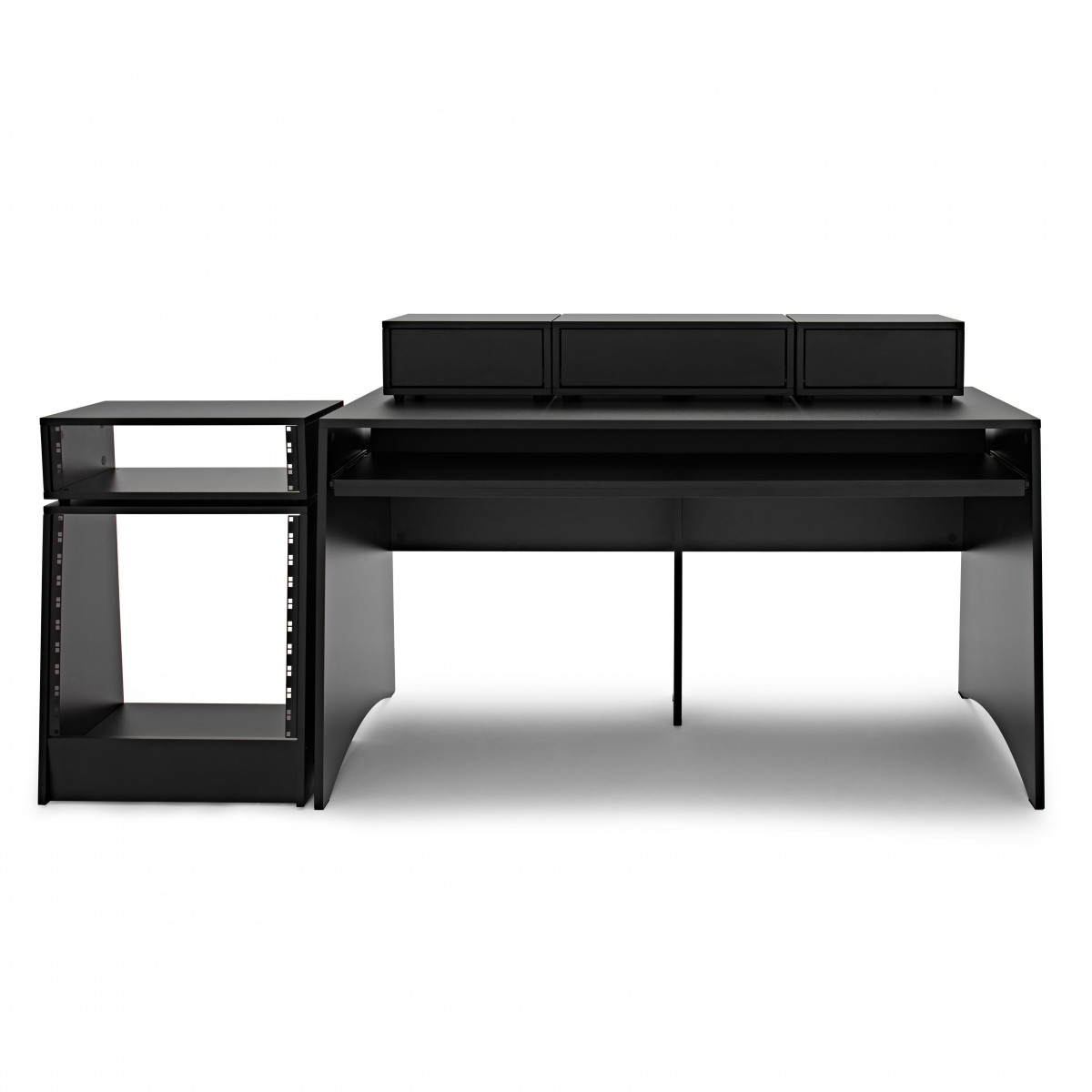
modul Modular Complete Studio System Black
Frequently asked questions
- Is the Korg Monologue a polyphonic synthesizer?
- No, the Korg Monologue is a monophonic synthesizer, meaning it is designed to play one note at a time. It is a re-voiced and specialized version of the polyphonic Minilogue architecture.
- Who helped design the micro-tuning features on the Monologue?
- Richard D. James, widely known as Aphex Twin, served as a special advisor for the Monologue. He contributed specifically to the implementation of its micro-tuning and scale capabilities.
- How many steps does the built-in sequencer have?
- The Monologue features a 16-step sequencer. It includes 16 dedicated physical buttons on the front panel to allow for rapid real-time editing of sequences.
- What is the primary difference between the Monologue and the Minilogue?
- The Monologue is monophonic and features a redesigned sequencer and micro-tuning, whereas the Minilogue is polyphonic. The Monologue has also been re-voiced for a more aggressive monophonic performance.
- Does the Monologue Silver have different features than other colours?
- No, the silver finish is purely aesthetic. The internal analogue circuitry and features remain identical across the different colour variations of the Monologue range.
- Can the Monologue be used for bass sounds?
- Yes, the Monologue was specifically updated and re-voiced to excel at basslines and lead sounds. Its monophonic analogue engine is ideal for powerful, singular low-end frequencies.
- What kind of signal path does the Monologue use?
- The Korg Monologue utilizes a fully analogue signal path. This ensures a classic harmonic character and audio performance associated with traditional hardware synthesis.
- How does the Monologue compare to the Behringer Neutron?
- The Monologue features a built-in keyboard and a dedicated 16-step sequencer, making it a self-contained performance tool. The Behringer Neutron is a semi-modular desktop unit that requires external control or patching for similar functionality.
- Is the Monologue suitable for live performance?
- Yes, the Monologue is highly suitable for live use due to its compact size and tactile sequencer buttons. The real-time step edit features allow performers to change patterns instantly without stopping the music.
- Does the Korg Monologue support micro-tuning?
- Yes, micro-tuning is a core feature of the Monologue. This allows users to create and use non-standard scales, a feature developed with input from Richard D. James.
- What is the typical price for a Korg Monologue Silver?
- The typical price for the Korg Monologue Silver is approximately GBP 233. This makes it an accessible entry point for musicians seeking a genuine analogue synthesizer.
- Can the Monologue be integrated with other gear like the Roland TR-08?
- Yes, the Monologue can be used alongside other studio equipment like the Roland Boutique TR-08. Its silver finish is specifically designed to match aesthetically with various modern audio instruments.
Sources
Last updated: