Article
John Anderson's gear: the instruments behind their career
John Anderson's signature neotraditional country sound is anchored by his rich baritone vocals and steady acoustic rhythm guitar work. His choice of classic Gibson and Martin acoustics provides the weathered, rhythmic foundation necessary to complement his unique honky-tonk phrasing.
Early Nashville Years and Neotraditional Emergence
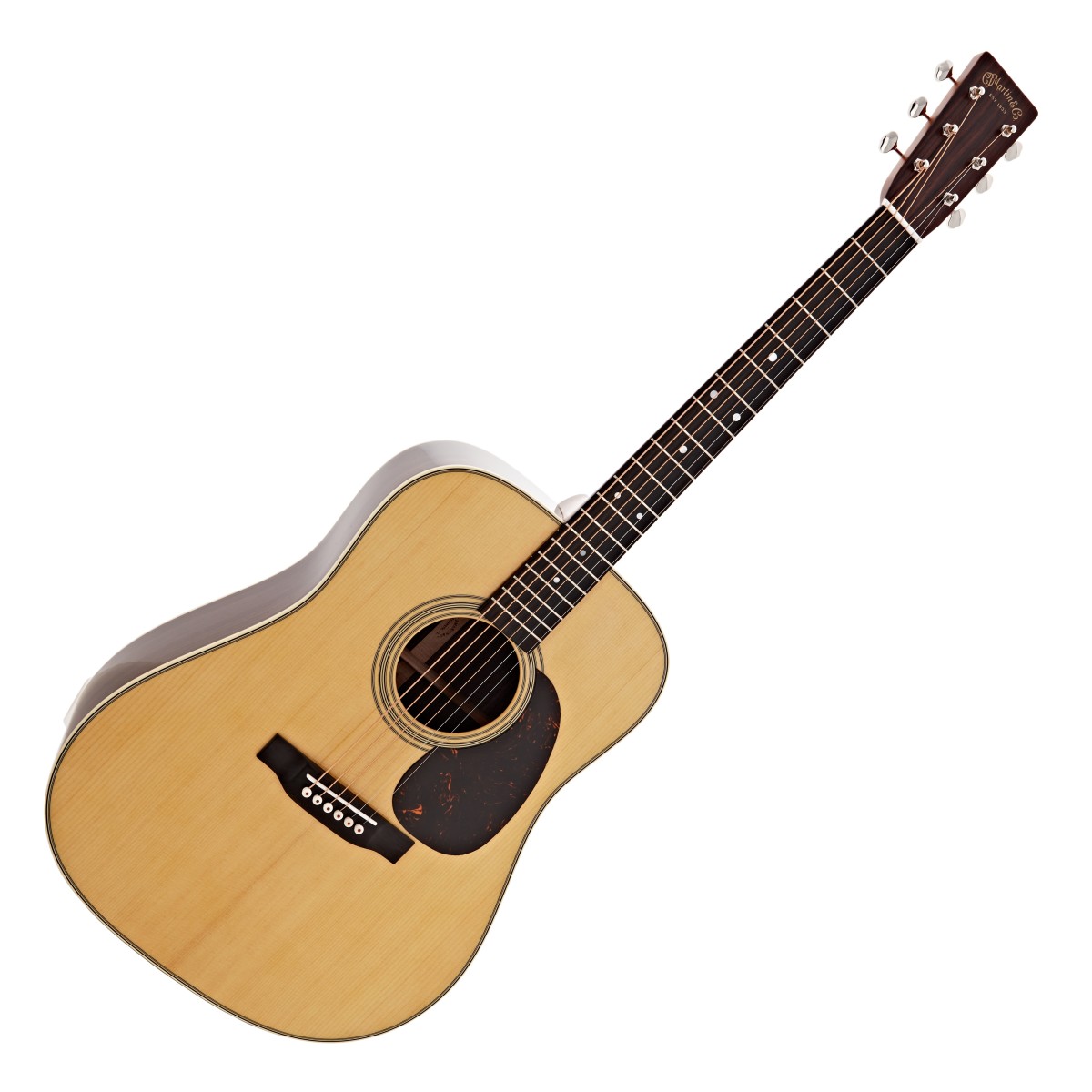
Since arriving in Nashville in 1977, John Anderson has served as a cornerstone of the neotraditional movement. During the early years of his career, which saw the release of his 1983 hit 'Swingin'', Anderson established a preference for full-bodied acoustic tones. The Gibson J-45 and Martin D-28 are central to this era, offering the projection and mid-range clarity required for a honky-tonk setting. These instruments provide an unvarnished rhythmic anchor that supports his idiosyncratic vocal delivery without overpowering the arrangement.
Signature Acoustic Guitars
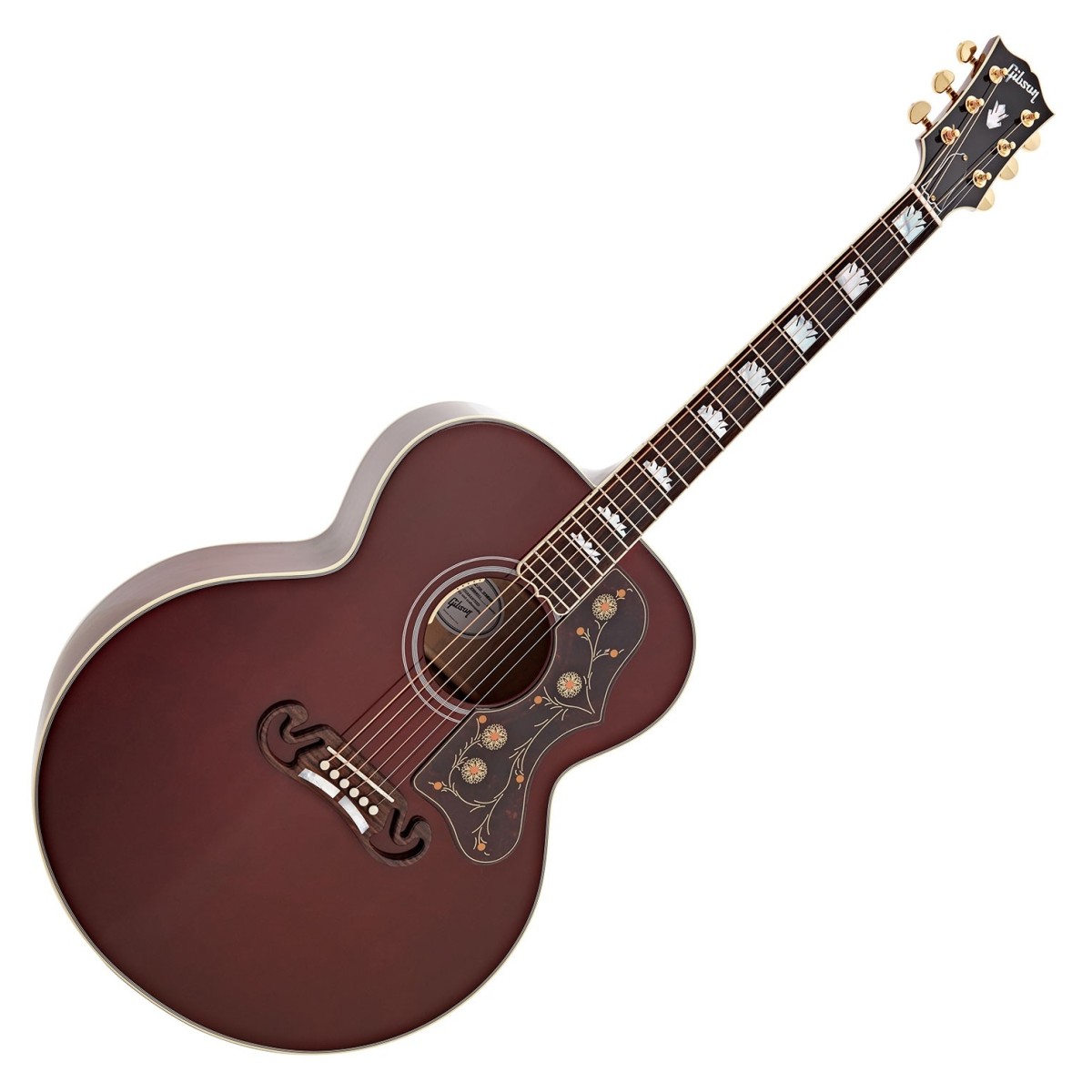
For his most celebrated performances, including the era of his 1992 environmental anthem 'Seminole Wind', Anderson has frequently been associated with the 'King of the Flat-Tops'. Both the Gibson J-200 and the Gibson SJ-200 have featured prominently in his work. These large-bodied instruments produce a deep, resonant bass response that matches the frequency of his baritone voice. When a more traditional, balanced bluegrass-style tone is required, the Martin D-28 remains a staple in his collection, valued for its historical significance in American roots music.

Electric Guitars and Effects
While primarily known for his acoustic rhythm work, Anderson's studio sessions and stage shows have utilised various electric instruments to broaden his country sound. He has employed the Gibson Les Paul Standard and the Fender Stratocaster for parts requiring more sustain or twang. To shape these electric tones, he uses the Ibanez TS9 overdrive for subtle grit and the MXR Phase 90 for modulation, adding texture to the traditional country arrangements.
Amplification and Vocal Capture
To project his sound in live venues and studios, Anderson relies on a range of classic amplifiers. The Fender Twin Reverb and Vox AC30 provide the valve-driven warmth associated with classic country-rock, while the Roland Jazz Chorus JC-120 offers a clean, high-headroom alternative for pristine guitar tones. For his legendary vocal performances, the Shure SM58 is a standard choice for durability and clarity on tour. In various recording and miking applications, the Shure SM57 is also utilized to capture the nuances of his instrumentation.
Artists who have used this item
Related gear

Frequently asked questions
- When did John Anderson start his professional career?
- John Anderson launched his professional career in 1977 after relocating to Nashville.
- Which acoustic guitar is John Anderson most commonly associated with?
- Anderson often uses the **Gibson J-200** and **Gibson SJ-200**, as well as the **Martin D-28** and **Gibson J-45**.
- What microphones does John Anderson use for his vocals?
- Anderson uses the **Shure SM58** for vocal performances, and the **Shure SM57** is also part of his gear list.
- Does John Anderson use any effects pedals?
- Yes, his gear includes the **Ibanez TS9** overdrive and the **MXR Phase 90** phaser.
- What amplifiers are used for John Anderson's guitar sound?
- He uses the **Fender Twin Reverb**, **Vox AC30**, and the **Roland Jazz Chorus JC-120**.
- What are John Anderson's most famous songs?
- His catalog includes the 1983 hit 'Swingin'' and the 1992 anthem 'Seminole Wind'.
- When was John Anderson inducted into the Country Music Hall of Fame?
- He was formally inducted in 2024.
- Which electric guitars has John Anderson used?
- He has used the **Gibson Les Paul Standard** and the **Fender Stratocaster**.
- What is unique about John Anderson's vocal style?
- He is known for a rich, drawling baritone delivery and deep honky-tonk phrasing.
- Where was John Anderson born?
- He was born in Orlando, Florida, and raised in Apopka.
Last updated: