Gear article
Hohner PentaHarp Minor Pentatonic Harmonica
The Hohner PentaHarp is a specialised diatonic harmonica designed around the minor pentatonic scale, featuring an additional "blue note" to allow for full blues scale accessibility without advanced techniques. It is constructed using the foundations of the Hohner Special 20, providing a durable ABS comb and recessed reed plates for enhanced comfort.

Background and Design
The Hohner PentaHarp represents a departure from the traditional Richter tuning found on standard 10-hole harmonicas. While traditional models require complex techniques such as bending or overblowing to access certain notes of the minor pentatonic scale, the PentaHarp is engineered to provide these notes natively.
It is built upon the chassis of the Special 20, one of Hohner's most successful and reliable models. This heritage ensures that the instrument benefits from established manufacturing standards, specifically the use of an ABS plastic comb which is resistant to the swelling and cracking often seen in wooden-bodied instruments.
Technical Features
The primary innovation of the PentaHarp is its tonal layout. Key features include:
- Minor Pentatonic Layout: The arrangement follows the minor pentatonic scale throughout the instrument's range.
- Integrated Blue Note: A specific 'blue note' is added to the scale, enabling the player to perform full blues scales without bending.
- Consistent Airflow: Unlike standard harmonicas, the note layout eliminates the need to change the blow-draw cycle at holes 6 and 7, maintaining a consistent pattern across the instrument.
- Ergonomics: The recessed reed plates ensure that the player's lips are in contact with the smooth ABS comb rather than the sharp edges of the brass plates, significantly increasing comfort during long sessions.
Sonic Character
Because the PentaHarp is designed for blues music, its sound is inherently tailored for expressive, emotive playing. The inclusion of the blue note allows for the characteristic 'mournful' sound of the blues to be achieved with ease. The airtight construction provided by the Special 20 design ensures a responsive feel and a bright, clear tone that cuts through in a mix, whether played acoustically or through a microphone.
Comparison with Alternatives
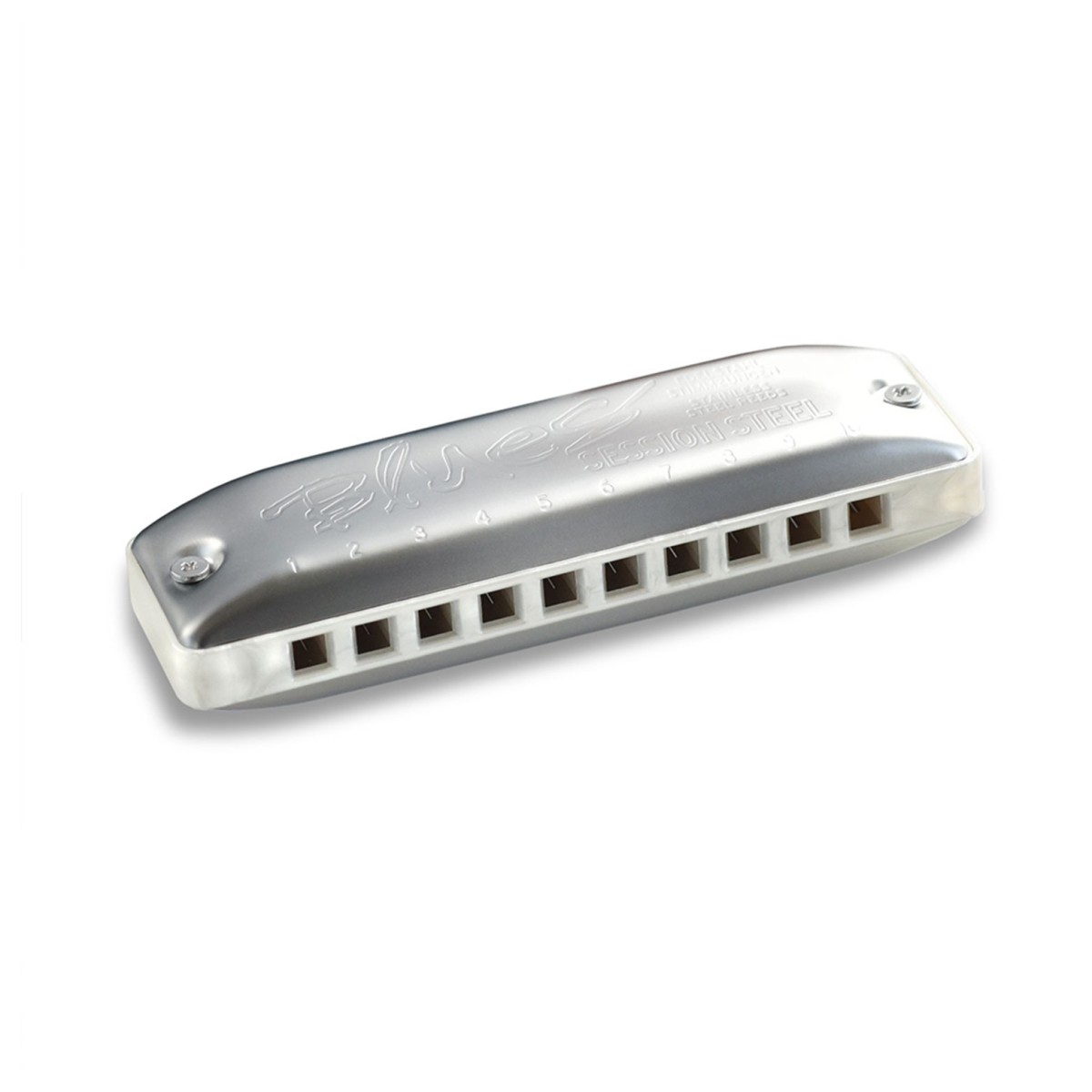
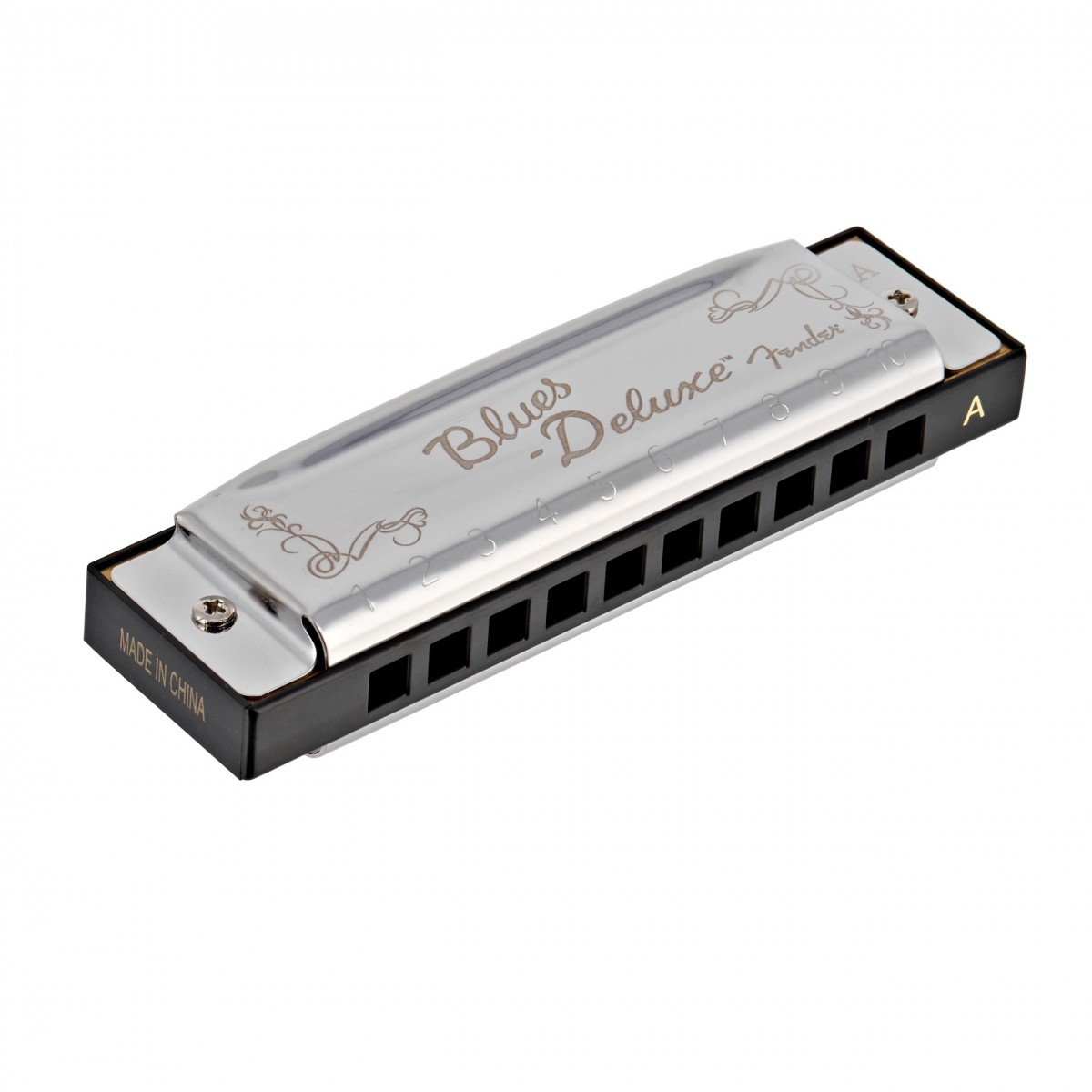
When compared to traditional harmonicas like the Fender Blues Deluxe Harmonica in A or the Seydel 1847 Session Steel, the PentaHarp is distinguished by its layout. While a Seydel 1847 offers premium steel reeds and a standard Richter tuning, the PentaHarp focuses on ease of use for specific genres.
For guitarists, the PentaHarp serves as a more accessible entry point than a standard diatonic harmonica because the minor pentatonic scale is the foundational scale for most blues and rock guitar solos. This alignment of theory between the two instruments makes it a popular choice for performers who double on both.
Related gear
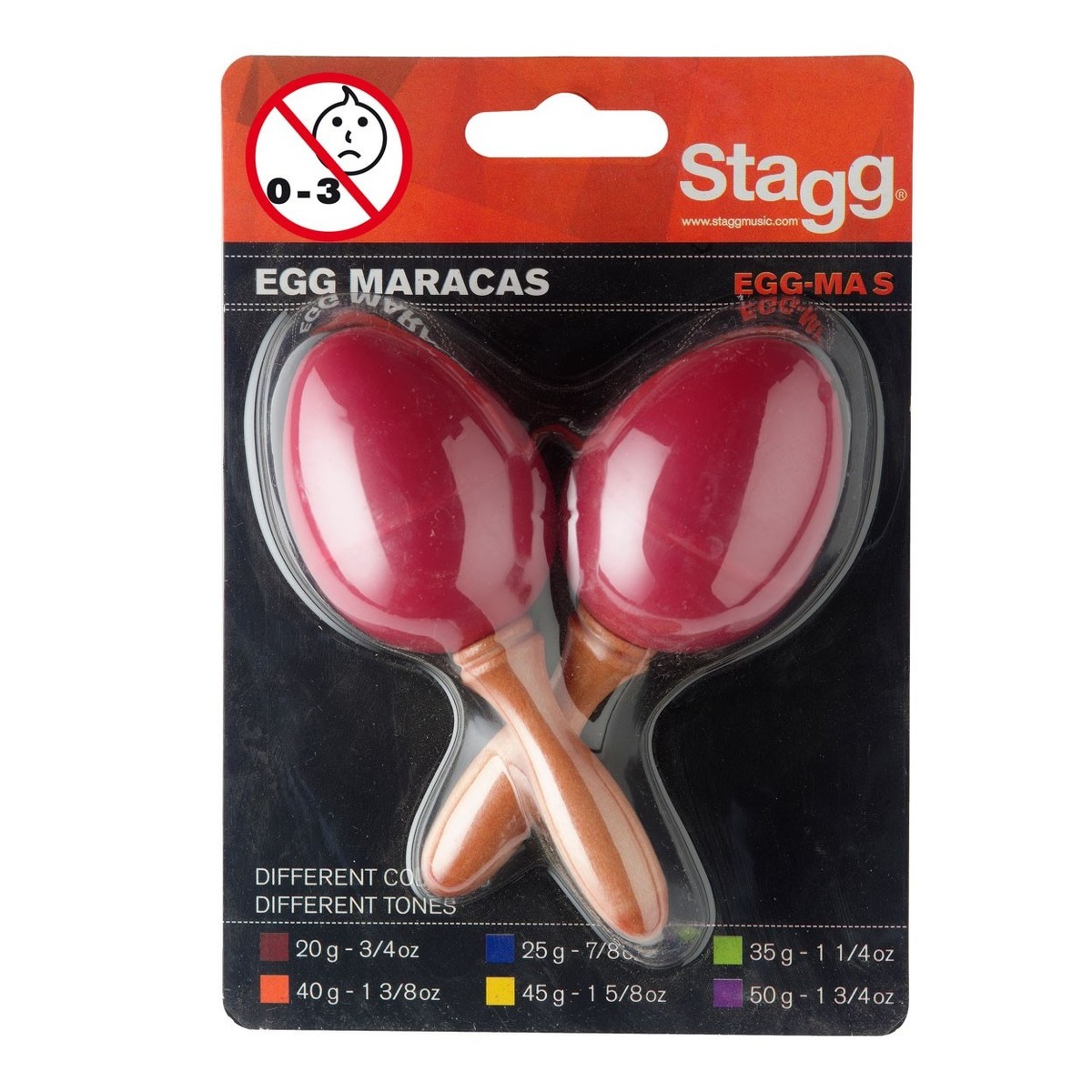 €4.69
Stagg
Stagg Plastic Egg Maracas Red
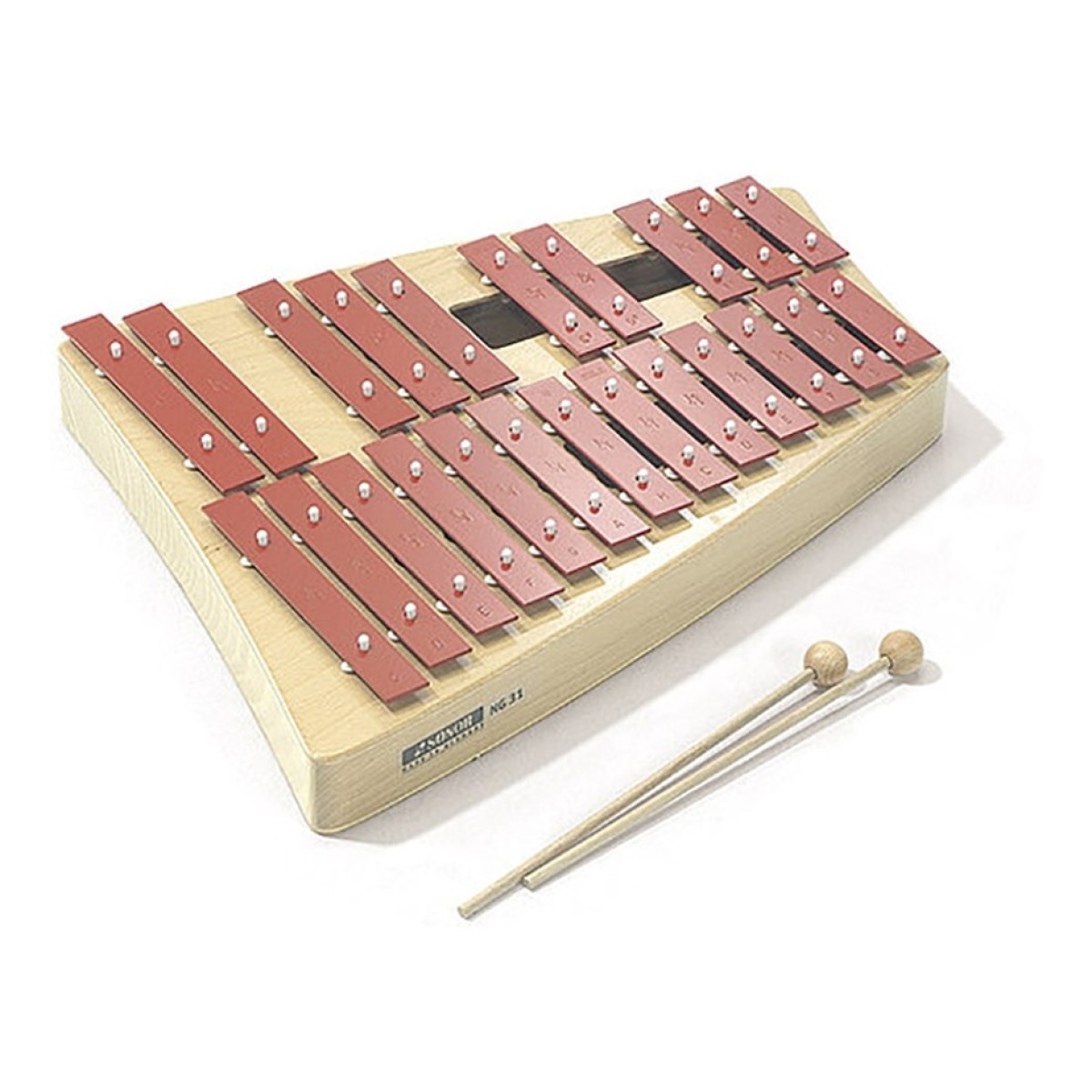 €139.94
Sonor
Sonor Orff NG31 Alto Chromatic Glockenspiel
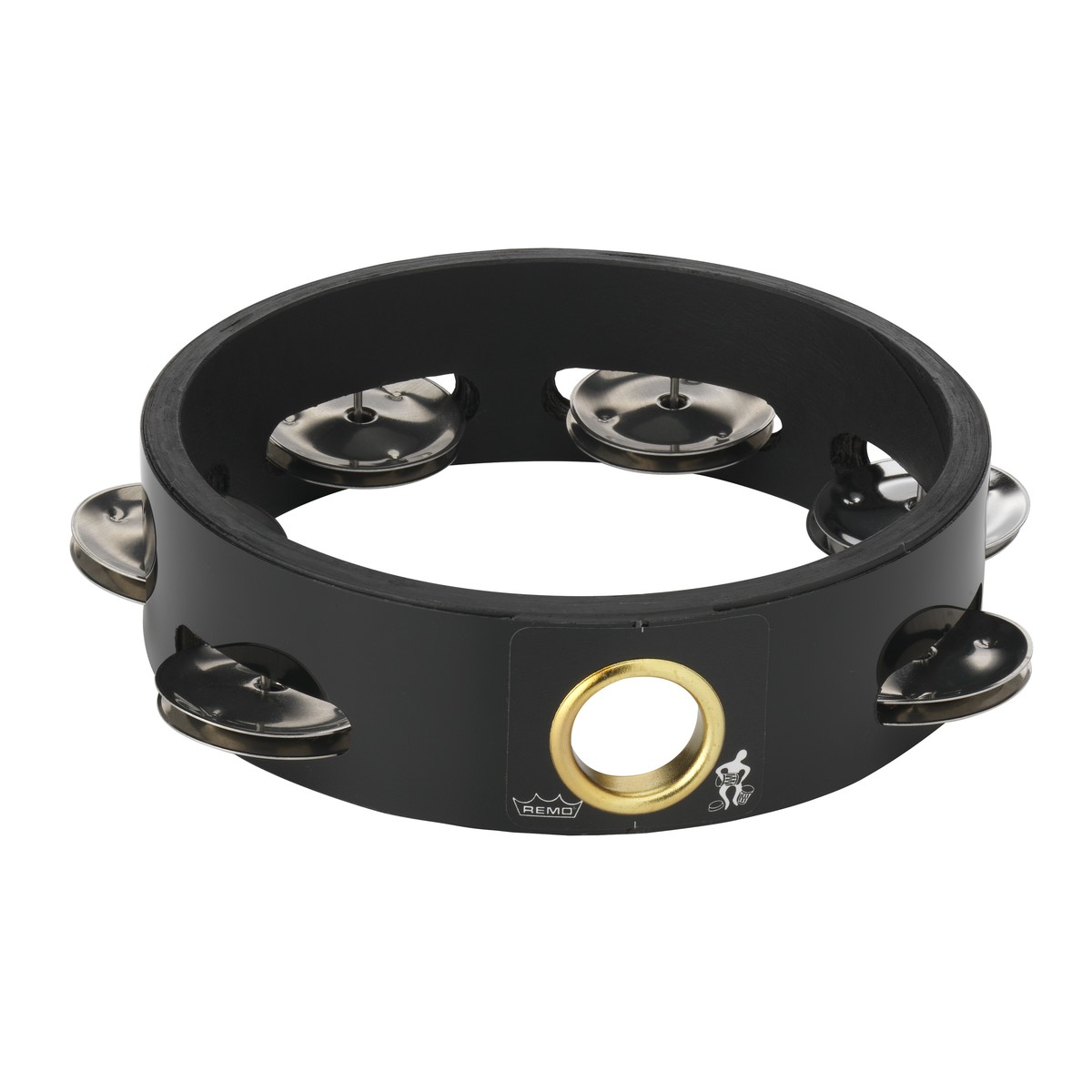 €27.87
Remo
Remo 6 Single Row Headless Tambourine Black
 €21.04
Meinl
Meinl Percussion Heel Tambourine Black
 €57.62
Seydel Harmonicas
Seydel 1847 Session Steel Blues Harmonica C Summer Edition 2026
 €18.81
Fender
Fender Blues Deluxe Harmonica A
 €27.99
Meinl
Meinl Spin Spark Shaker Black Nickel
 €9.67
Meinl
Meinl Small Plastic Egg Maracas Black
Frequently asked questions
- What is the primary purpose of the Hohner PentaHarp?
- The PentaHarp is designed to make playing blues scales easier by using a minor pentatonic layout with an added blue note. This allows players to access these scales without needing to master the technique of note bending.
- How does the PentaHarp differ from a standard Hohner Special 20?
- While it shares the same ABS comb and recessed reed plate design as the Special 20, the PentaHarp features a completely different internal tuning. The Special 20 uses standard Richter tuning, whereas the PentaHarp uses a minor pentatonic scale layout.
- Is the comb on the PentaHarp durable?
- Yes, the instrument features an ABS plastic comb. This material is chosen for its durability as it does not swell, shrink, or crack when exposed to moisture from the player's breath.
- Can I play a full blues scale on this harmonica?
- Yes, the PentaHarp is capable of playing three complete blues scales across its range. The addition of the blue note directly into the layout facilitates this without the need for advanced techniques.
- Why is the PentaHarp recommended for guitarists?
- Many guitarists rely heavily on the minor pentatonic scale for soloing. The PentaHarp uses this same scale logic, making it more intuitive for guitar players to pick up and play compared to a standard Richter-tuned harmonica.
- Does the blow-draw cycle change at higher holes?
- No, the layout of the PentaHarp is designed so that the blow-draw cycle does not need to change on holes 6 and 7. This provides a more consistent playing experience across all ten holes.
- What is the benefit of recessed reed plates?
- Recessed reed plates are tucked into the comb rather than sitting on top of it. This design prevents the brass plates from irritating the player's lips, offering superior comfort and better airtightness.
- What scale is the PentaHarp based on?
- It is based on the minor pentatonic scale. This five-note scale is the foundation for much of modern blues, rock, and soul music.
- Is this harmonica suitable for absolute beginners?
- Yes, it is highly recommended for beginners interested in blues. It removes the technical barrier of bending notes, allowing new players to sound 'musical' and stay in key more easily.
- How does the price of the PentaHarp compare to other Hohner models?
- The PentaHarp typically retails for approximately EUR 44. This places it in the mid-range of professional-quality harmonicas, similar in price to the standard Special 20.
- What key is this specific model tuned to?
- This specific model is the PentaHarp Minor Pentatonic Harmonica in the key of E. Note that the layout is always minor pentatonic regardless of the root key.
- Is the PentaHarp considered hand percussion?
- While typically classified as a wind instrument (free-reed aerophone), in some retail and logistical contexts it is grouped with hand-held accessories or hand percussion categories due to its portable, hand-played nature.
Sources
Last updated: