
Gear article
Fender 1-Button Footswitch On/Off
The Fender 1-Button Footswitch On/Off is a utility accessory designed to provide remote control for specific Fender amplifier functions. Primarily used for channel switching or effect toggling, it is an essential replacement part for contemporary Fender amplifiers like the Mustang and Blues Junior series.

Overview
The Fender 1-Button Footswitch is a straightforward utility pedal designed to restore or expand the functionality of compatible Fender guitar amplifiers. Built with a focus on simplicity and reliability, it allows players to interact with their amplifier hands-free, which is crucial for live performance and studio recording settings. The unit typically features a rugged metal chassis designed to withstand the rigours of stage use, adhering to the standard aesthetic and build quality associated with the Fender brand.
Compatibility and Functionality
This specific footswitch is engineered for use with a defined range of Fender amplifiers. It is officially supported for use with:
- Mustang I and Mustang II digital modelling amplifiers.
- Fender FM Series amplifiers.
- The Fender Blues Junior valve amplifier.
Depending on the specific amplifier model it is connected to, the button acts as a toggle. For modelling amps like the Mustang series, it is often used to switch between two presets or toggle an effect. For valve amps like the Blues Junior, it typically controls the 'Fat' switch, allowing the player to engage a mid-boost remotely.
Design and Build
The design is minimalistic, featuring a single mechanical switch mounted on a durable housing. This simplistic approach ensures high reliability, as there are fewer internal components prone to failure. The unit serves as a direct replacement for the original footswitches that may have been lost or damaged, ensuring that owners of contemporary Fender amps can maintain the full operational capacity of their gear without resorting to third-party alternatives that may not offer the same fit or finish.
Target Audience
This accessory is primarily suited for guitarists who own the specific compatible Fender amplifier models mentioned. It is particularly useful for players who require the ability to change tones mid-song without reaching for the amplifier's control panel. Because it is priced affordably at approximately £25, it serves as an accessible 'must-have' for musicians who value the specific 'on/off' functionality provided by the original equipment manufacturer.
Comparison to Alternatives
While there are many universal 1-button footswitches on the market, the Fender 1-Button Footswitch is designed to guarantee compatibility with the internal switching logic of Mustang and FM series amps. Compared to more complex multi-button controllers, this unit offers a smaller footprint on a pedalboard. It is a more focused tool than the larger Fender 4-button switches, which are intended for higher-tier Mustang models. For those seeking basic parts and spares, this unit is often preferred over generic alternatives to ensure the 'legendary Fender quality' is maintained across the entire signal chain.
Related gear
 €23.93
EVANS
Evans MS3 Clear Marching Snare Side Drum Head 14"
 €29.39
Tama
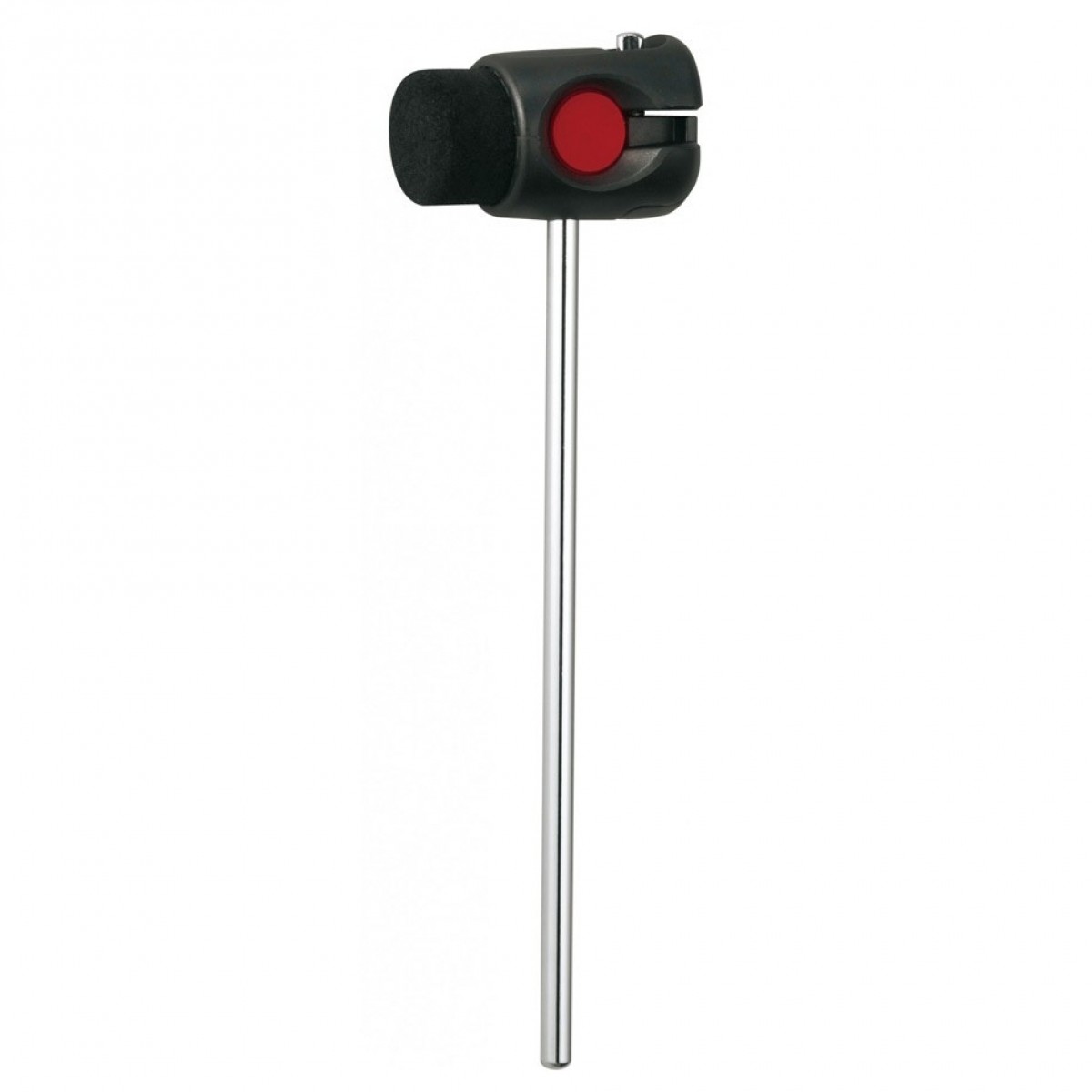
Tama CB900PS Accu-Strike Iron Cobra Beater
 €30.57
Gotoh
Gotoh 203B-4 Bass Bridge Chrome
 €128.18
Fender
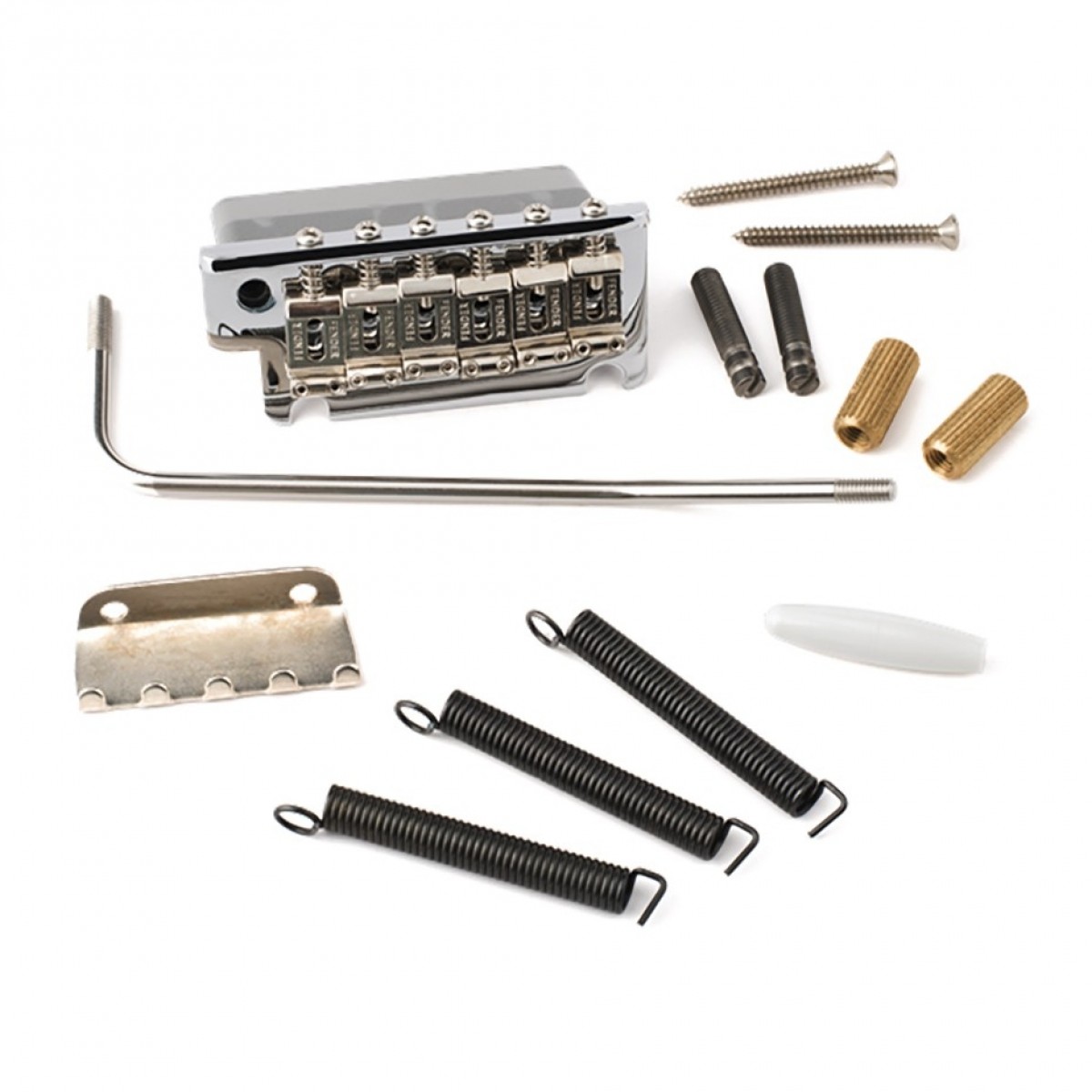
Fender American Standard Stratocaster Tremolo Bridge Assembly Chrome
 €63.50
Fender
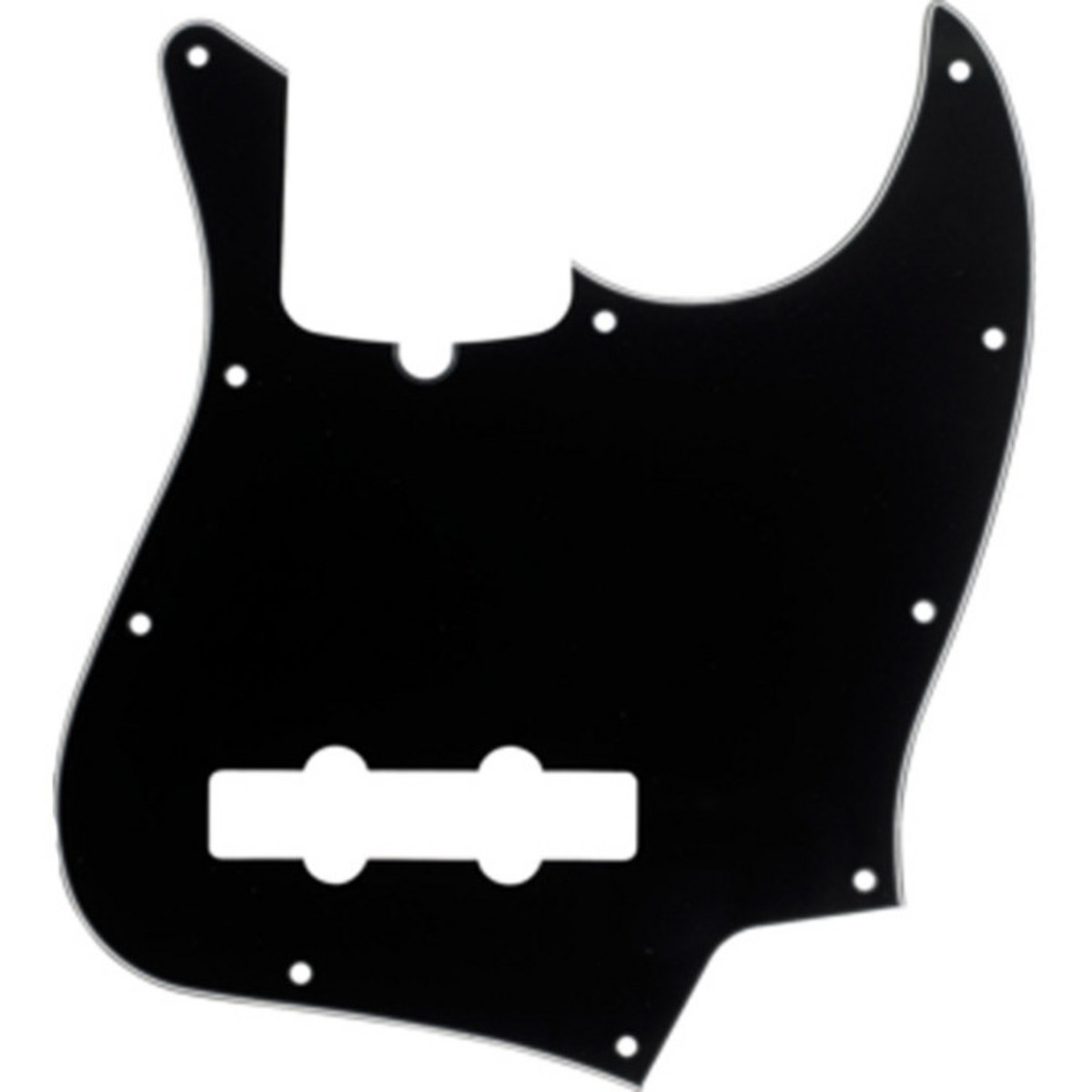
Fender 10-Hole Contemporary Jazz Bass Pickguard 3-Ply Black
 €13.51
Fender
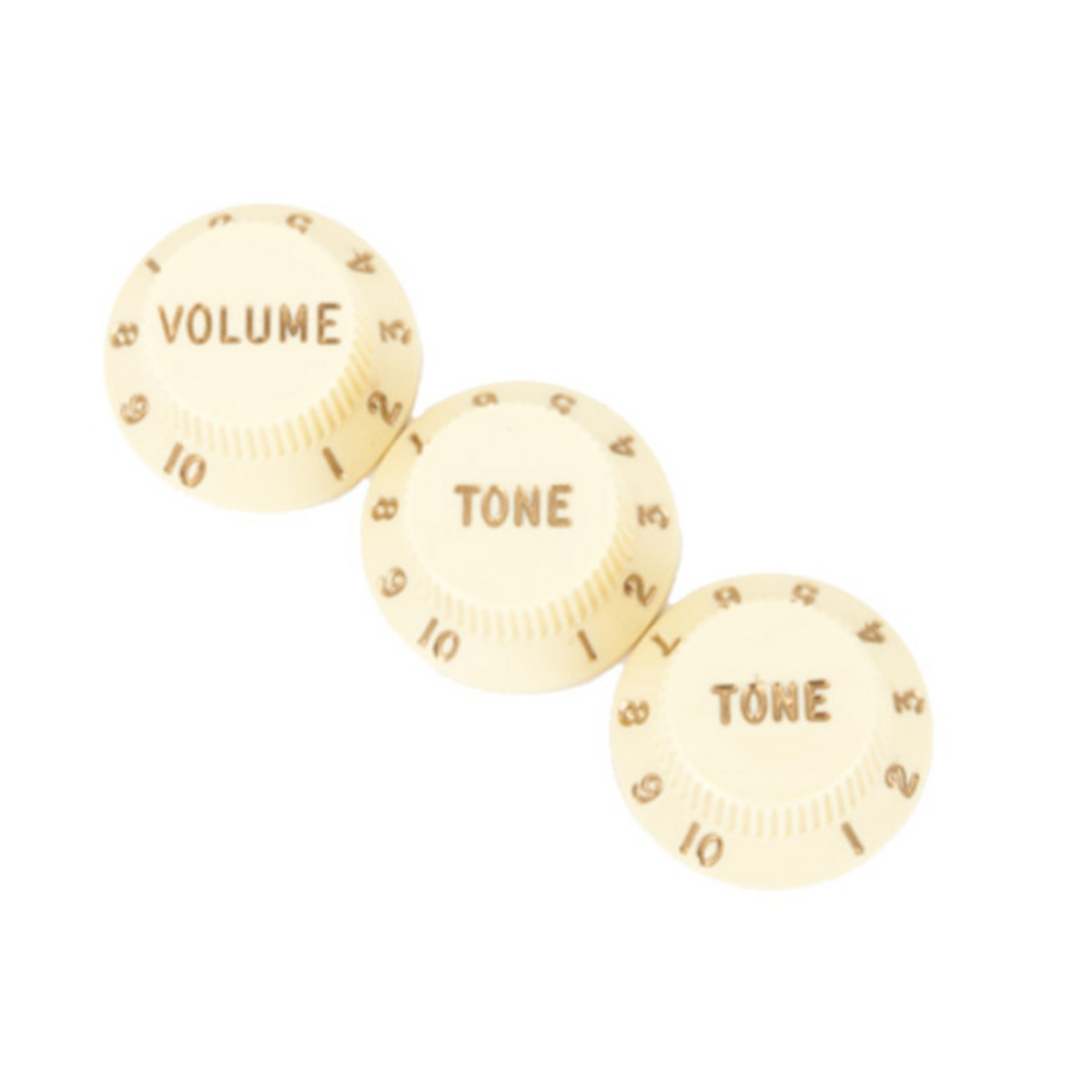
Fender Stratocaster Knobs 1 Volume 2 Tone Aged White
 €9.40
Fender
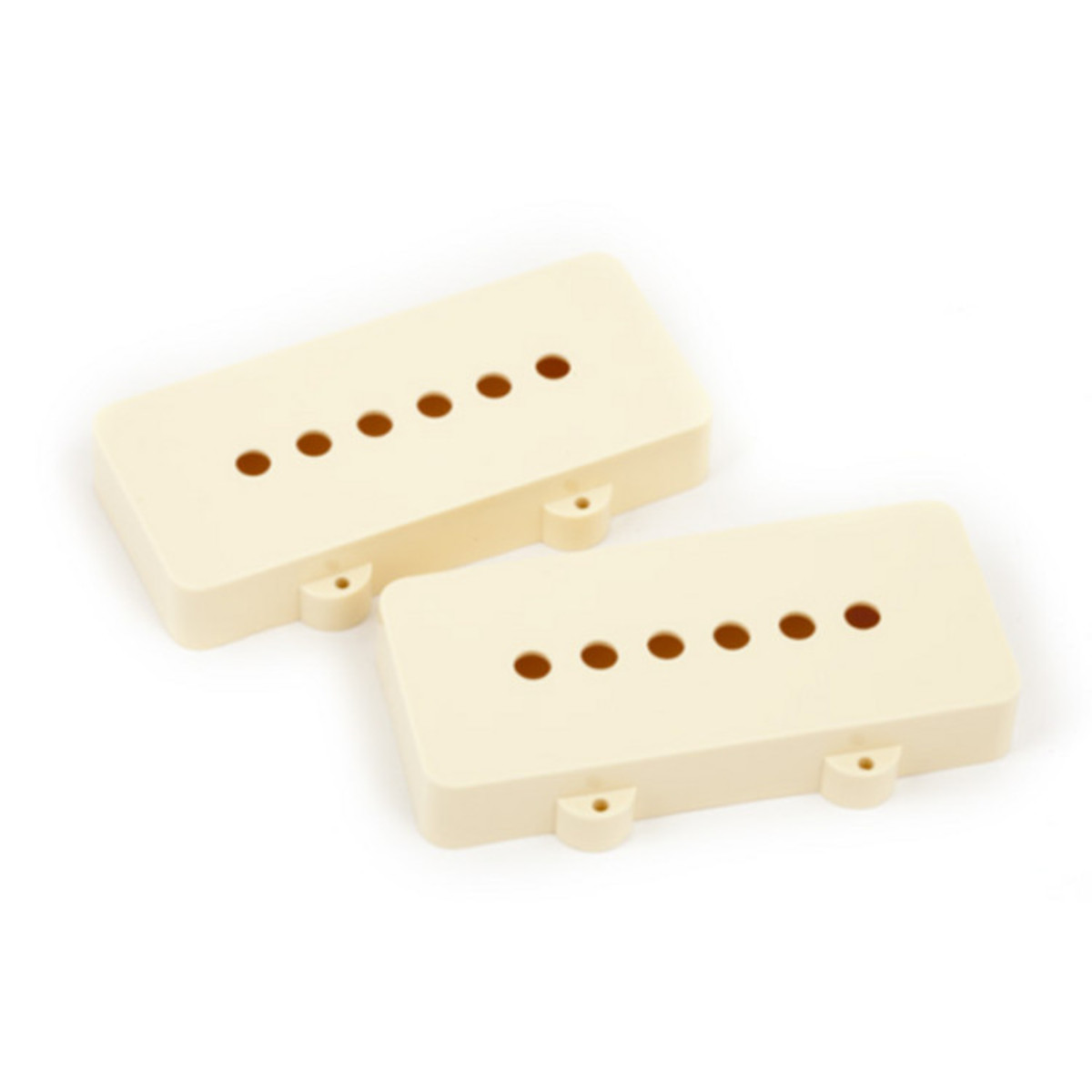
Fender Jazzmaster Pickup Covers Aged White
 €2.93
Gear4Music
5A Wood Tip Maple Drumsticks by Gear4music
Frequently asked questions
- What amplifiers are compatible with the Fender 1-Button Footswitch?
- It is specifically designed for the Fender Mustang I, Mustang II, FM Series amplifiers, and the Blues Junior. Use with other models may result in incorrect functionality depending on the amp's switching circuit.
- Does this footswitch work with the Fender Blues Junior?
- Yes, it is one of the primary compatible models listed by the manufacturer. It is typically used to toggle the 'Fat' circuit on the amplifier.
- Can I use this for the Fender Mustang I and II?
- Yes, it is fully compatible with both the Mustang I and Mustang II modelling amplifiers. It allows for convenient toggling of presets or effects.
- What is the typical price for this accessory?
- The typical price range for this Fender 1-Button Footswitch is approximately £25.00. This makes it an affordable official replacement part.
- Is the connection cable included?
- Fender designs these as complete units for restoring functionality. While specific cable lengths can vary by production batch, it is designed to plug directly into the 'Footswitch' jack on the back of the compatible amp.
- What is the primary function of the button?
- It is a simple 'On/Off' toggle switch. Depending on the amplifier, it either switches channels, toggles an effect, or engages a boost like the Blues Junior's 'Fat' switch.
- Is this footswitch made of plastic or metal?
- Following Fender's standard for quality, these footswitches generally feature a durable metal housing. This ensures it can withstand being stepped on repeatedly during performances.
- Can I use this with a Fender Jazzmaster or Stratocaster?
- No, this is an amplifier accessory, not a guitar part. While Fender produces parts like Jazzmaster pickup covers or Stratocaster tremolo bridges, this footswitch is strictly for amplifier control.
- Does this require a battery to operate?
- No, this is a passive switching device that receives the necessary current from the amplifier itself. It does not require external power or batteries.
- Is this a latching or momentary switch?
- This is a latching 'On/Off' switch. This means it stays in the position you click it into until you press it again, which is required for the Mustang and Blues Junior switching circuits.
- Can I use this switch with other brands like Tama or Evans gear?
- No, this is a Fender-specific electronic part. Items like Tama beaters or Evans drum heads are for percussion and are not electronically compatible with guitar amplifier switching systems.
- Why should I buy the official Fender version instead of a generic one?
- The official Fender footswitch ensures the correct resistance and latching type for Fender amplifiers. It also maintains the aesthetic consistency and build quality associated with the Fender brand.
Sources
Last updated: