
Gear article
Enttec Ode Mk3
The Enttec Ode Mk3 is a professional-grade network-to-DMX interface designed to convert Ethernet protocols into 5-pin XLR signals. It supports bidirectional communication and handles up to two universes of DMX, making it a critical component for distributing control signals in large-scale lighting environments.

Overview
The Enttec Ode Mk3 serves as a robust bridge between lighting control software and physical lighting fixtures. By converting DMX-over-Ethernet protocols into standard 5-pin XLR signals, it allows for high-speed, reliable data transmission across modern network infrastructures. It is specifically engineered for professional environments such as theatres, outdoor festivals, and large-scale music venues where stability and low latency are paramount.
Key Features and Technical Specifications
The device offers a dual-universe capability, meaning it can manage up to 1024 channels of DMX. It features a 10/100 Mbps network speed and provides an adjustable output refresh rate, allowing users to fine-tune performance based on the requirements of their specific fixtures.
One of its most significant technical advantages is its bidirectionality, functioning as either an input or an output device. It supports a wide range of industry-standard protocols including Art-Net, sACN, and ESP. Furthermore, it supports both broadcast and unicast modes within the Art-Net and ESP protocols, providing flexibility for different network architectures.
Professional Applications
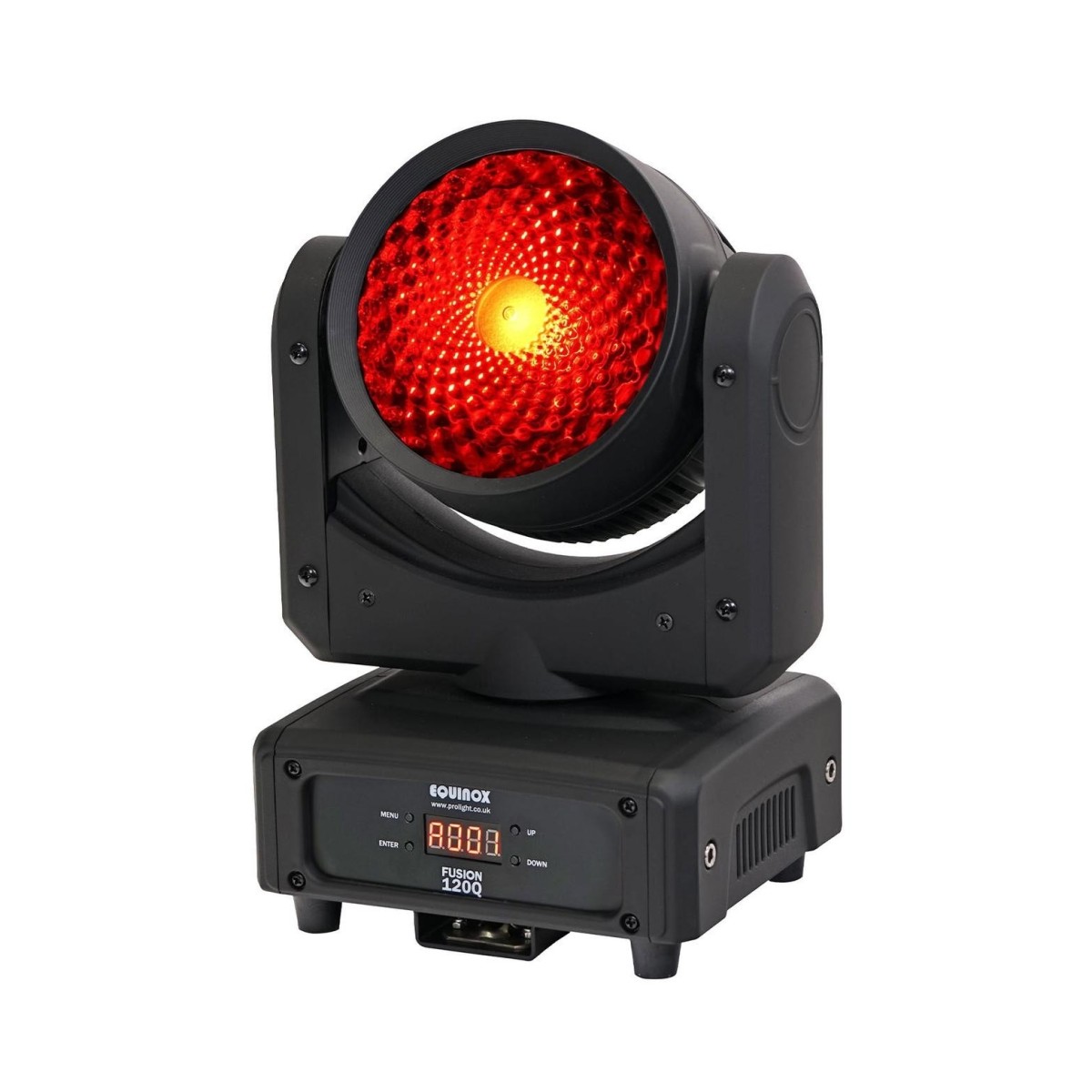
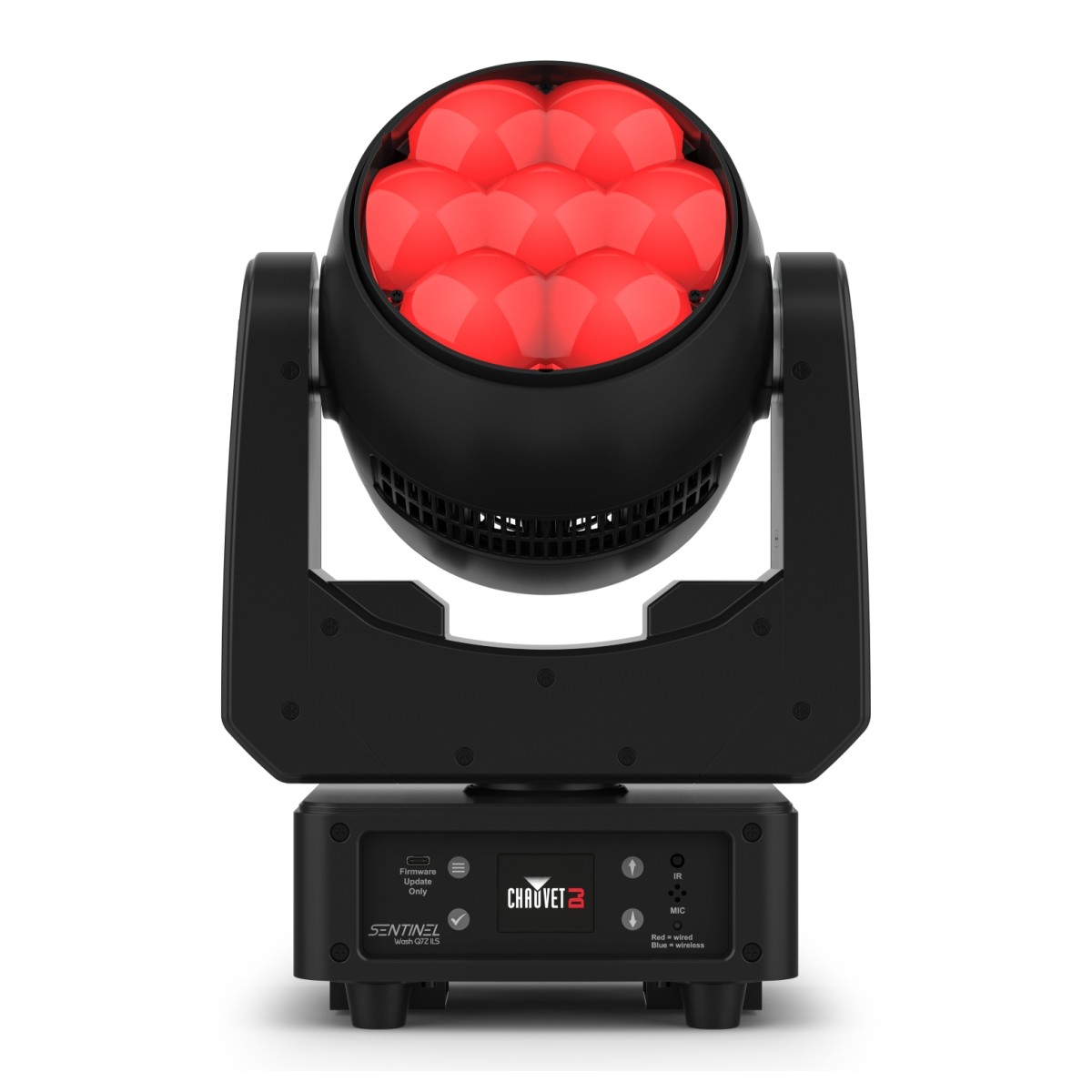
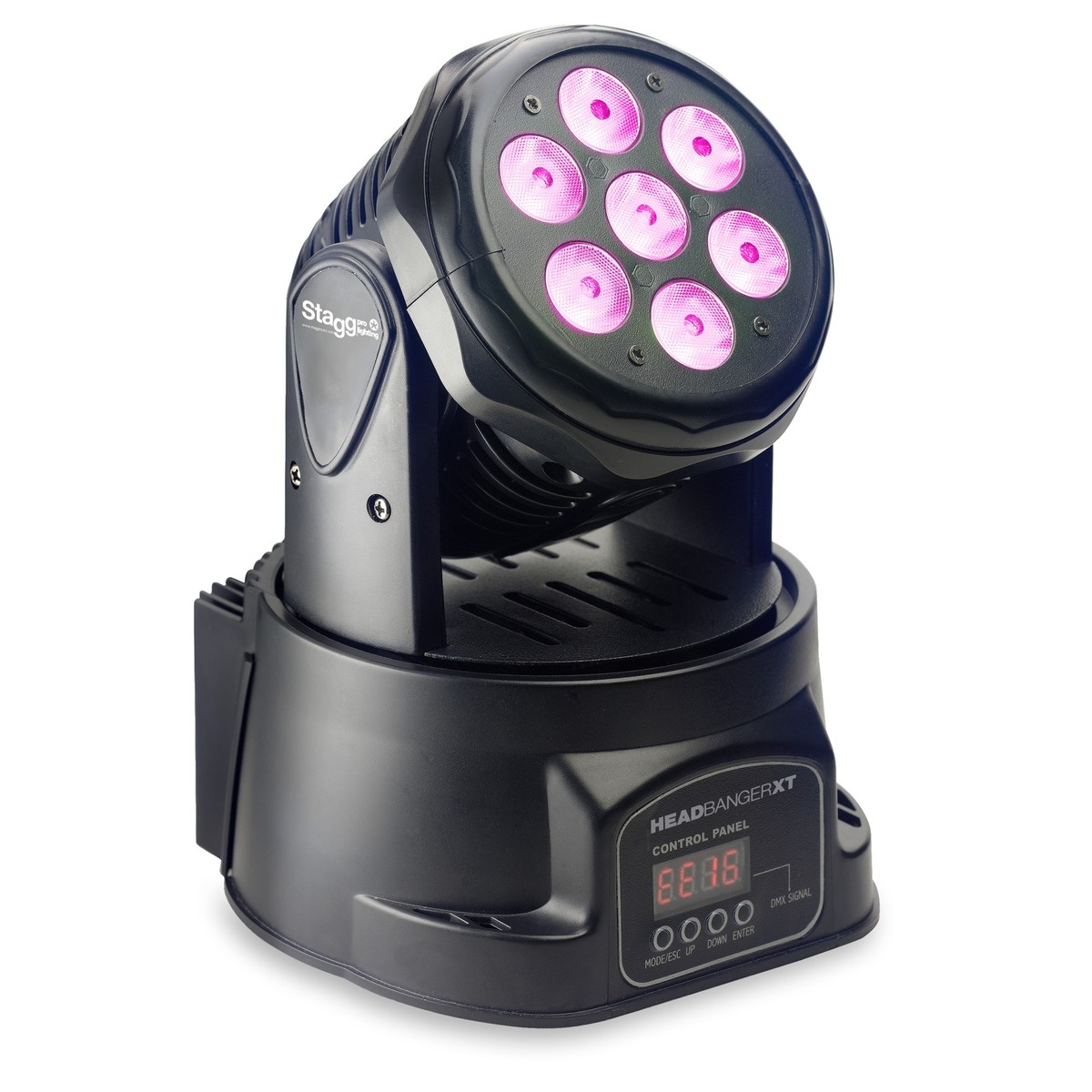
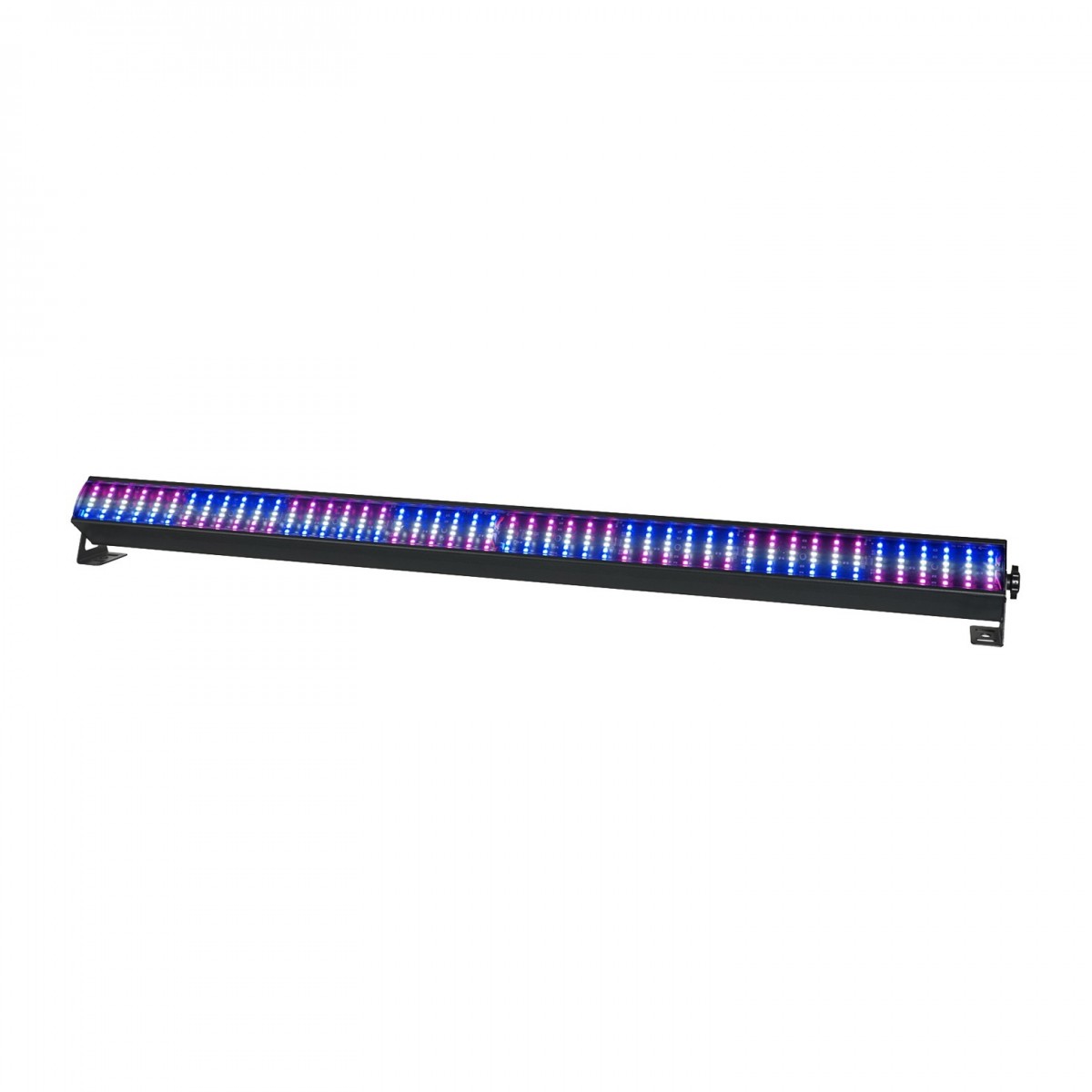
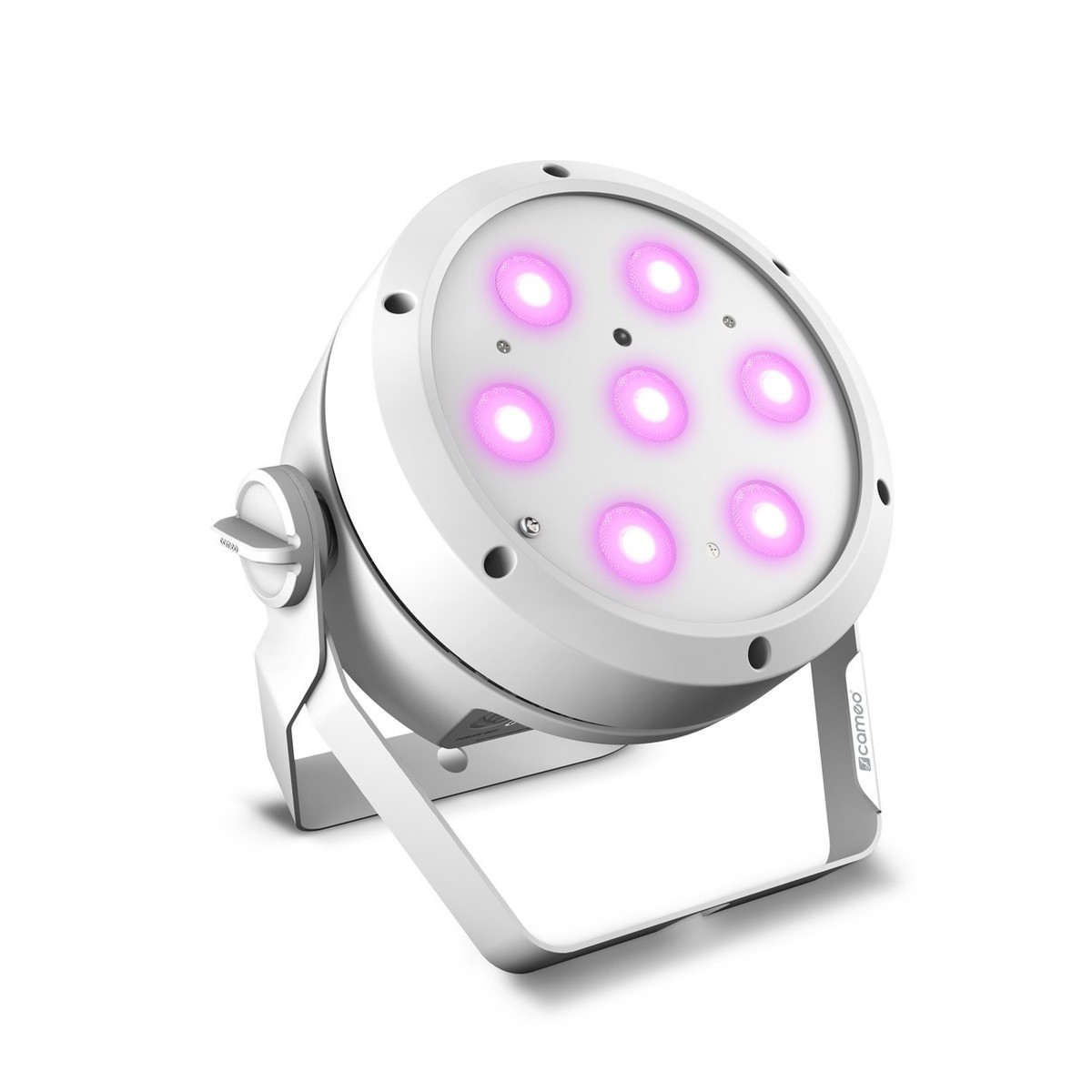
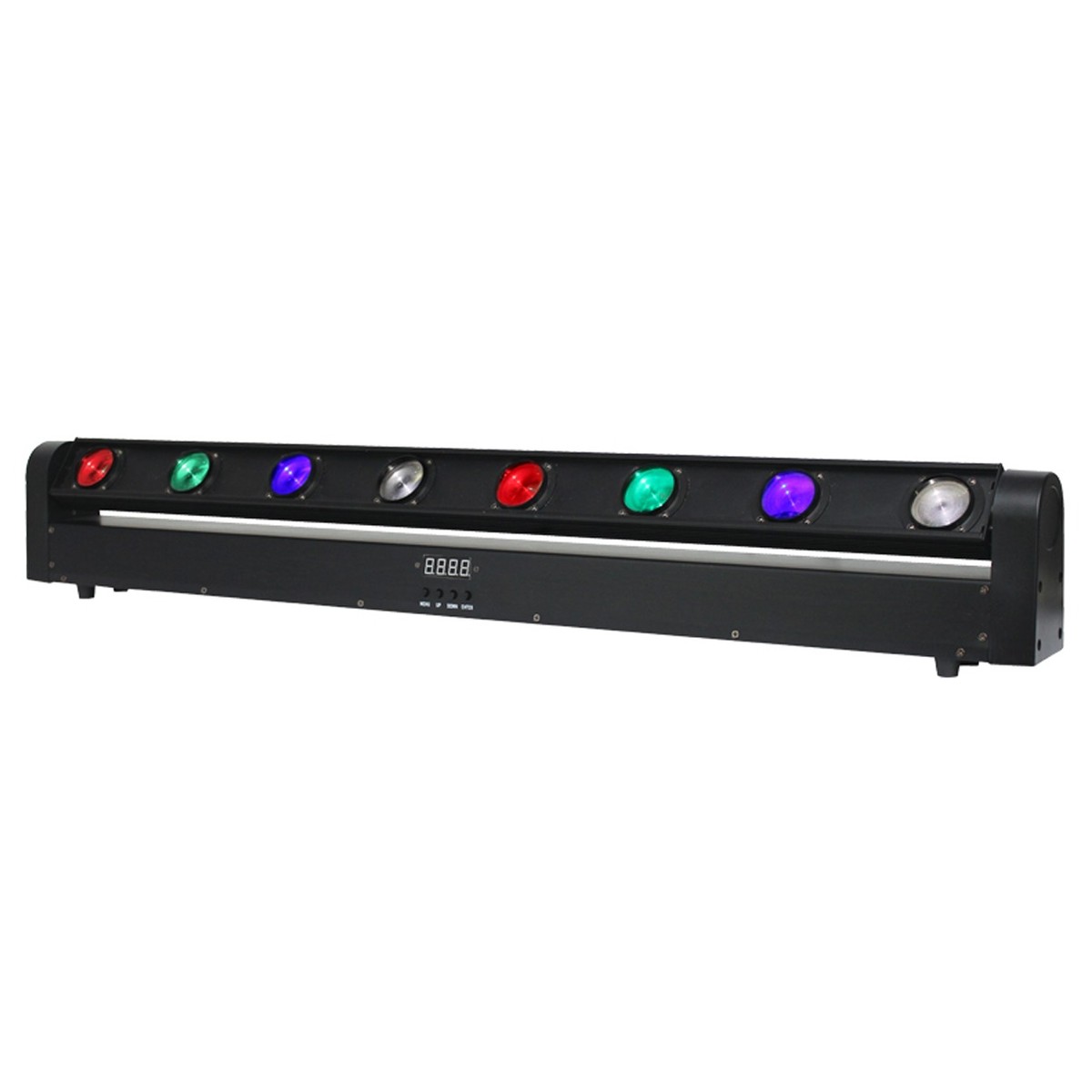
Due to its high universe count and protocol flexibility, the Ode Mk3 is typically utilised by lighting designers and technicians managing complex rigs. It is suitable for controlling a variety of professional fixtures, ranging from moving heads like the Chauvet DJ Sentinel Wash Q7Z ILS and Equinox Fusion 120Q, to atmospheric and architectural lighting such as the Equinox Spectra Strobe Batten or the Cameo ROOT PAR 4. The device is built to handle the rigorous demands of live performance, ensuring that data packets are delivered accurately to devices like the Stagg Headbanger XT or Equinox RGBW Swing Batten.
Comparison to Traditional Controllers
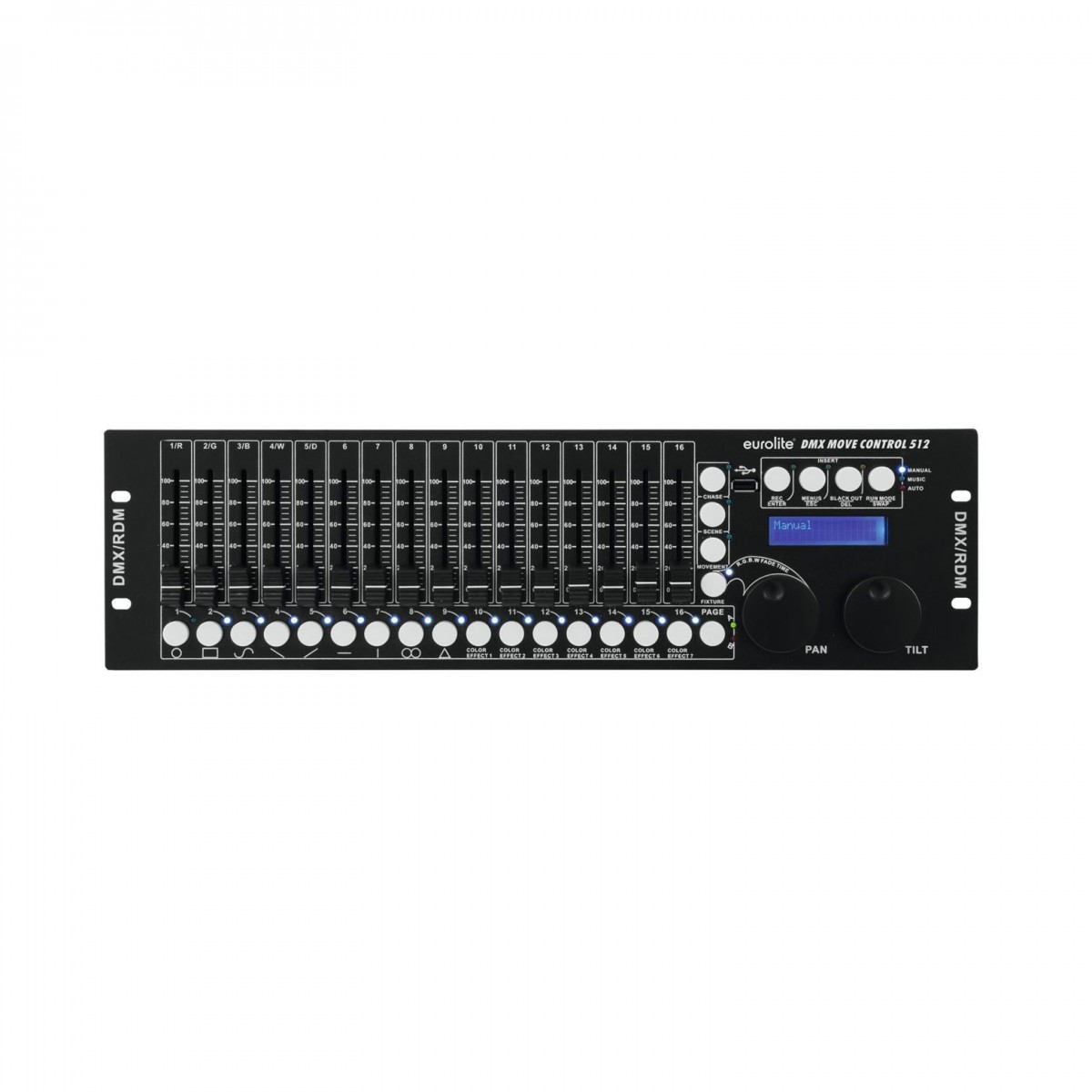
Compared to hardware-only solutions like the Eurolite Move 512 Channel DMX Controller, the Enttec Ode Mk3 offers significantly higher scalability. While a standalone console is limited by its physical faders and internal processing, the Ode Mk3 unlocks the full potential of advanced lighting software, allowing for much more intricate programming and integration into existing local area networks (LAN). Its ability to handle two universes simultaneously puts it ahead of basic single-universe converters often used in smaller setups.
Related gear
 €233.60
Equinox
Equinox Fusion 120Q LED Moving Head
 €664.40
Chauvet
Chauvet DJ Sentinel Wash Q7Z ILS Moving Head
 €290.45
Stagg
Stagg Headbanger XT RGBW 70W LED Mini Moving Head
 €82.31
GForce
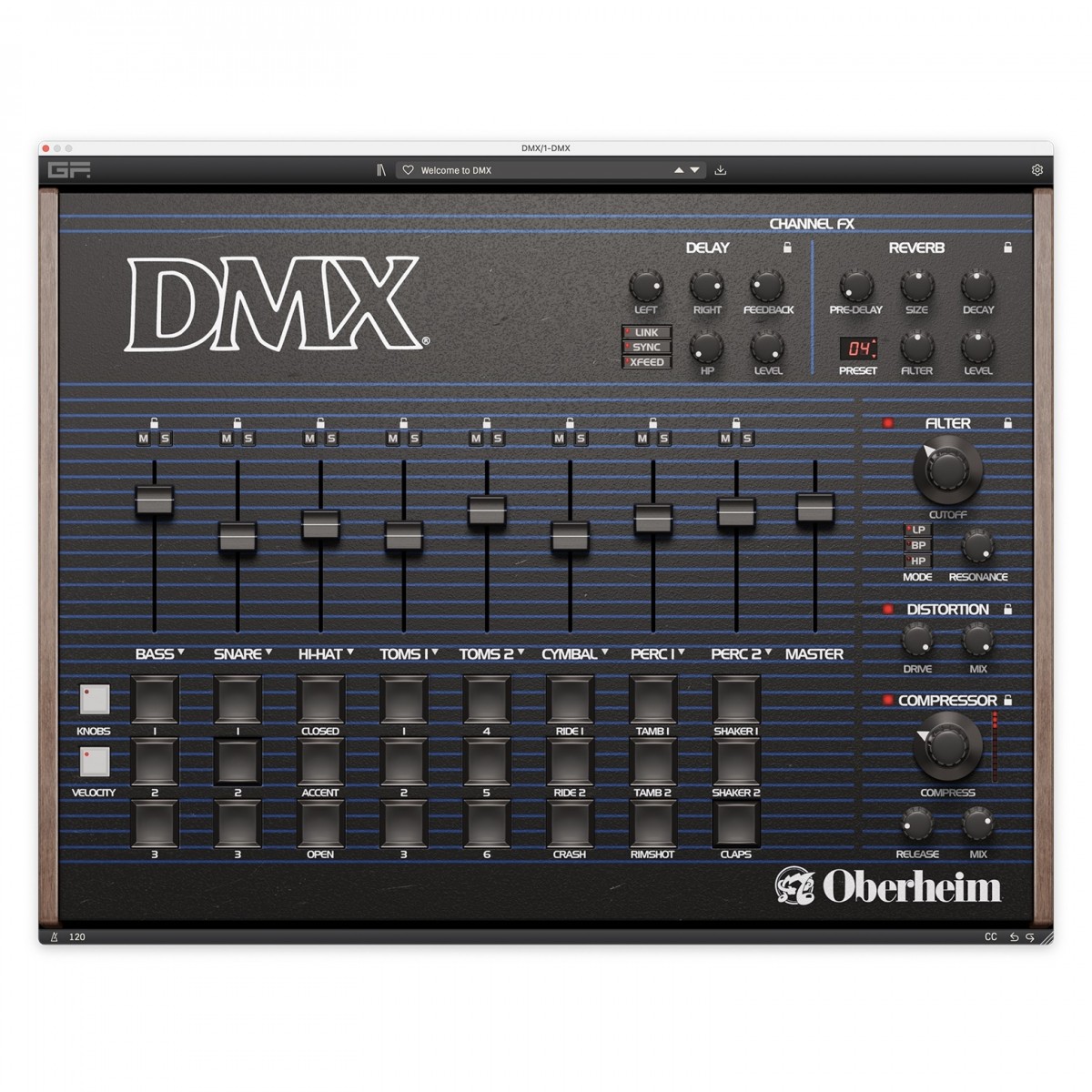
GForce Oberheim DMX
 €128.18
Equinox
Equinox Spectra Strobe Batten
 €103.48
Cameo
Cameo ROOT PAR 4 White 7 x 4 W RGBW LED PAR
 €188.44
Eurolite
Eurolite Move 512 Channel DMX Controller
 €295.57
Equinox
Equinox RGBW Swing Batten LED Bar Light
Frequently asked questions
- What is the primary function of the Enttec Ode Mk3?
- The Ode Mk3 is a network interface that converts DMX-over-Ethernet protocols into physical 5-pin XLR signals. It acts as a bridge between lighting control software and the lighting fixtures themselves.
- How many DMX universes can the Ode Mk3 handle?
- The device can receive and send up to two full universes of DMX. This provides control for up to 1024 individual DMX channels.
- Which network protocols does the device support?
- It supports a wide variety of protocols including Art-Net, sACN, and ESP. This makes it compatible with most professional lighting software packages on the market.
- Does the Ode Mk3 support bidirectional communication?
- Yes, the device is bidirectional. It can function as either a DMX-to-Ethernet input or an Ethernet-to-DMX output depending on the user's needs.
- What type of physical DMX connectors does it use?
- The Ode Mk3 is equipped with standard 5-pin XLR connectors. These are the industry standard for professional lighting data transmission.
- Can I adjust the refresh rate of the DMX output?
- Yes, the Ode Mk3 features an adjustable output refresh rate. This allows the user to ensure stable performance even with sensitive or older lighting fixtures.
- What are the Art-Net communication modes supported?
- The interface supports both broadcast and unicast modes for Art-Net. This allows for efficient data distribution depending on the complexity of the network.
- What is the network speed of the Ode Mk3?
- The device operates at a network speed of 10/100 Mbps. This provides sufficient bandwidth for high-speed, low-latency lighting control signals.
- Is this device suitable for outdoor use?
- While the device is designed for use in professional environments like outdoor festivals, it must be housed in a weather-protected environment. It is ideal for the signal distribution part of large outdoor rigs.
- Can the Ode Mk3 be used with the Chauvet DJ Sentinel Wash Q7Z ILS?
- Yes, it is fully compatible with professional fixtures like the Sentinel Wash Q7Z. It provides the necessary DMX control signals to manage the fixture's various parameters.
- How does the Ode Mk3 compare to a manual controller like the Eurolite Move 512?
- The Ode Mk3 offers more flexibility by allowing the use of computer-based software and handling two universes. The Eurolite Move 512 is a standalone hardware controller limited to one universe of 512 channels.
- Is the Ode Mk3 suitable for theatre installations?
- Yes, it is specifically recommended for theatres. Its ability to distribute signals over Ethernet makes it ideal for the complex wiring typical of modern theatre lighting grids.
Sources
Last updated: