
Gear article
Electro Harmonix Ripped Speaker Fuzz
The Electro Harmonix Ripped Speaker Fuzz is a versatile guitar effects pedal designed to emulate the grit and saturation of damaged amplifier speakers. It combines modern circuitry with vintage-voiced textures, offering a range of tones from smooth saturation to aggressive, snarled fuzz.

Overview
The Electro Harmonix Ripped Speaker Fuzz is a modern stompbox engineered to deliver 'old-school' fuzz textures. Its design concept is rooted in the early days of rock and roll, specifically referencing the DIY methods guitarists used to achieve distortion before dedicated effects pedals existed. The pedal is housed in a compact, durable chassis typical of the Electro Harmonix nano-series, featuring a simple yet innovative control layout intended for quick tone shaping.
History and Concept
The 'ripped speaker' sound is a reference to a specific era in music history where guitarists would intentionally damage their speaker cones—using tools such as razorblades—to produce a fuzzy, distorted sound that standard amplifiers of the time could not achieve. Electro Harmonix developed this pedal to capture that specific lo-fi, retro character while utilizing modern electronic components to ensure reliability and consistency that physical speaker damage cannot provide.
Controls and Functionality
The pedal features a revolutionary control layout that balances simplicity with deep versatility.
- Fuzz Control: Adjusts the amount of saturation and gain.
- Tone Control: An active EQ that can brighten the signal or add warmth.
- Rip Control: A unique bias-style adjustment that alters the clipping character. At lower settings, the signal remains smooth; as it is increased, the sound becomes choked and gated, mimicking a dying battery or a torn speaker cone.
Sound Character
Unlike some modern fuzz pedals that focus on high-gain wall-of-sound textures, the Ripped Speaker Fuzz is noted for its ability to produce richer and smoother tones. At moderate settings, it offers warm saturation that remains articulate. When pushed, it transforms into a thick, snarled, and gritty fuzz that retains a vintage personality. The 'Rip' dial allows users to move between a stable, singing sustain and a more volatile, lo-fi sputter.
Comparison to Alternatives
Within the Electro Harmonix catalogue, this pedal differs significantly from the iconic Big Muff Pi series. While the Big Muff is known for its heavy sustain and scooped midrange, the Ripped Speaker Fuzz focuses on a more mid-forward, lo-fi aesthetic. Compared to other vintage-style fuzzes, its active Tone and Rip controls provide more surgical precision over the final output, making it more adaptable to different guitar and amplifier combinations.
Related gear
 €114.06
Electro Harmonix
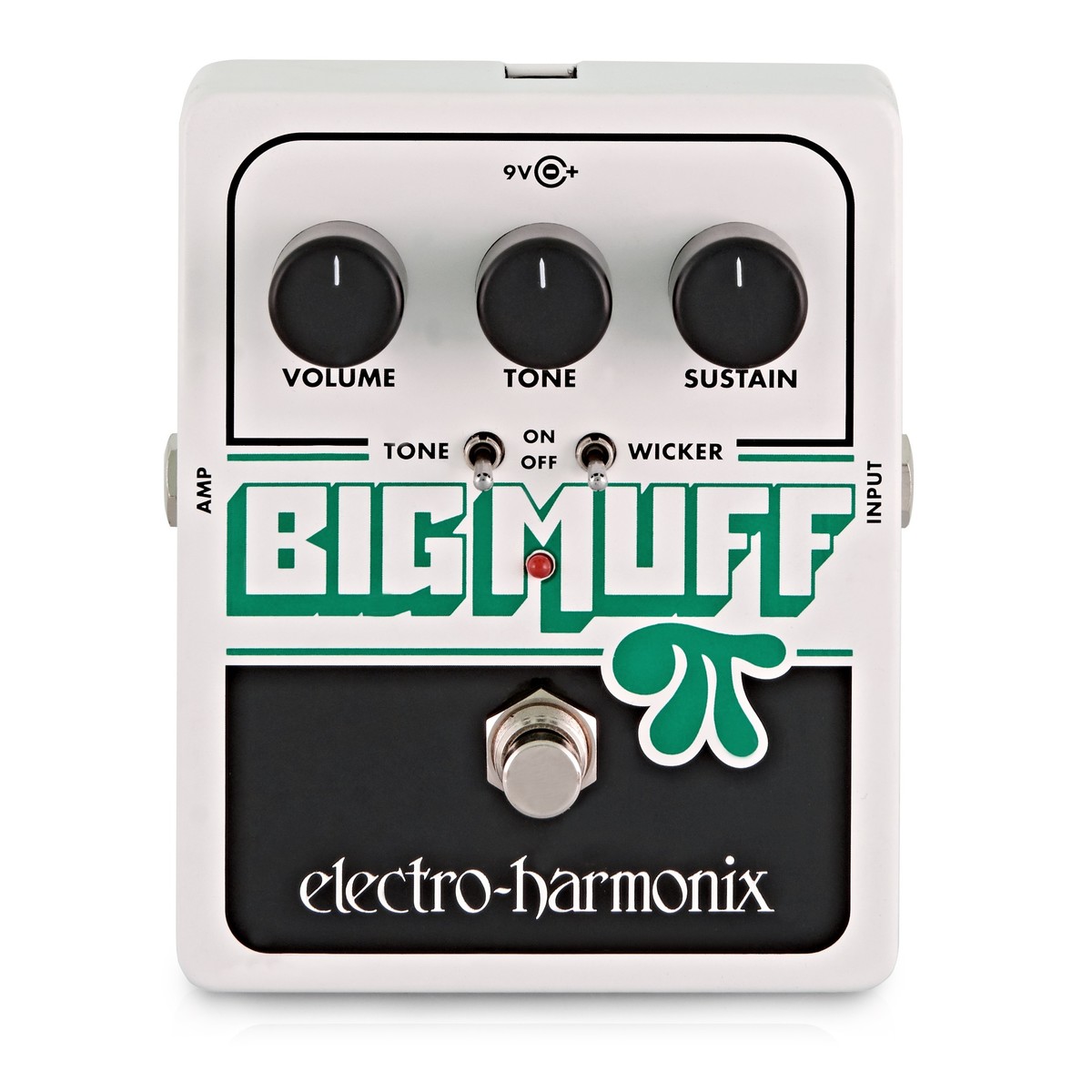
Electro Harmonix Big Muff Distortion Sustainer w/ Tone Wicker
 €139.94
Digitech
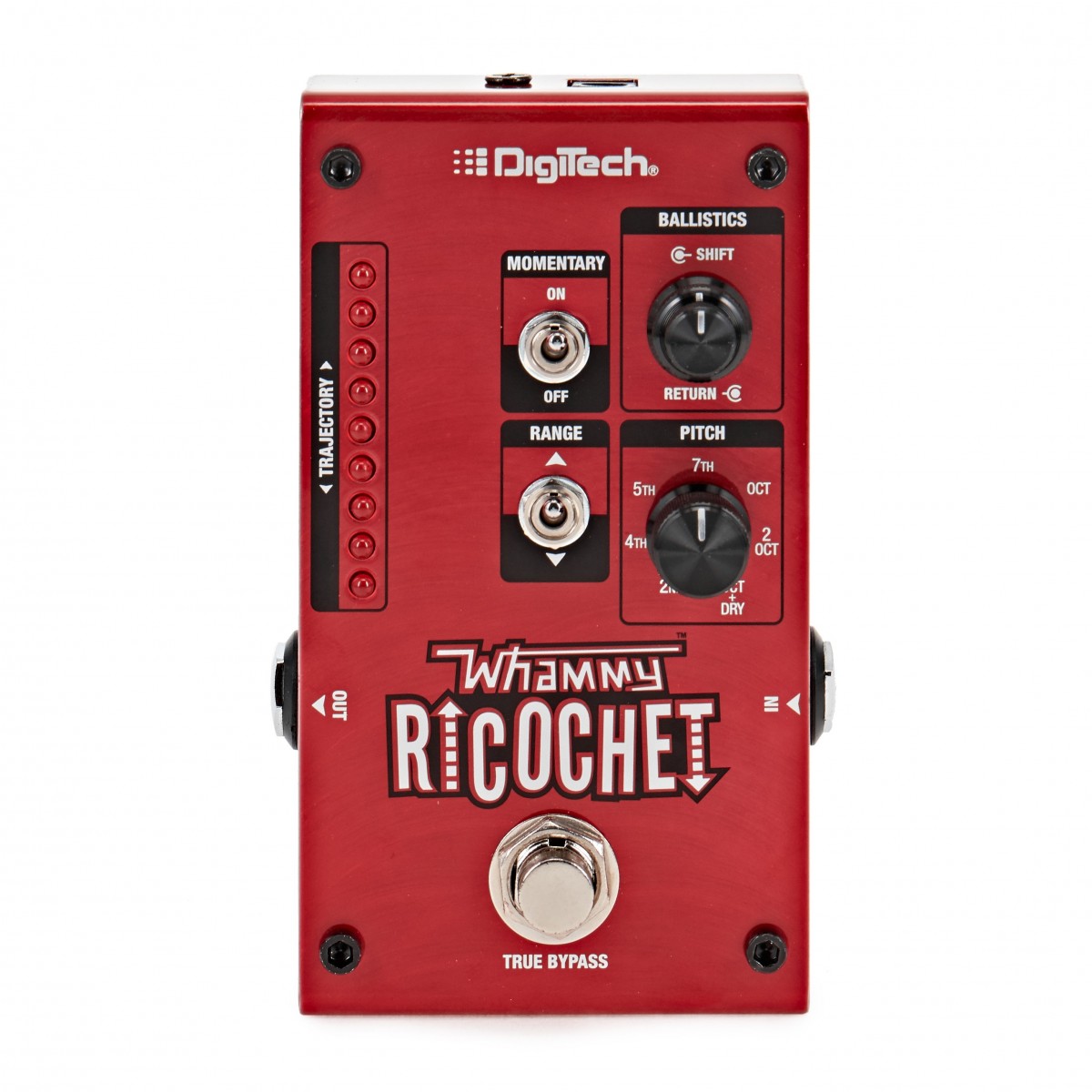
Digitech Whammy Ricochet Guitar Effects Pedal
 €99.95
Fender
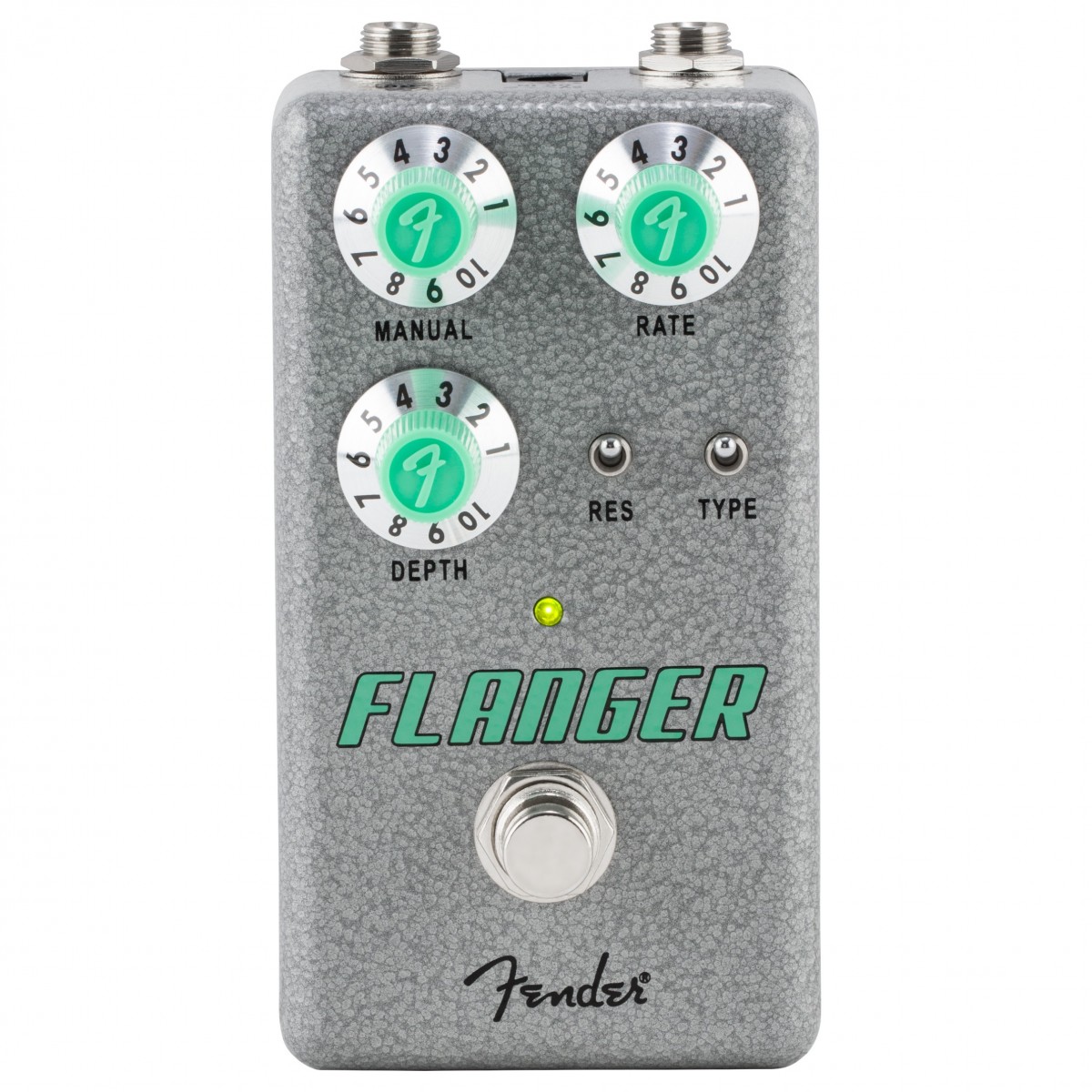
Fender Hammertone Flanger Pedal
 €27.05
Behringer
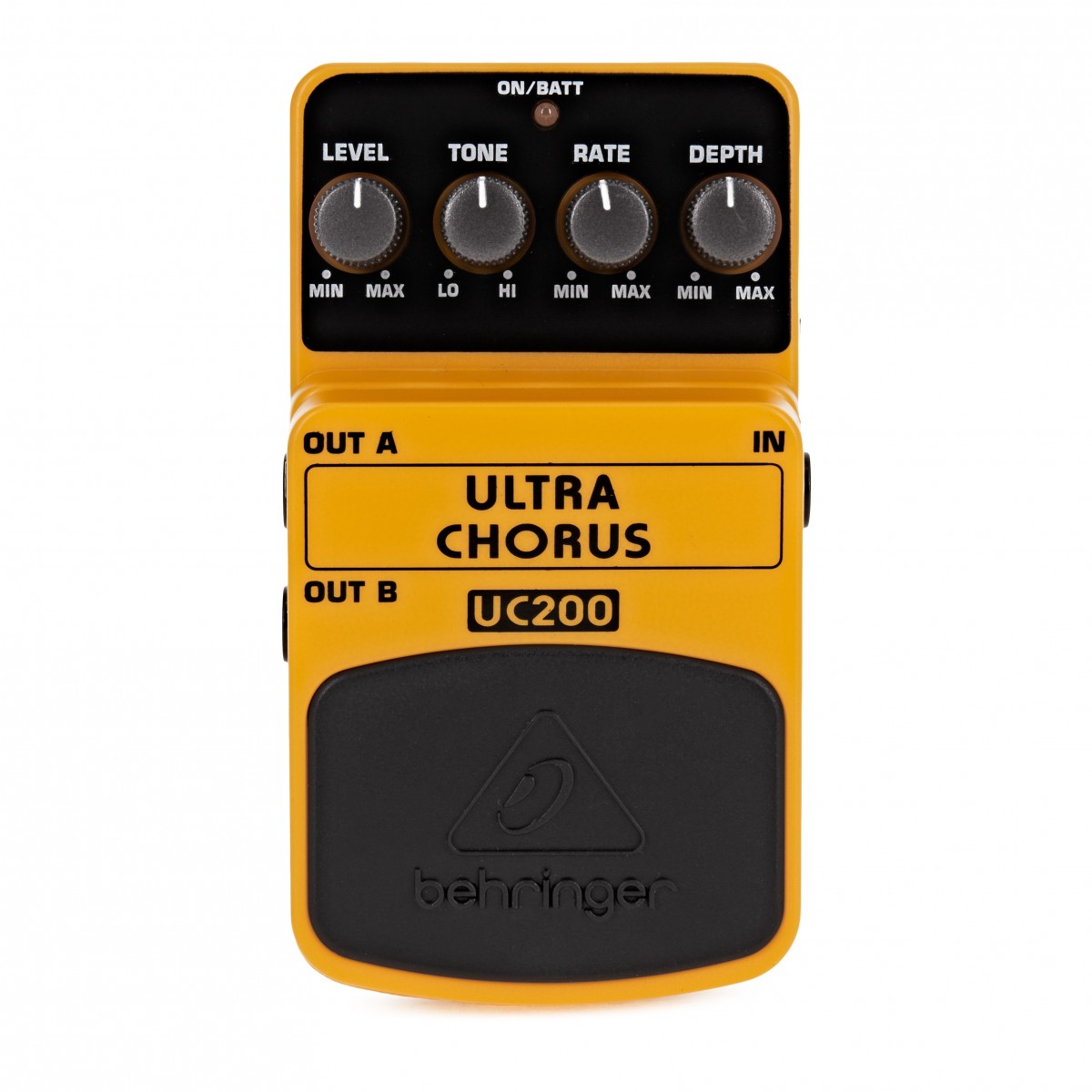
Behringer UC200 Ultra Chorus Pedal
 €304.56
Dunlop
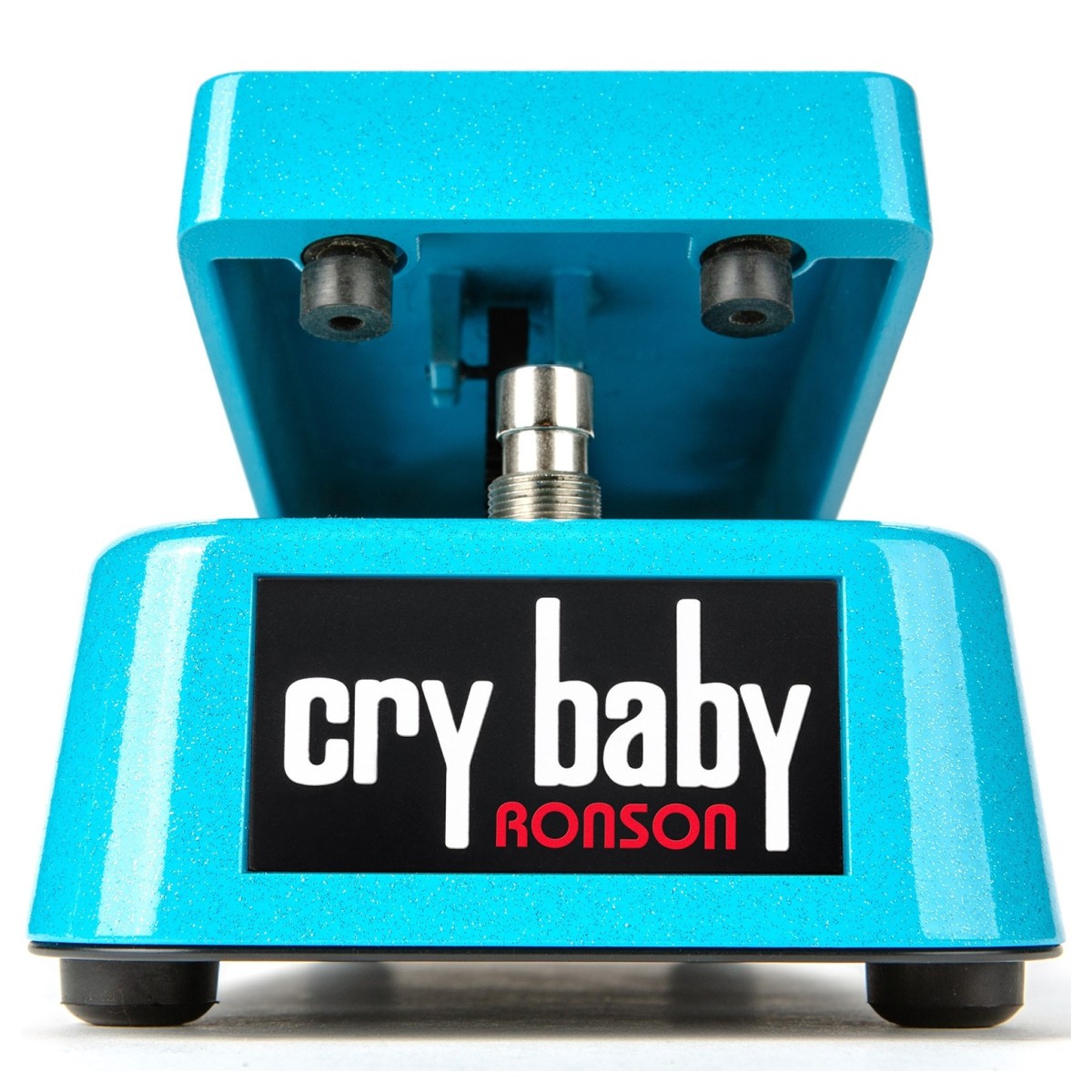
Dunlop Mick Ronson Cry Baby Wah
 €92.90
Yamaha
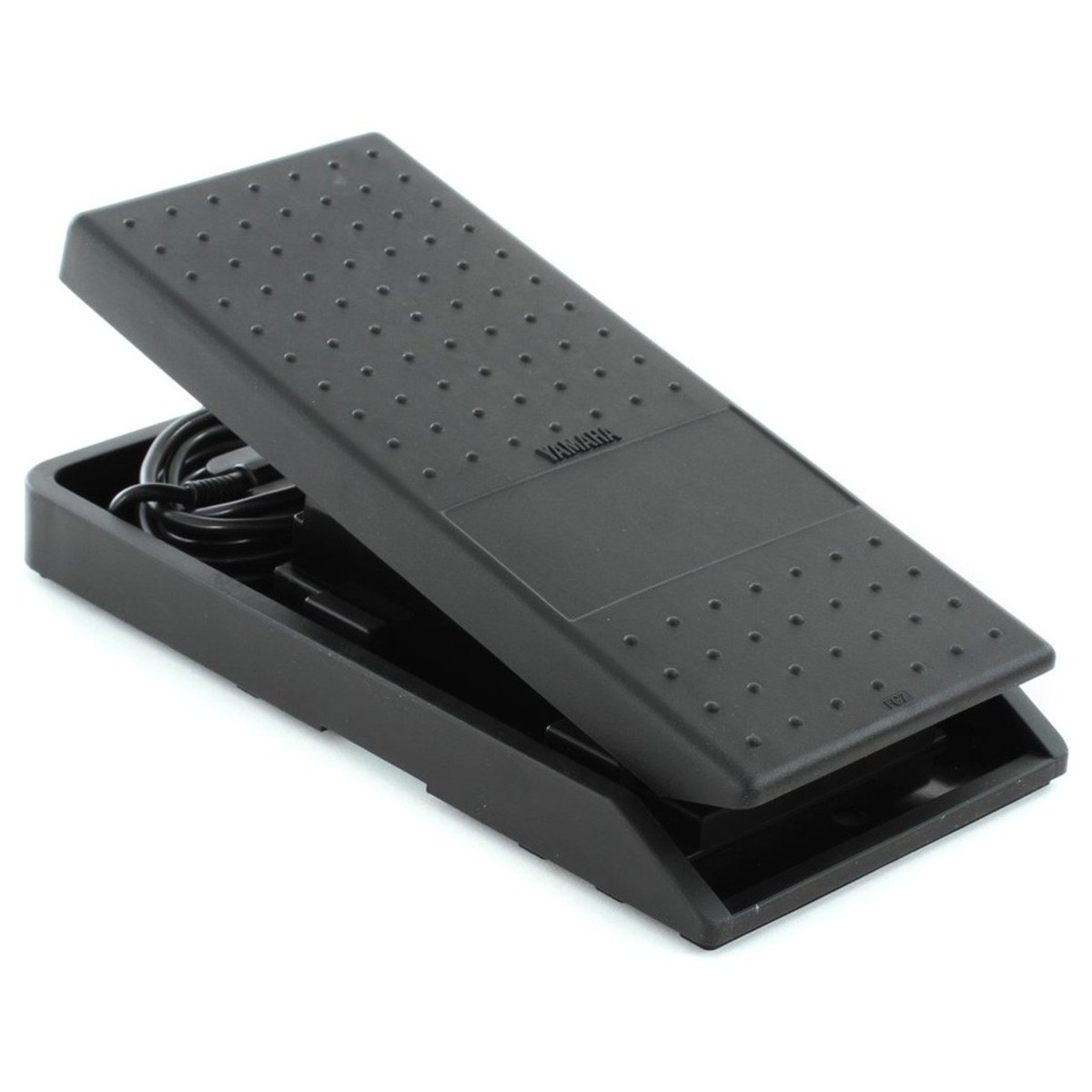
Yamaha FC7 Expression Pedal
 €156.50
Boss
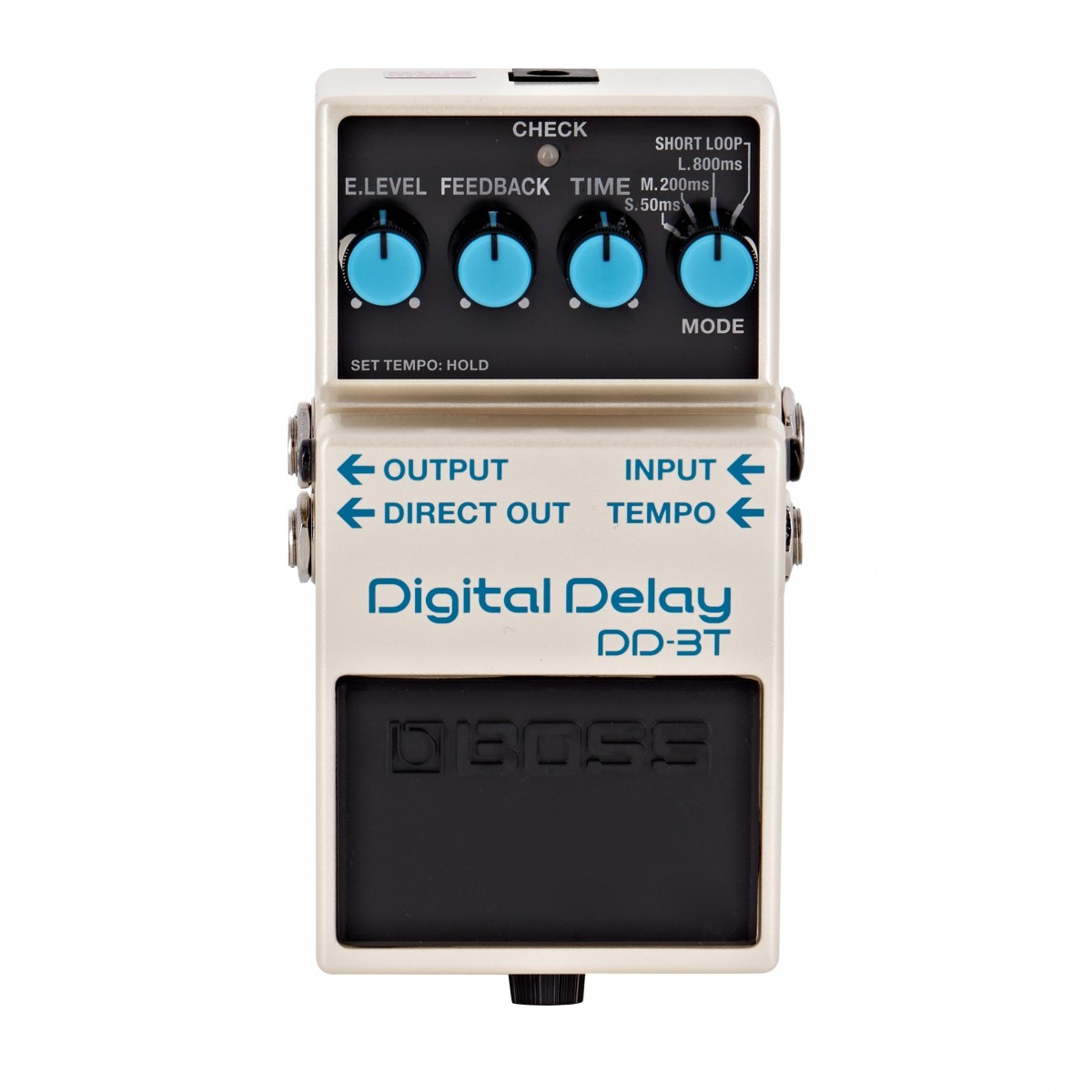
Boss DD-3T Digital Delay Pedal
 €116.53
Boss
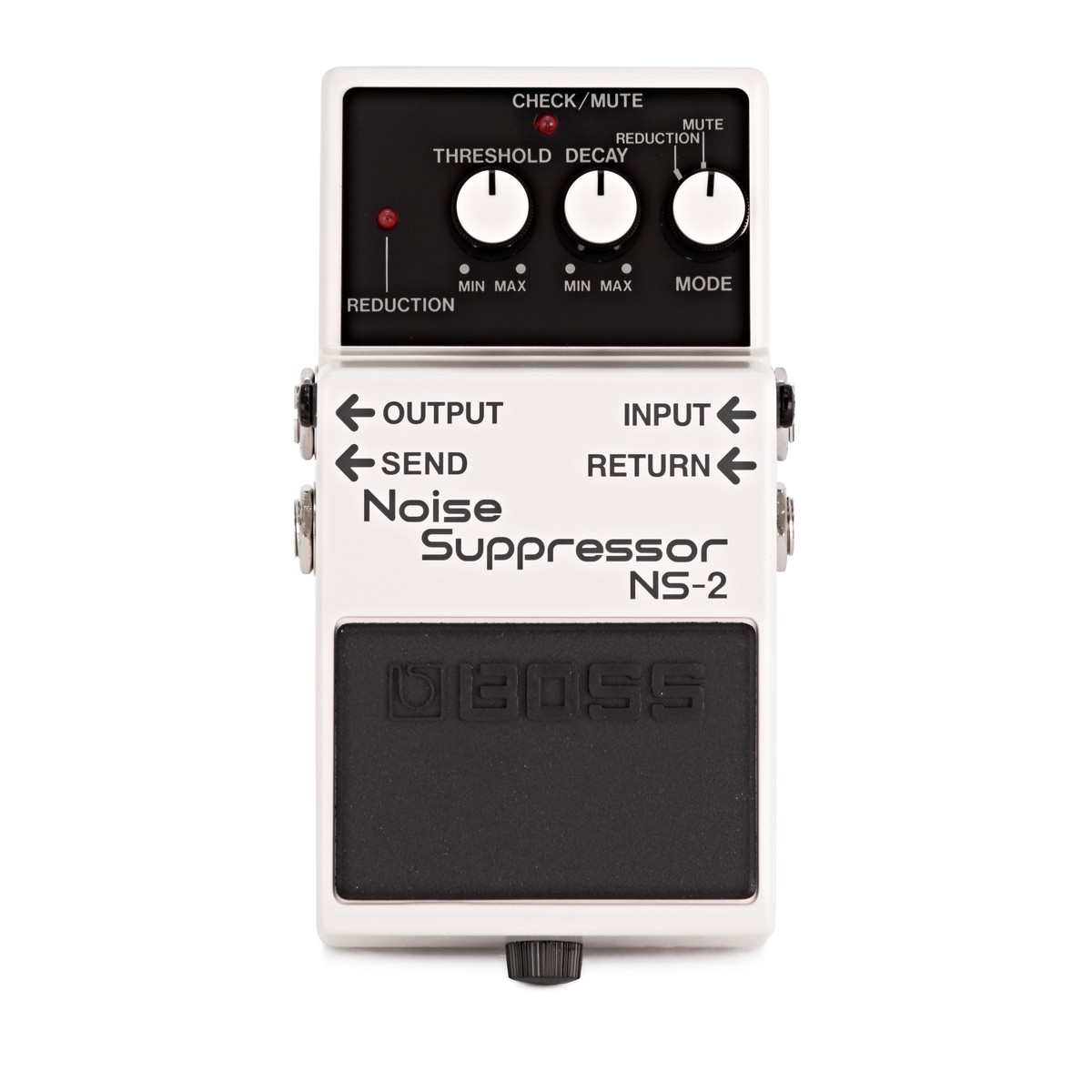
Boss NS-2 Noise Suppressor Guitar Pedal
Frequently asked questions
- What is the primary purpose of the Ripped Speaker Fuzz?
- It is designed to provide vintage-style fuzz tones that emulate the sound of a damaged or 'ripped' amplifier speaker cone. It offers a range from smooth saturation to heavy, gritty distortion.
- How does the 'Rip' control function?
- The Rip control acts as a bias adjustment for the circuit. Turning it up causes the signal to become more gated and choked, simulating the sound of a speaker with a physical tear or a dying battery.
- Is the Ripped Speaker Fuzz suitable for modern high-gain styles?
- While it can produce thick fuzz, its character is specifically 'retro' and 'lo-fi'. It is better suited for players looking for vintage textures rather than modern, ultra-clean high-gain distortion.
- Can this pedal achieve smooth, subtle overdrive?
- Yes, by backing off the Fuzz and Rip controls, the pedal can deliver warm, smooth saturation that is richer and less aggressive than its maximum settings.
- How much does the Electro Harmonix Ripped Speaker Fuzz cost?
- The typical price range for this pedal is approximately £94.00, making it an affordable option for professional and amateur musicians alike.
- How does it differ from a Big Muff?
- The Big Muff offers a thick, sustaining distortion with a specific EQ scoop. The Ripped Speaker Fuzz focuses on vintage, gated, and gritty textures with a more versatile 'Rip' control for lo-fi sounds.
- What power supply does the Ripped Speaker Fuzz require?
- It typically requires a standard 9V DC centre-negative power supply, which is the industry standard for most guitar effects pedals.
- Does the pedal have a built-in noise gate?
- While not a traditional noise gate, the 'Rip' control can produce a gated effect by cutting off the signal abruptly at higher settings, which helps reduce unwanted hum during silences.
- Can this pedal be used with bass guitar?
- Yes, the thick saturation and active Tone control allow it to work effectively with bass, though it is primarily voiced for electric guitar.
- What kind of build quality can I expect?
- As an Electro Harmonix product, it features a sturdy metal chassis and high-quality footswitches designed to withstand the rigours of touring and regular stage use.
- Is the Tone control active or passive?
- The Tone control is active, meaning it can both cut and boost frequencies, providing a wider range of sonic sculpting compared to traditional passive tone knobs.
- Does it work well with other pedals like delay or wah?
- Yes, it can be paired with pedals like the Boss DD-3T or Dunlop Mick Ronson Cry Baby Wah. Its versatility allows it to sit well at various points in a signal chain.
Sources
Last updated: