
Gear article
Electro-Harmonix Nano Big Muff Pi
The Electro-Harmonix Nano Big Muff Pi is a compact guitar distortion and sustainer pedal designed to deliver the classic high-gain fuzz tones of the original Big Muff Pi circuit. It features a reduced footprint to save pedalboard space while maintaining the traditional three-control layout and rich harmonic saturation associated with the series.

Overview and History
The Electro-Harmonix Nano Big Muff Pi represents a modern evolution of one of the most significant effects pedals in rock history. Originally introduced in the late 1960s, the full-sized Big Muff Pi became a staple for guitarists seeking immense sustain and a thick, violin-like distortion. The Nano version was developed to address the needs of contemporary musicians who require the same sonic profile but operate within the constraints of crowded pedalboards.
Despite the reduction in physical size—roughly half the width of the standard chassis—the Nano version utilizes the same circuit architecture as the modern NYC reissue. It maintains the durability and simple interface that defined the original while offering improved portability for touring and studio applications.
Circuitry and Functionality
The pedal operates using a three-knob interface that allows for precise shaping of the output signal:
- Volume: Controls the overall output level of the effect, providing enough gain to push an amplifier into further saturation.
- Tone: Adjusts the frequency response, moving from deep, bass-heavy mud to crisp, high-end treble that cuts through a mix.
- Sustain: Manages the amount of distortion and the length of the notes held, enabling the user to achieve anything from light grit to endless feedback.
Like its predecessors, the Nano Big Muff Pi is known for its heavy saturation and compressed feel, which allows notes to bloom and sustain significantly longer than a standard overdrive pedal.
Sound Character
The sonic signature of the Nano Big Muff Pi is defined by its massive low-end and smooth, singing high-end. It is often described as a 'wall of sound' effect, providing a scooped-midrange profile that sits well in heavy rock and alternative arrangements. At lower sustain settings, the pedal offers a woolly distortion, while higher settings transition into a thick fuzz that remains harmonically rich. It is designed to be versatile enough to handle subtle grit as well as 'downright outrageous' saturation.
Target Audience and Comparison
This pedal is suited for guitarists across various genres, including indie, stoner rock, and blues-rock. Its legacy is cemented by its use by iconic artists such as David Gilmour and Jack White.
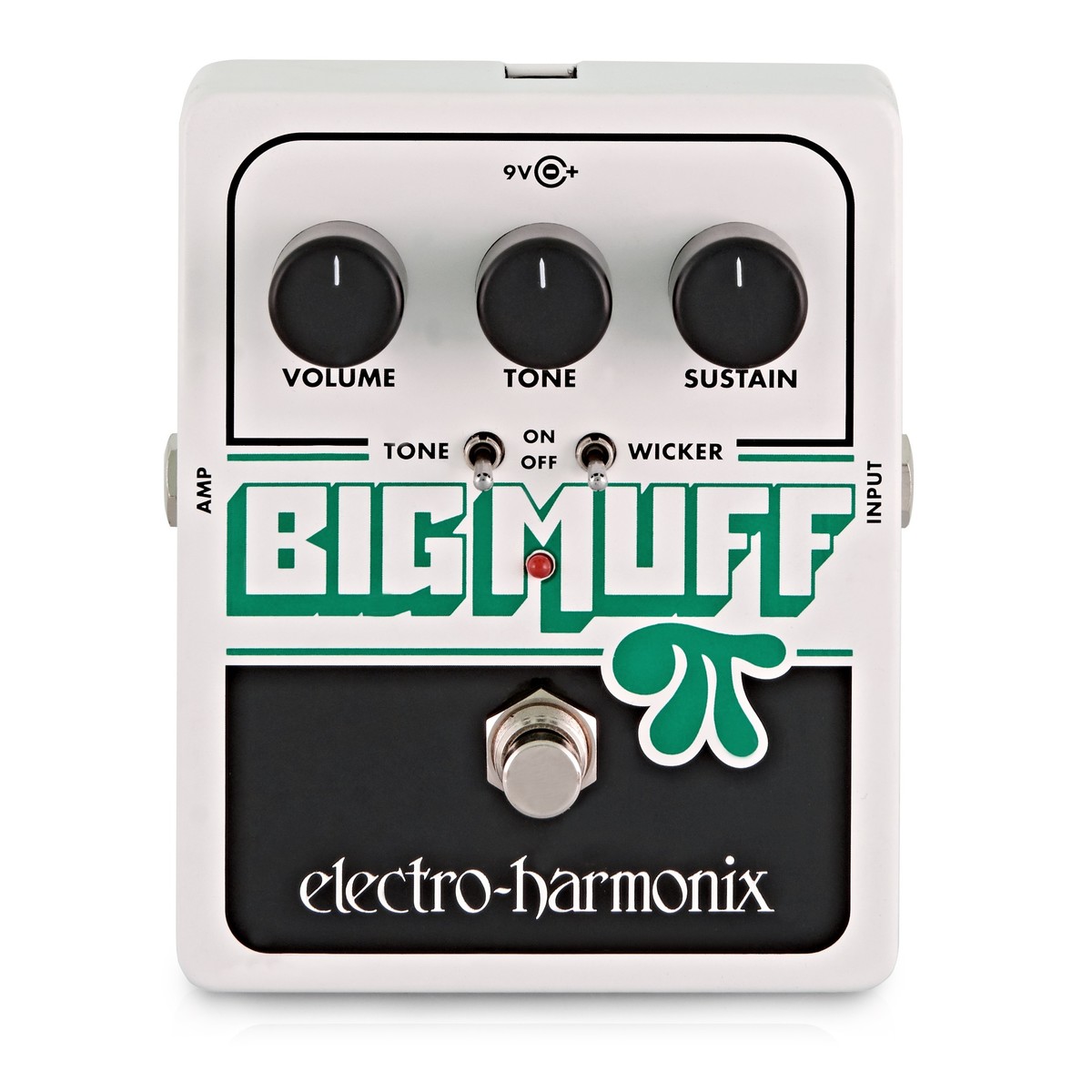
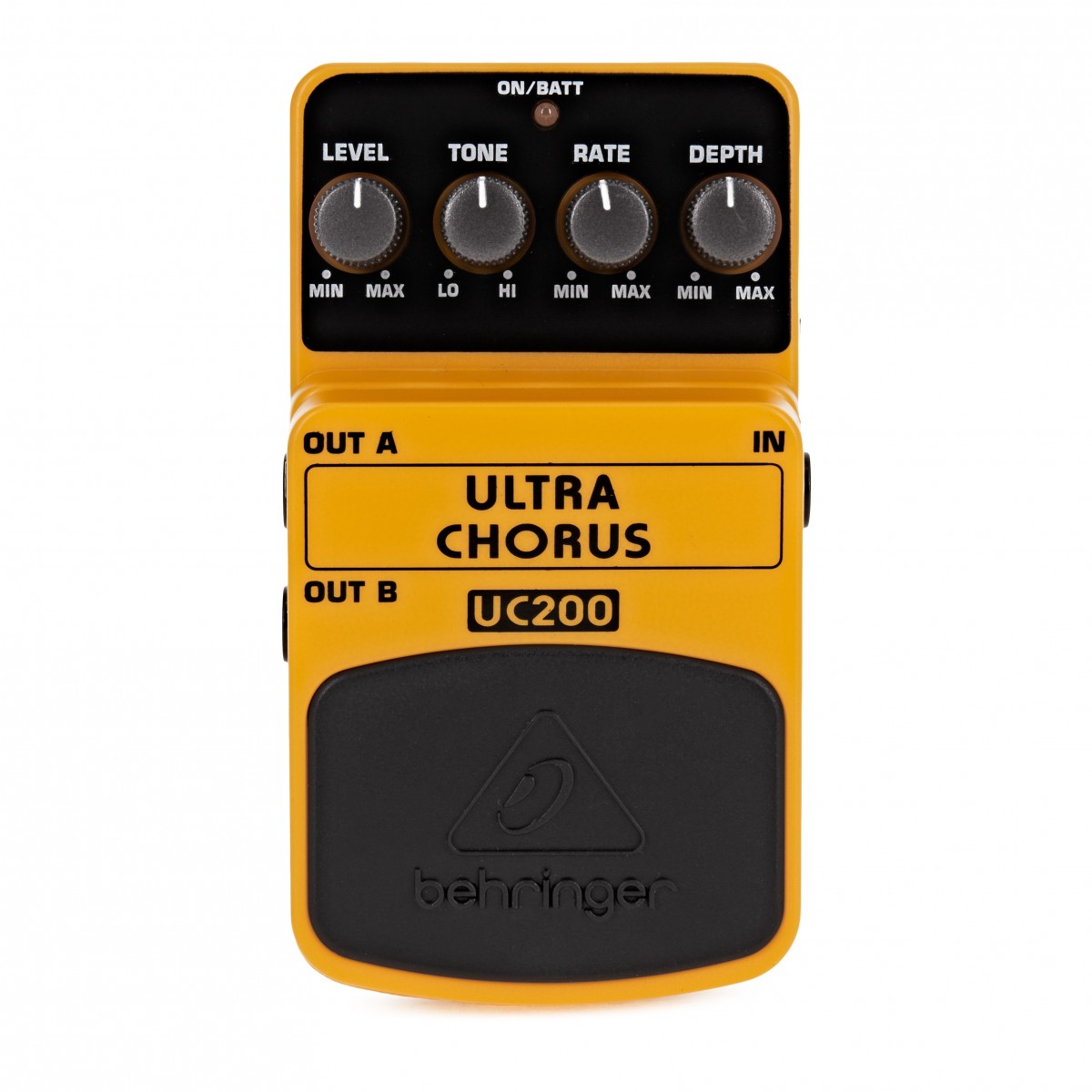
When compared to alternatives like the *Electro-Harmonix Big Muff w/ Tone Wicker*, the Nano provides a more straightforward, traditional experience without the additional high-frequency switches. Compared to budget alternatives like the *Behringer UC200* or premium utilities like the *Boss NS-2 Noise Suppressor*, the Nano Big Muff remains a dedicated tonal centerpiece rather than a utility or modulation tool. It is ideal for players who want the authentic Big Muff sound without the footprint of the large vintage-style housing.
Related gear
 €114.06
Electro Harmonix
Electro Harmonix Big Muff Distortion Sustainer w/ Tone Wicker
 €139.94
Digitech
Digitech Whammy Ricochet Guitar Effects Pedal
 €99.95
Fender
Fender Hammertone Flanger Pedal
 €27.05
Behringer
Behringer UC200 Ultra Chorus Pedal
 €304.56
Dunlop
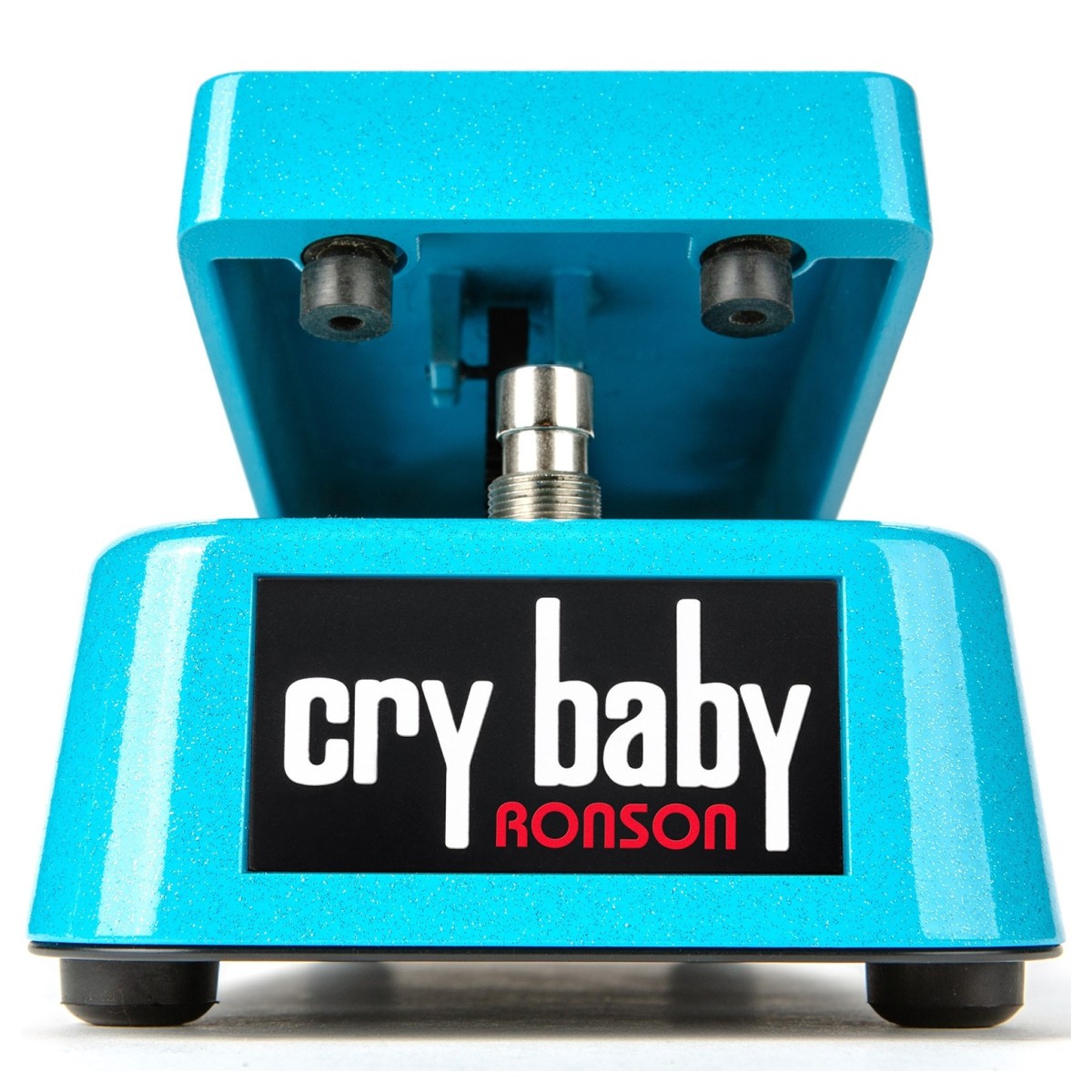
Dunlop Mick Ronson Cry Baby Wah
 €92.90
Yamaha
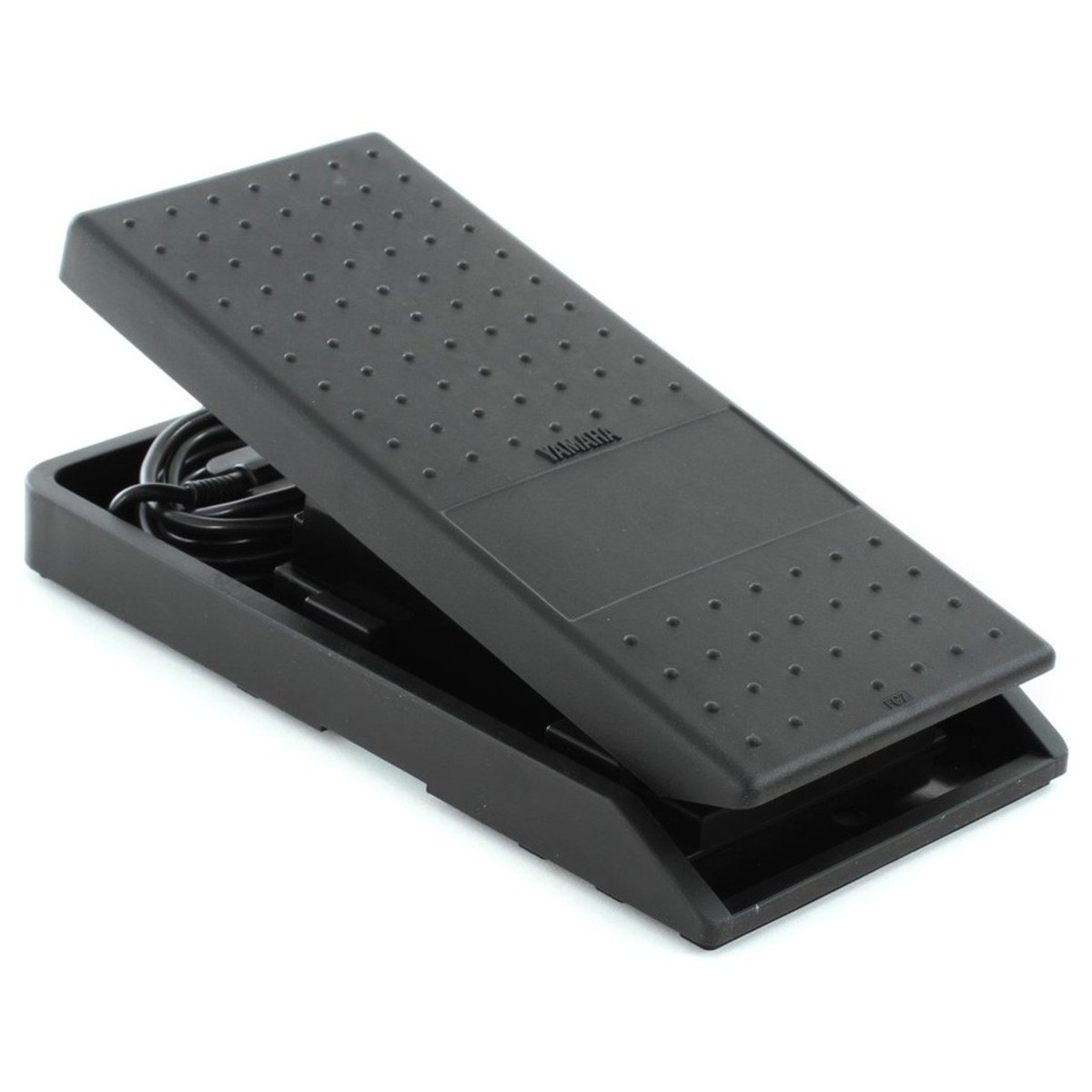
Yamaha FC7 Expression Pedal
 €156.50
Boss
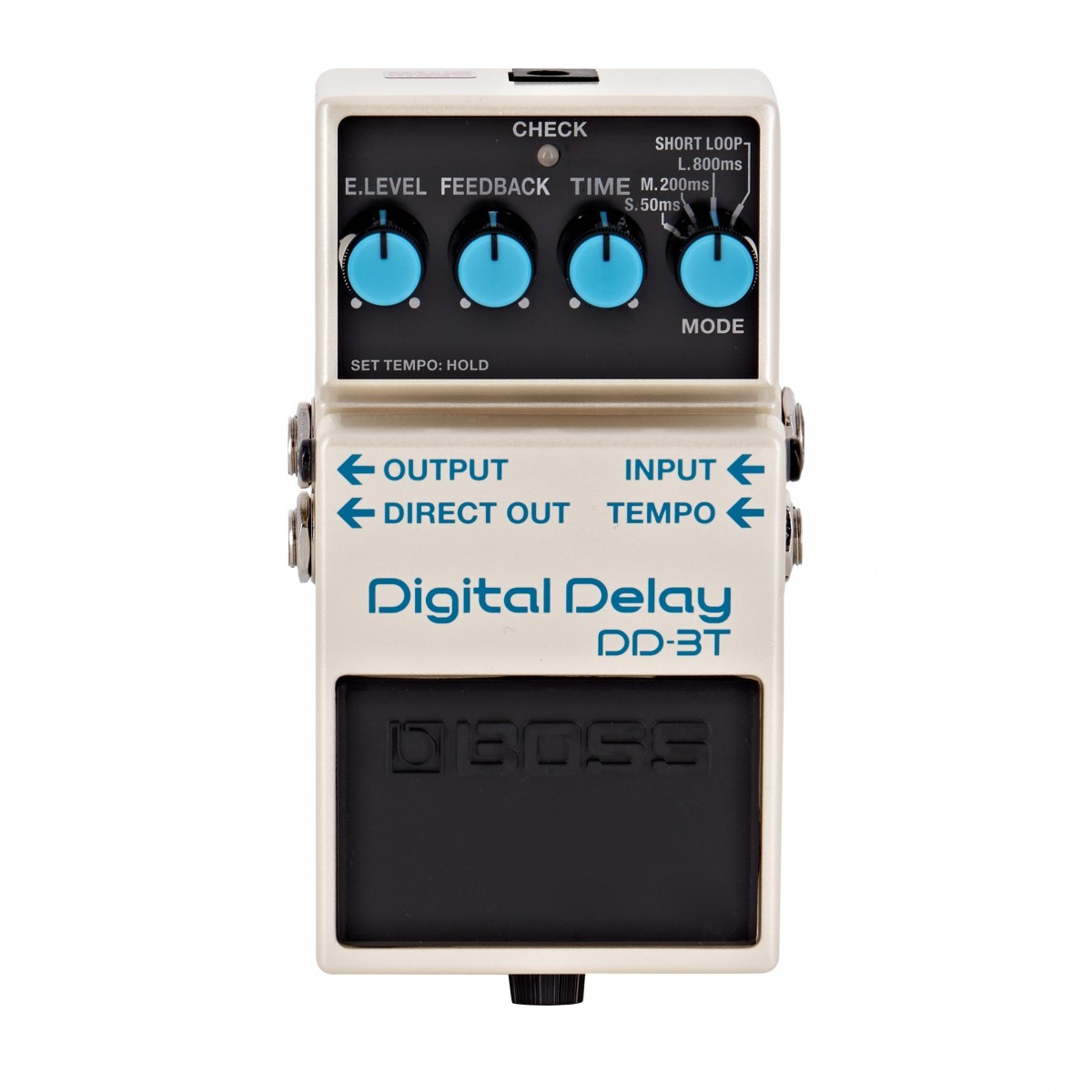
Boss DD-3T Digital Delay Pedal
 €116.53
Boss
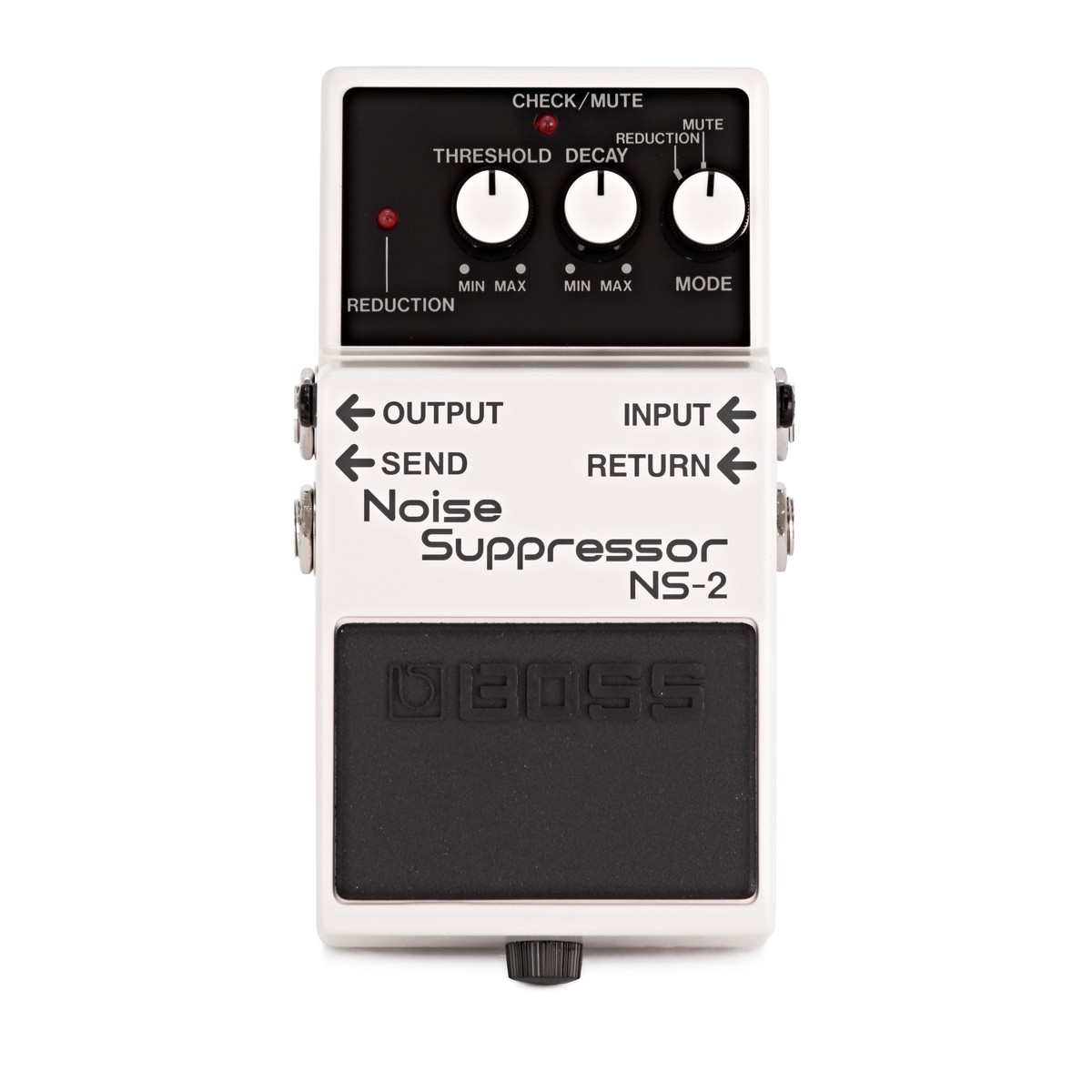
Boss NS-2 Noise Suppressor Guitar Pedal
Frequently asked questions
- What is the primary function of the Nano Big Muff Pi?
- It is a distortion and sustainer pedal designed to provide a thick, saturated fuzz tone. It is used to add sustain and harmonic richness to electric guitar signals.
- How does the Nano version compare in size to the original Big Muff?
- The Nano Big Muff Pi is roughly half the size of the standard NYC Big Muff Pi. This makes it significantly more pedalboard-friendly while housing the same circuit.
- Which famous musicians are known for using the Big Muff circuit?
- The Big Muff sound has been used by a wide range of rockers, most notably David Gilmour of Pink Floyd and Jack White. It is a staple in many professional rigs across various eras.
- Does the Nano Big Muff Pi sound different from the full-sized version?
- Electro-Harmonix states that the Nano version delivers all the tone and character of the original. It is designed to be a direct sonic equivalent in a smaller enclosure.
- What are the three control knobs on the pedal?
- The pedal features Volume, Tone, and Sustain knobs. These allow the user to control the output level, frequency balance, and amount of distortion respectively.
- Is the Nano Big Muff Pi suitable for subtle overdrive?
- While primarily known for high-gain fuzz, it can produce more subtle tones by backing off the Sustain knob. However, it is generally considered a high-saturation effect.
- What is the typical price for this pedal in the UK?
- The typical price range for a new Nano Big Muff Pi in the United Kingdom is approximately £65. Prices may vary slightly depending on the retailer.
- Can the Nano Big Muff be used with other pedals like a Wah?
- Yes, it is often paired with other effects like the Dunlop Mick Ronson Cry Baby Wah. Placement usually occurs after the wah to allow the fuzz to be shaped by the filter sweeps.
- Does it require a specific power supply?
- It typically runs on a standard 9V DC power supply (centre-negative). It can also be powered by a 9V battery depending on the specific production year and enclosure interior.
- Is the Nano Big Muff Pi a 'true bypass' pedal?
- Yes, the Nano series generally features true bypass switching. This ensures that your clean guitar signal remains unaffected when the pedal is turned off.
- How does it handle noise and hum?
- High-gain pedals like the Big Muff can be noisy due to their extreme compression and gain. Users often pair them with a utility like the Boss NS-2 Noise Suppressor to manage hum during pauses.
- What makes the Nano Big Muff different from the Big Muff with Tone Wicker?
- The Nano is a faithful recreation of the standard circuit without extra features. The Tone Wicker version includes additional switches to bypass the tone stack or add high-frequency boost.
Sources
Last updated: