
Gear article
Behringer RD-9 Drum Machine
The Behringer RD-9 is an analogue drum machine designed as a modern recreation of the legendary Roland TR-909. It combines classic subtractive synthesis circuitry with contemporary features like MIDI and USB connectivity, providing musicians with a versatile tool for electronic music production.

Overview and History
The Behringer RD-9 Drum Machine is a hardware rhythm composer that serves as a modern homage to one of the most iconic drum machines in music history. While it retains the essential analogue circuitry that defined the house and techno genres, it introduces several 21st-century refinements to meet the demands of contemporary studio environments.
Developed to provide an affordable alternative to vintage hardware, the RD-9 focuses on tactile control and authentic sound reproduction. It follows Behringer's strategy of revitalising classic synthesizers and drum machines, offering a full-sized interface that mirrors the workflow of its predecessor while expanding its sonic capabilities.
Core Functionality and Features
The RD-9 features a comprehensive set of controls for shaping individual percussion sounds. Unlike the original hardware, it allows users to adjust the tuning, level, attack, and decay for a wider range of sounds, providing more intricate control over the rhythmic texture.
Key performance tools include: * Wave Designer: An integrated tool for sculpting the sustain and attack of the sounds. * Dual-Mode Filter: A highly adaptive filter with resonance and cutoff frequency controls, switchable between Low Pass and High Pass modes. * Sequencer: A powerful step sequencer that supports real-time recording and pattern chaining. * Connectivity: Modern integration via MIDI In/Out/Thru and a USB port for DAW synchronisation.
Sound Character
The sonic signature of the RD-9 is rooted in its analogue heart, delivering the punchy kick drums, snappy snares, and distinct tom-toms associated with classic electronic records. The cymbals and hi-hats utilise the authentic 6-bit sampling method of the original design, ensuring the metallic 'sheen' is preserved. The addition of the Wave Designer and Filter allows for more aggressive or experimental processing directly within the unit, moving beyond static vintage tones.
Target Audience and Comparisons
The RD-9 is primarily suited for electronic music producers, live performers, and hardware enthusiasts who require the specific '909' sound without the high cost of vintage units.
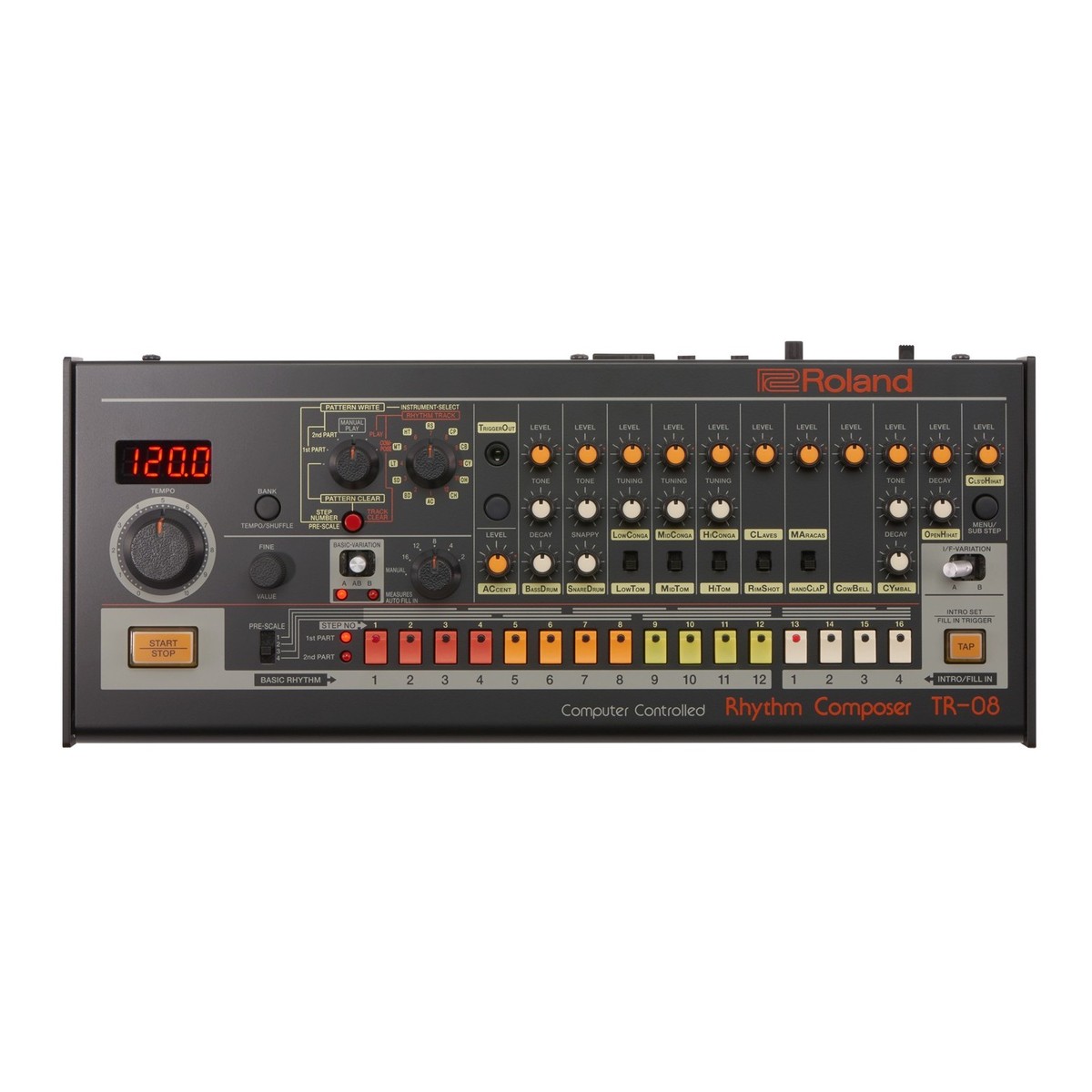
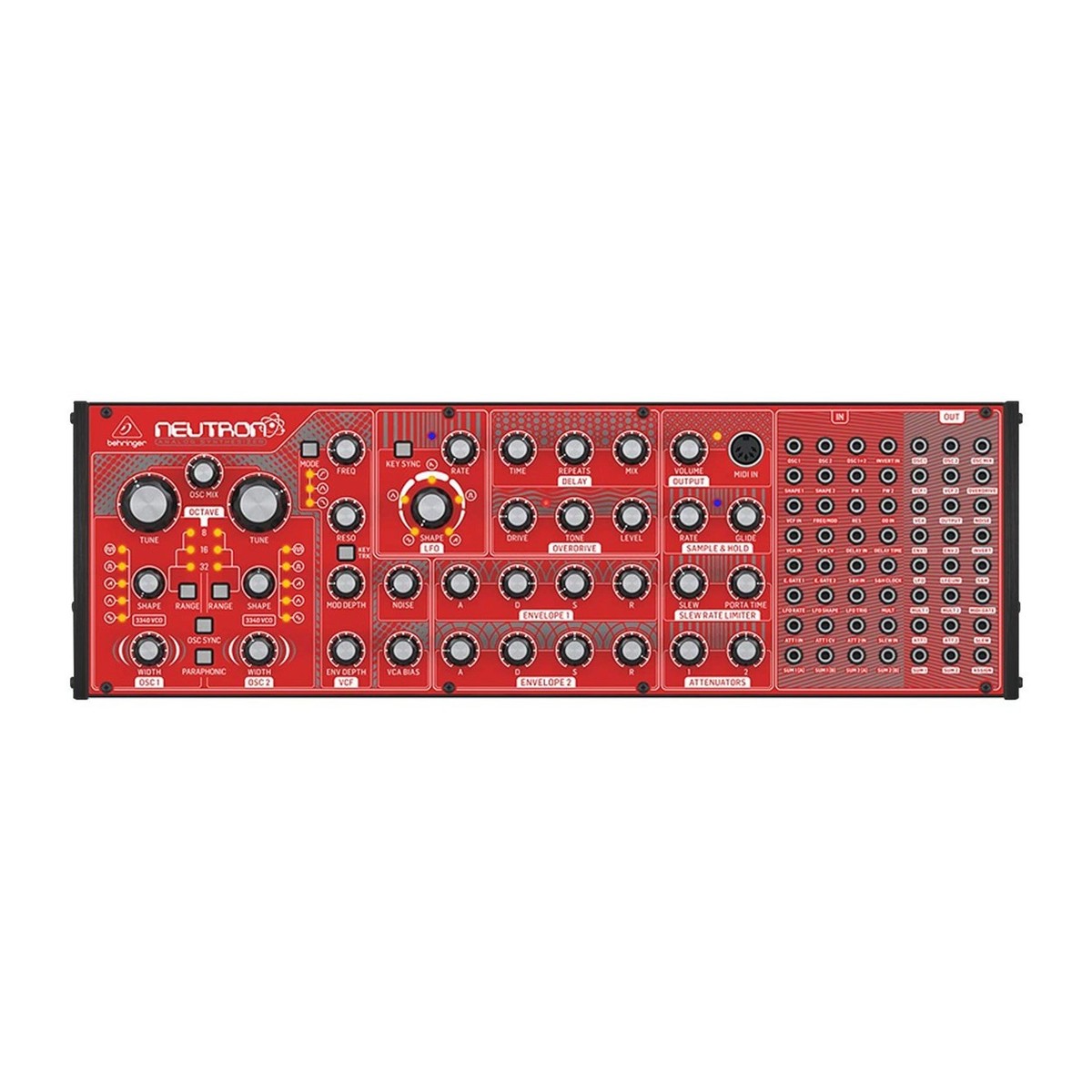
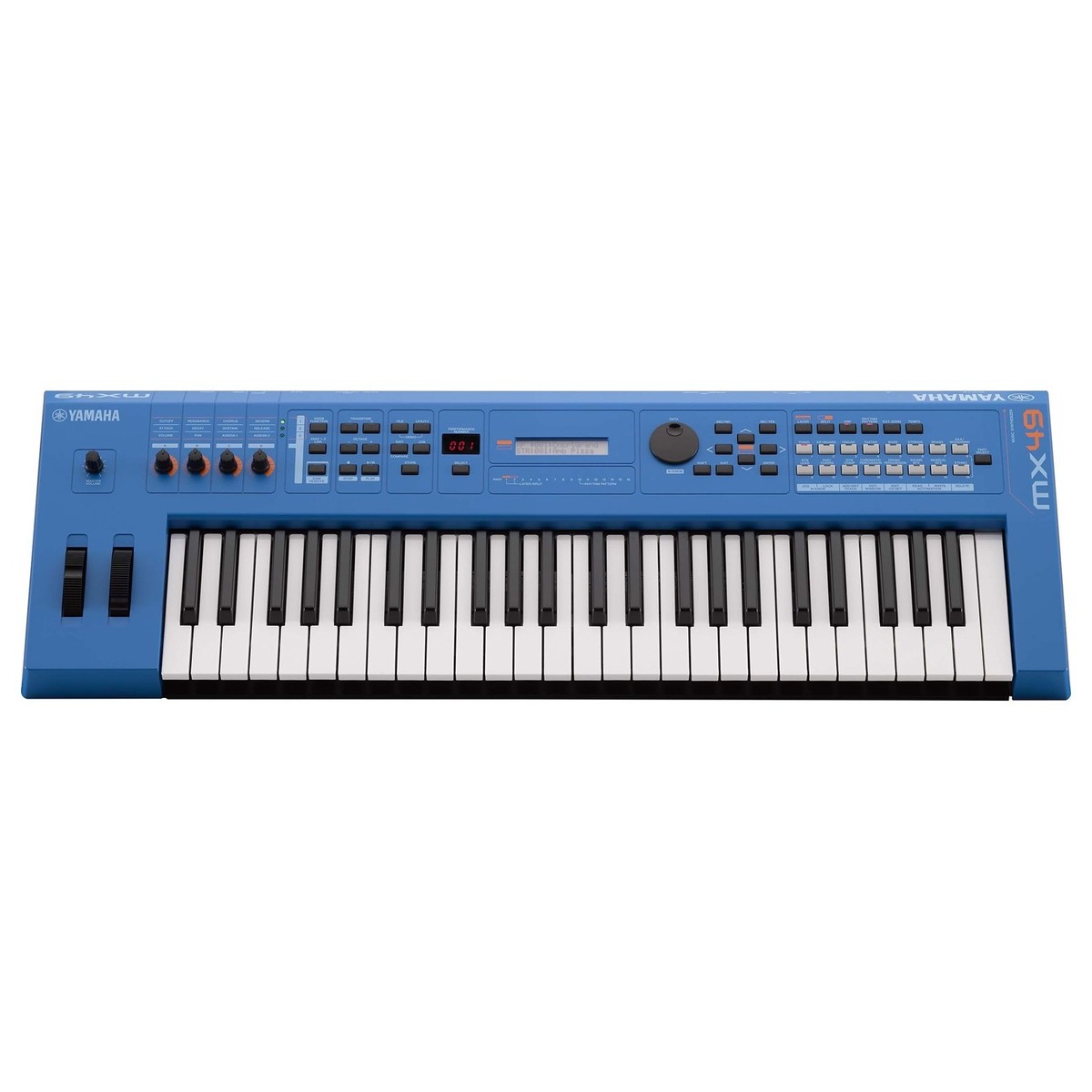
When compared to the Roland Boutique TR-08, the RD-9 offers a full-sized physical interface and analogue signal path, whereas the TR-08 uses digital ACB technology in a miniature form factor. Other alternatives include semi-modular options like the Behringer Neutron for those seeking abstract percussion, or the Yamaha MX49 II for those needing a broader range of general instrument sounds.
Related gear
 €439.80
Roland
Roland Boutique TR-08 Rhythm Composer Drum Machine
 €331.02
Behringer
Behringer Neutron Semi-Modular Synthesizer
 €4,350.91
Oberheim
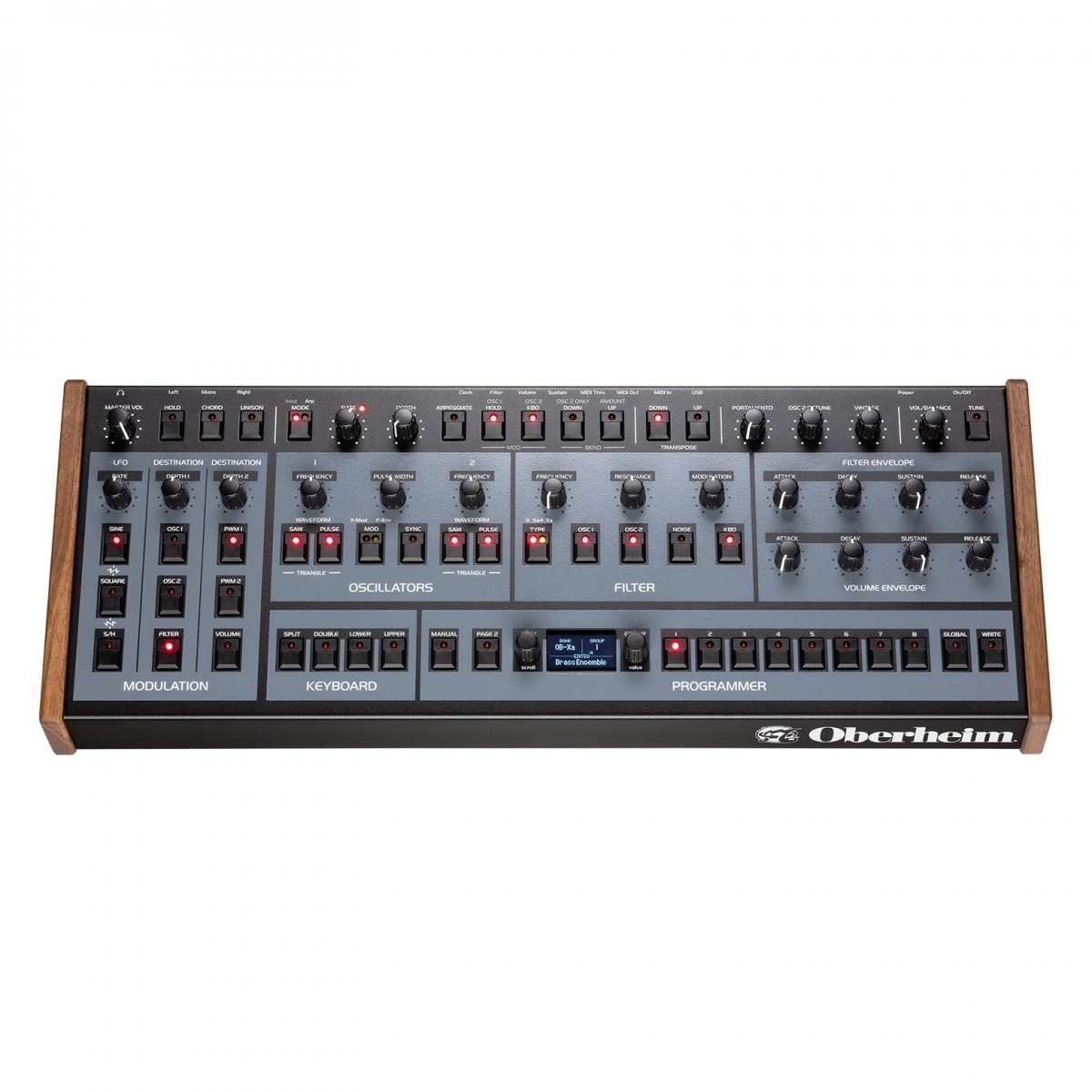
Oberheim OB-X8 Analog Synthesizer Desktop Module
 €619.72
Yamaha
Yamaha MX49 II Music Production Synthesizer Blue
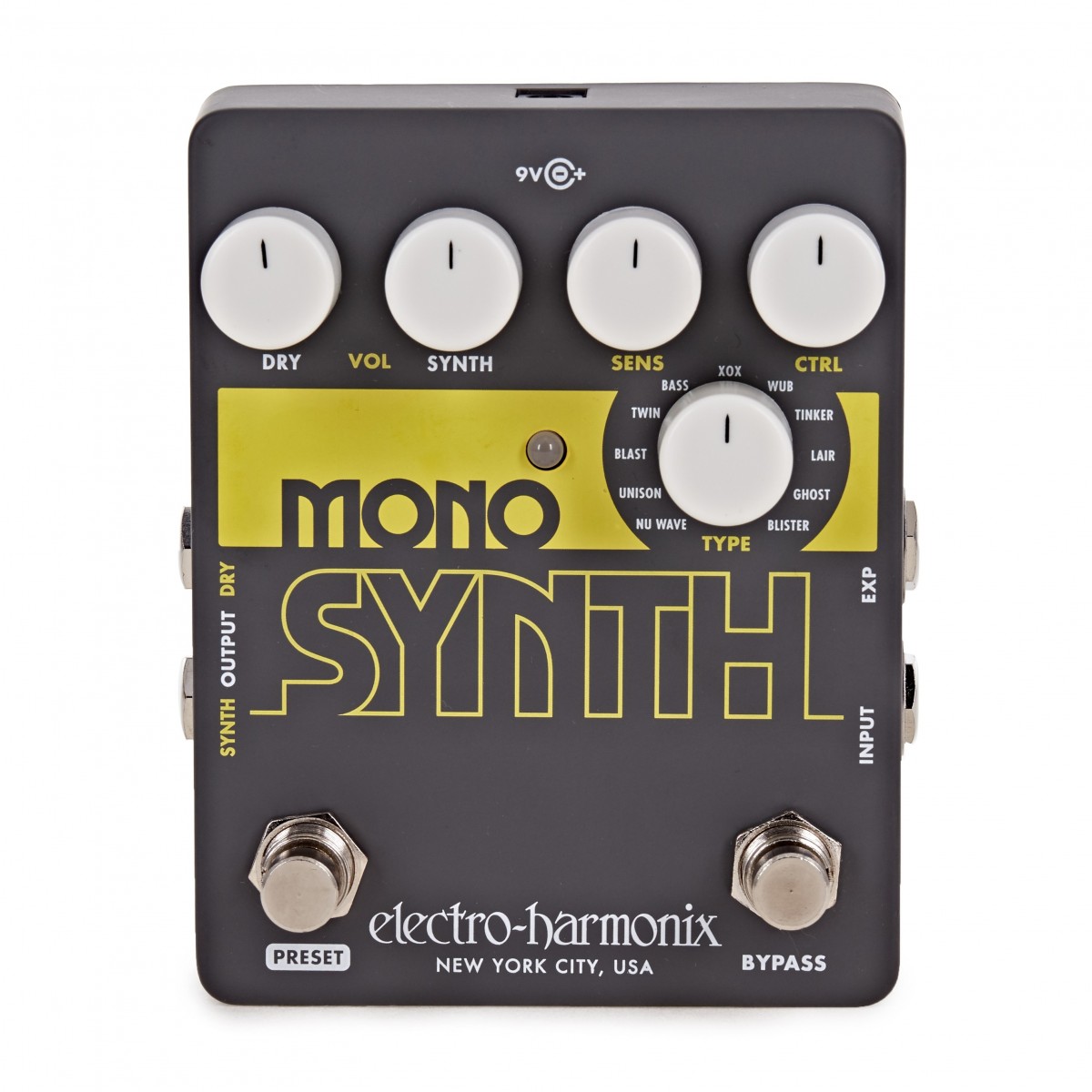 €146.99
Electro Harmonix
Electro Harmonix Mono Synth Guitar Synthesizer
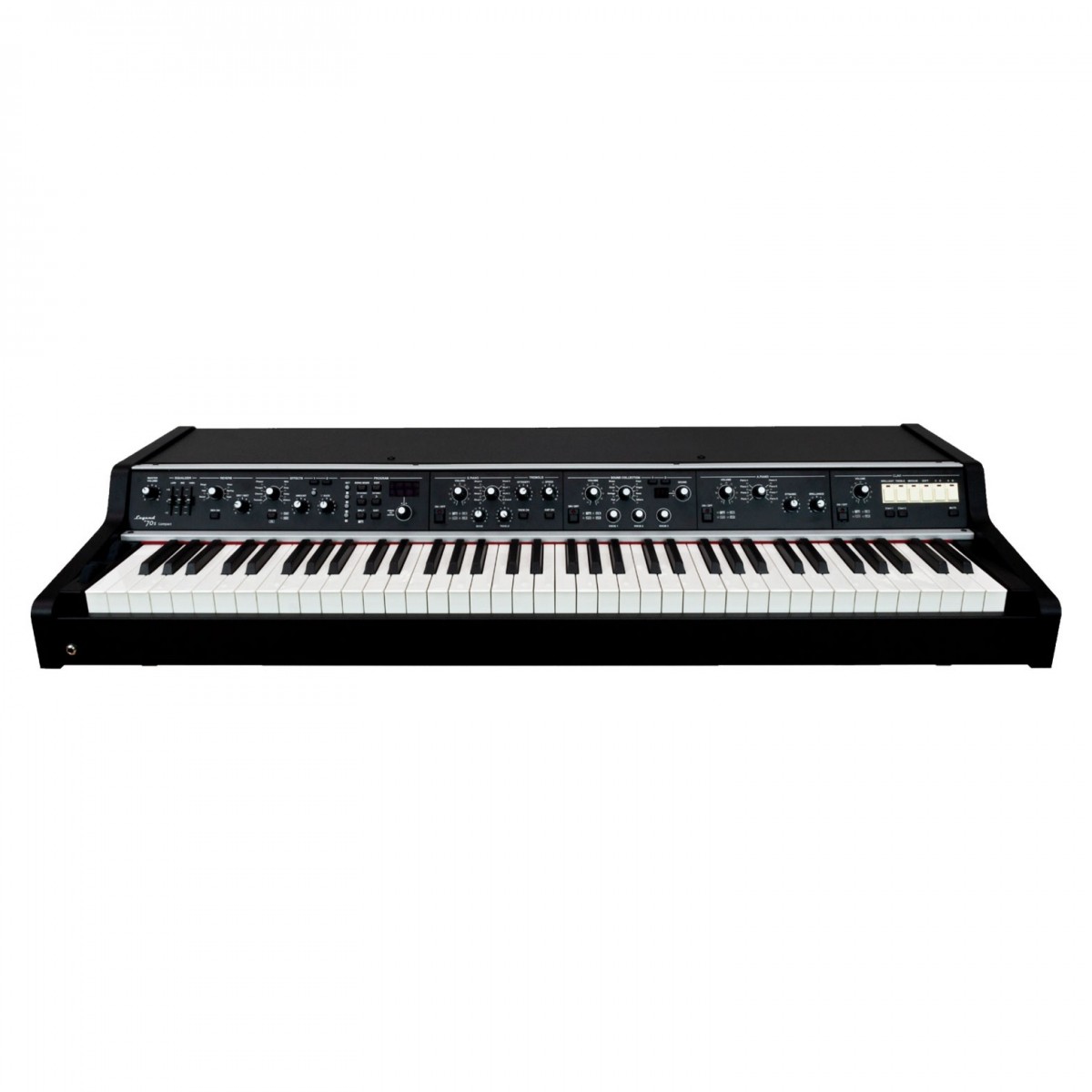 €2,643.12
Viscount Organs
Viscount Legend 70s Compact EX Modular Stage Piano
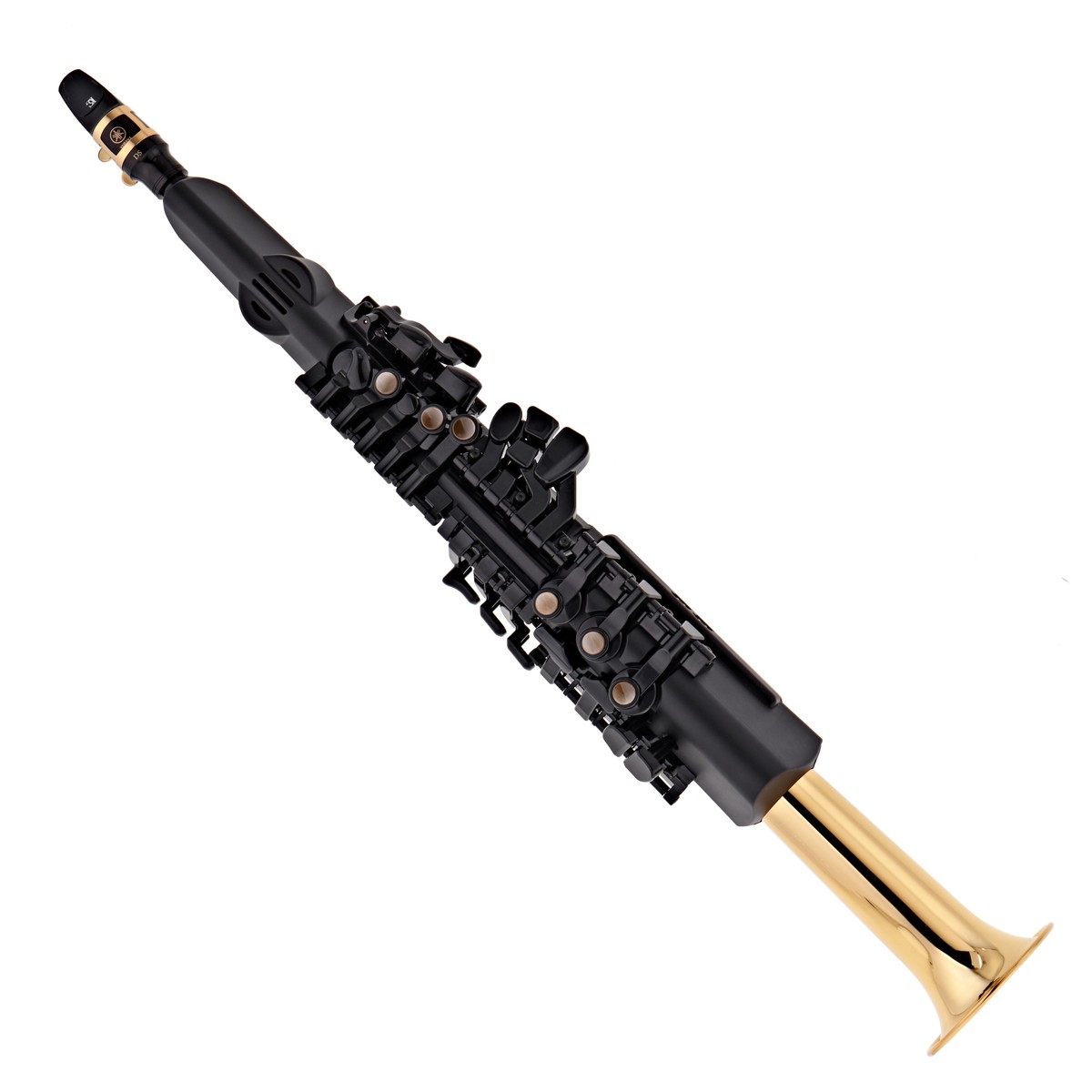 €759.42
Yamaha
Yamaha YDS 150 Digital Wind Synthesizer
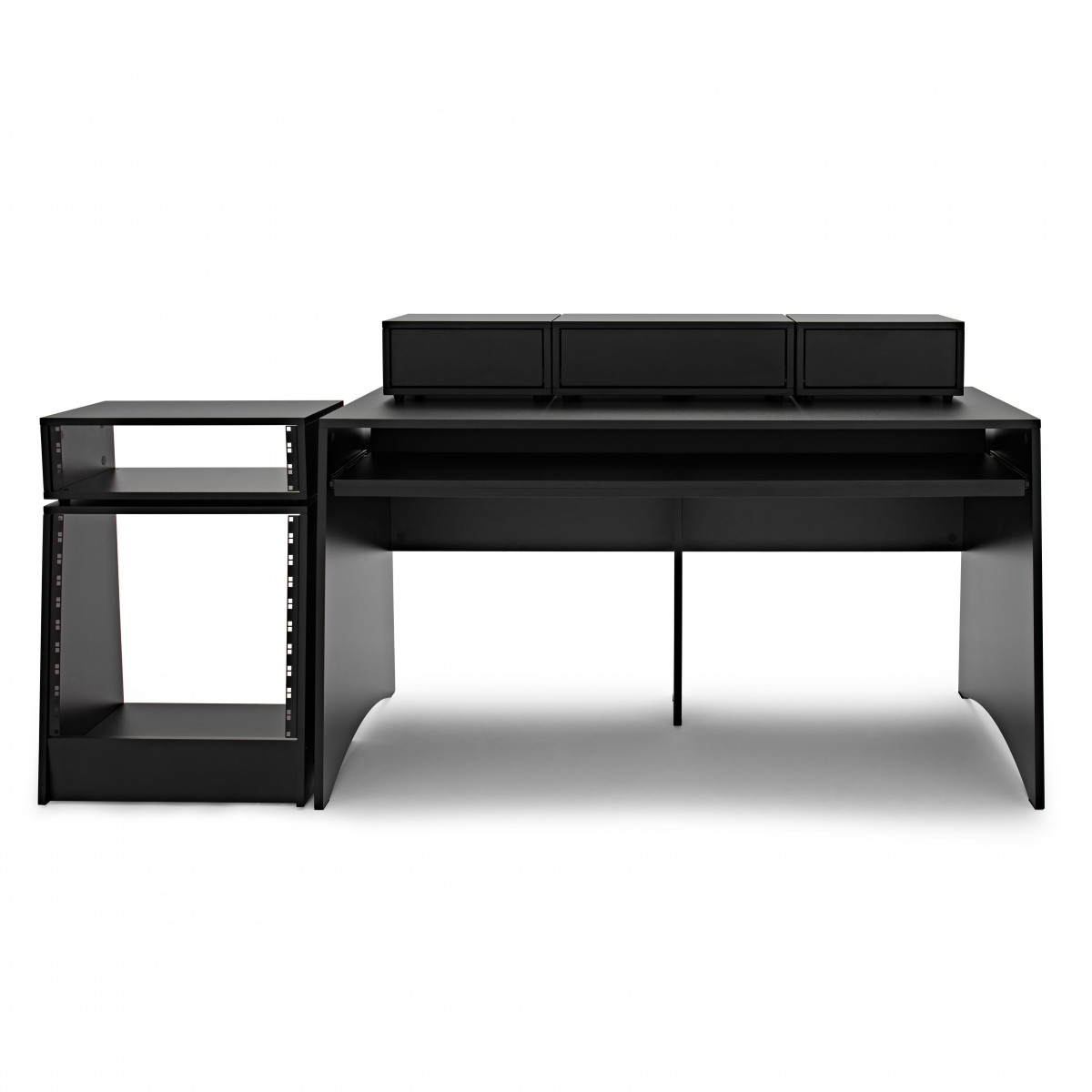 €587.95
Gear4Music
modul Modular Complete Studio System Black
Frequently asked questions
- What type of synthesis does the Behringer RD-9 use?
- The RD-9 uses analogue synthesis for the majority of its sounds, including the kick, snare, and toms. The hi-hats and cymbals are based on the original 6-bit sampling technique used in the classic hardware it emulates.
- How does the RD-9 differ from the original 909?
- The RD-9 adds extended controls for tuning, attack, and decay on more sounds. It also introduces modern features like the Wave Designer, a dual-mode filter, and USB connectivity for modern DAW integration.
- What is the typical price for a Behringer RD-9?
- The typical price range for the Behringer RD-9 is approximately £223. This makes it a highly accessible option for producers looking for authentic analogue drum sounds.
- Does the RD-9 have MIDI connectivity?
- Yes, the RD-9 features comprehensive MIDI I/O and Thru ports. It also includes a USB port for MIDI over USB, allowing it to sync easily with computers and other hardware.
- What is the function of the Wave Designer?
- The Wave Designer is a built-in compressor/expander effect that allows users to sculpt the attack and sustain of their drum sounds. This provides additional punch or length to the percussion beyond the standard analogue controls.
- Does the RD-9 include a filter?
- Yes, it features a highly adaptive dual-mode filter. Users can experiment with cutoff frequencies and resonance in both Low Pass and High Pass modes to shape the overall output or specific sounds.
- Can I record patterns in real-time on the RD-9?
- Yes, the RD-9 sequencer supports both step-time entry and real-time recording. This allows performers to play in their rhythms live or program them meticulously using the 16 step buttons.
- Are there individual outputs for each drum sound?
- Yes, the RD-9 is designed for professional studio use and includes individual outputs. This allows you to process each drum sound separately through external mixers or audio interfaces.
- How does the RD-9 compare to the Roland Boutique TR-08?
- The RD-9 is a full-sized analogue machine, whereas the TR-08 is a compact digital recreation of the TR-808. The RD-9 provides the specific character of the 909 with physical knobs for almost every parameter.
- Is the RD-9 suitable for live performance?
- Yes, its tactile interface, dedicated knobs for every function, and robust sequencer make it ideal for live electronic music. The inclusion of the filter and Wave Designer allows for dynamic sound manipulation during a set.
- What modern additions were made to the percussion controls?
- Behringer added the ability to adjust the tuning, level, attack, and decay of the sounds. This gives the user more creative freedom to customise their percussion compared to the original fixed-parameter designs.
- Can the RD-9 be used as a MIDI controller?
- While its primary function is a drum machine, the RD-9 can send MIDI information via its USB and MIDI ports. This allows its sequencer and buttons to trigger sounds in a DAW or other external synthesizers.
Sources
Last updated: