Gear article
Behringer Mic Link Microphone Booster
The Behringer Mic Link is a compact microphone booster designed to provide an additional +27 dB of clean gain to dynamic and passive ribbon microphones. It serves as an inline preamplifier that allows low-output microphones to interface more effectively with audio interfaces and mixing consoles without introducing unwanted coloration.

Overview
The Behringer Mic Link is a specialized utility device designed for performers and engineers who work with passive microphones. In many recording and live sound scenarios, dynamic and ribbon microphones lack the output level required to drive a preamp optimally, often resulting in a high noise floor when gain is pushed at the mixer. The Mic Link addresses this by providing a fixed boost of +27 dB, ensuring a robust signal reaches the primary gain stage.
Functionality and Key Features
The device operates as a high-quality inline preamp. It is designed to be connected between the microphone and a mixer or audio interface. Key features include:
- Gain Boost: Provides a consistent +27 dB of extra headroom.
- Transparency: Engineered to deliver gain without altering the inherent frequency response or character of the connected microphone.
- Connectivity: Features standard XLR input and output for seamless integration into existing signal chains.
- Portability: Its compact form factor makes it suitable for mobile recording rigs and live stage setups.
Compatibility and Performance
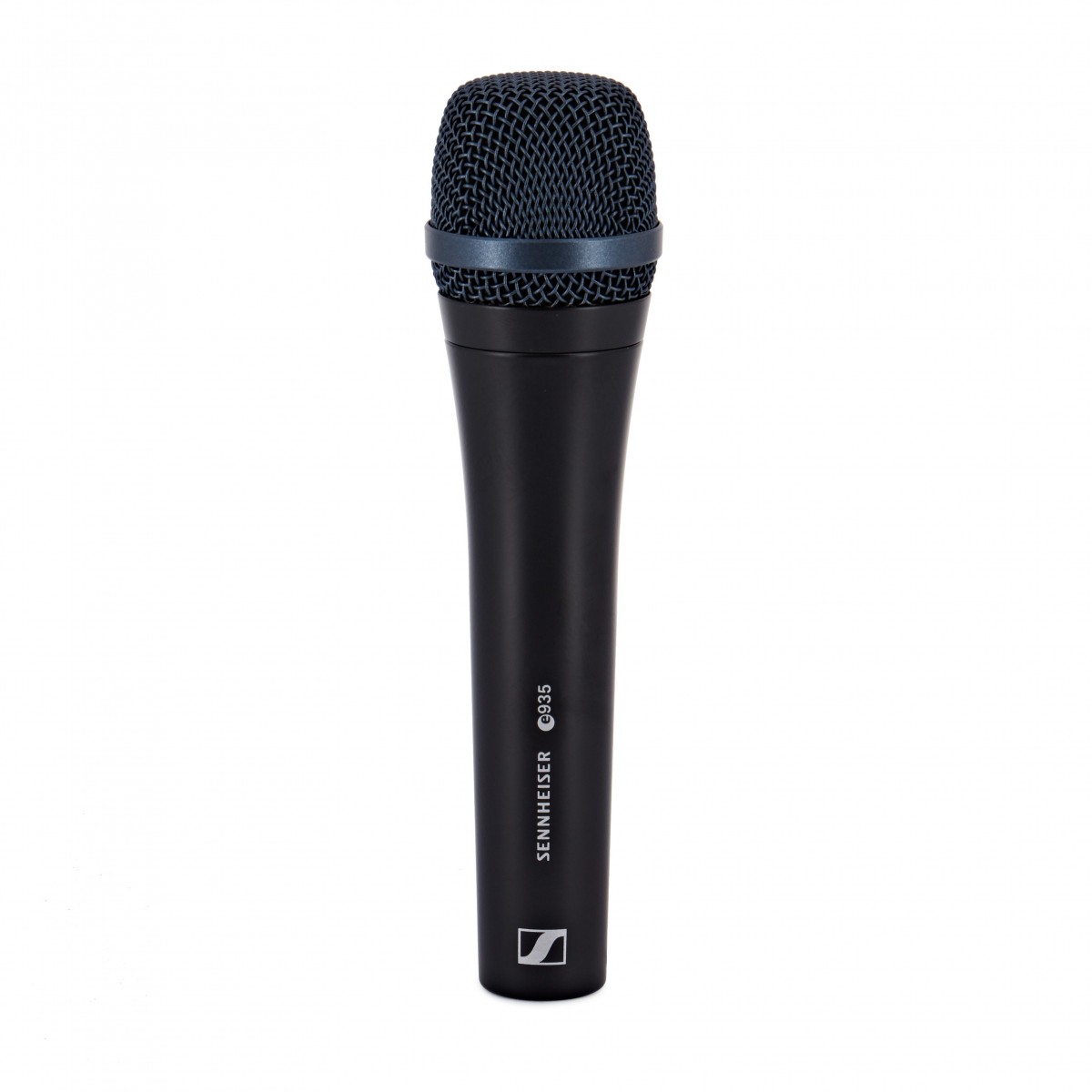
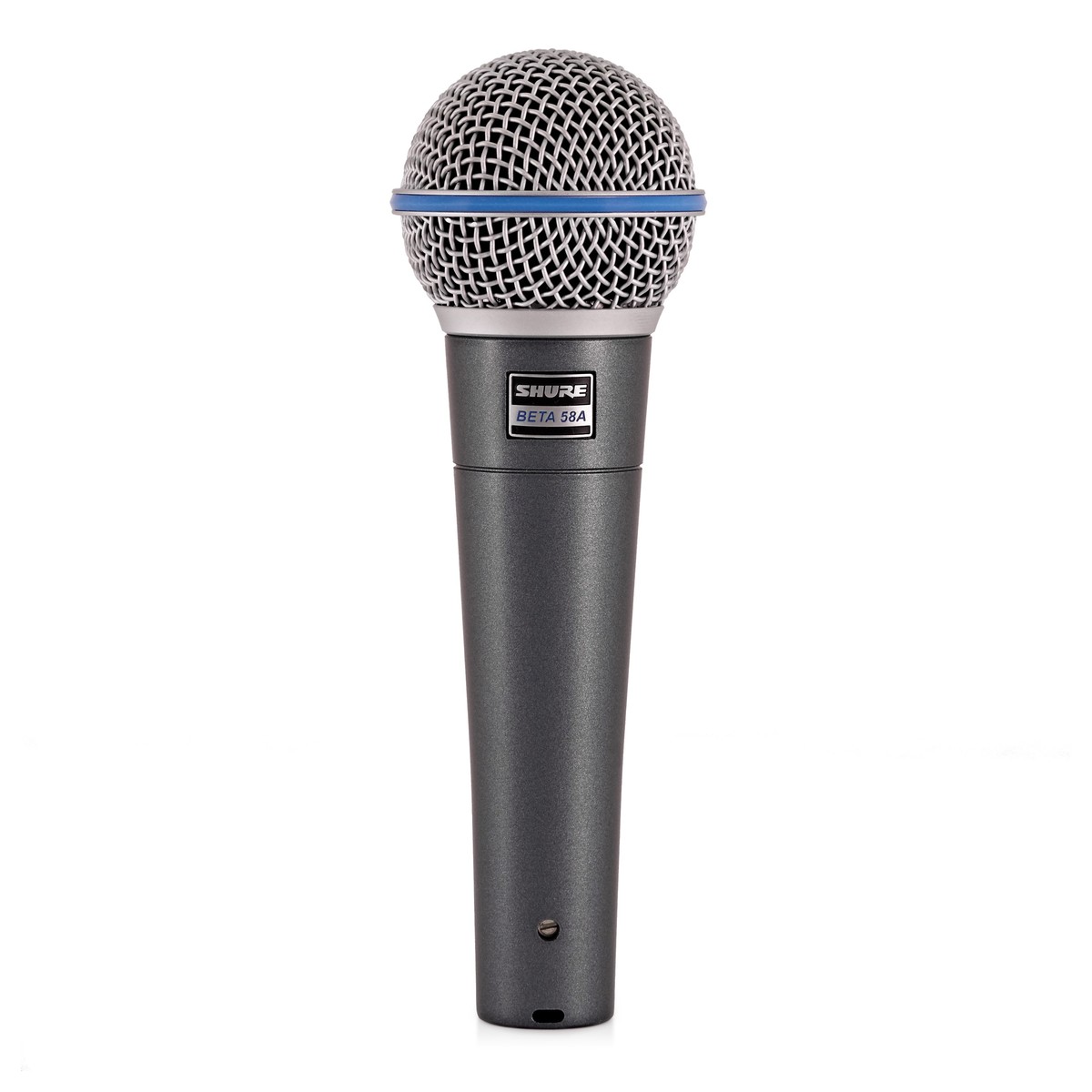
The Mic Link is versatile, working with a wide range of industry-standard dynamic microphones such as the Shure SM58, SM57, and Beta 58A, as well as the Sennheiser e935 and e945. It is also highly effective for 'gain-hungry' microphones like the Shure SM7B (implied by the +27dB spec) or the Electro-Voice RE20. Additionally, it is safe for use with passive ribbon microphones, providing the necessary lift without the risk of damaging delicate diaphragms with phantom power.
Comparison to Alternatives
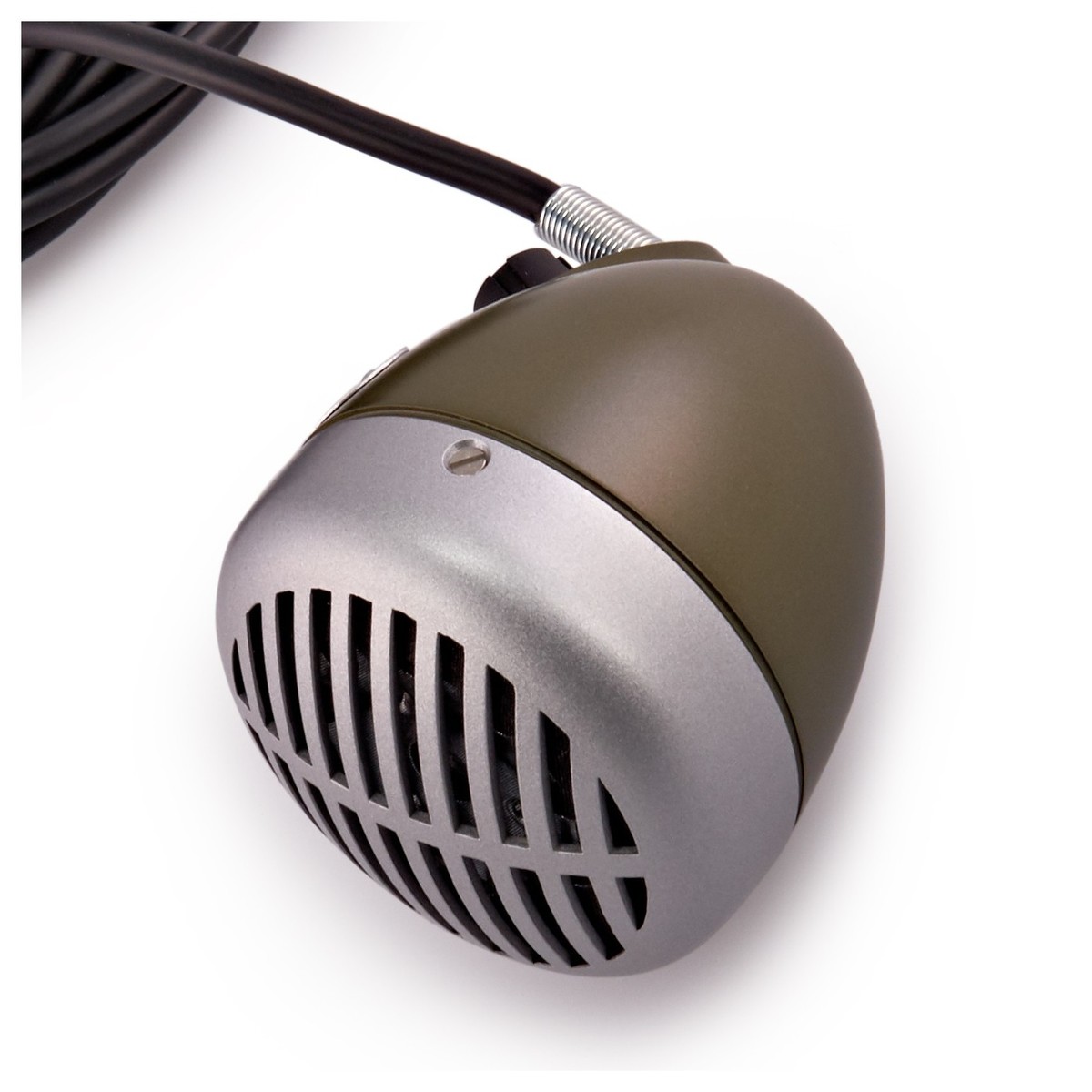
Positioned at a competitive price point of approximately £33, the Behringer Mic Link offers a budget-friendly alternative to premium inline boosters. While it competes with various 'cloud-style' lifters, its primary advantage is the balance between significant gain (+27 dB) and affordability. It is particularly suited for home studio users, podcasters, and streamers who need to improve the performance of their Sennheiser MD 441-U or Shure 520DX Green Bullet without investing in high-end external preamps.
Related gear
 €657.34
Electro-Voice
Electro-Voice RE20 Dynamic Cardioid Microphone
 €198.66
Sennheiser
Sennheiser e935 Dynamic Vocal Microphone
 €159.04
Shure
Shure 520DX Green Bullet Harmonica Microphone
 €189.32
Shure
Shure Beta 58A Dynamic Microphone
 €129.00
Shure
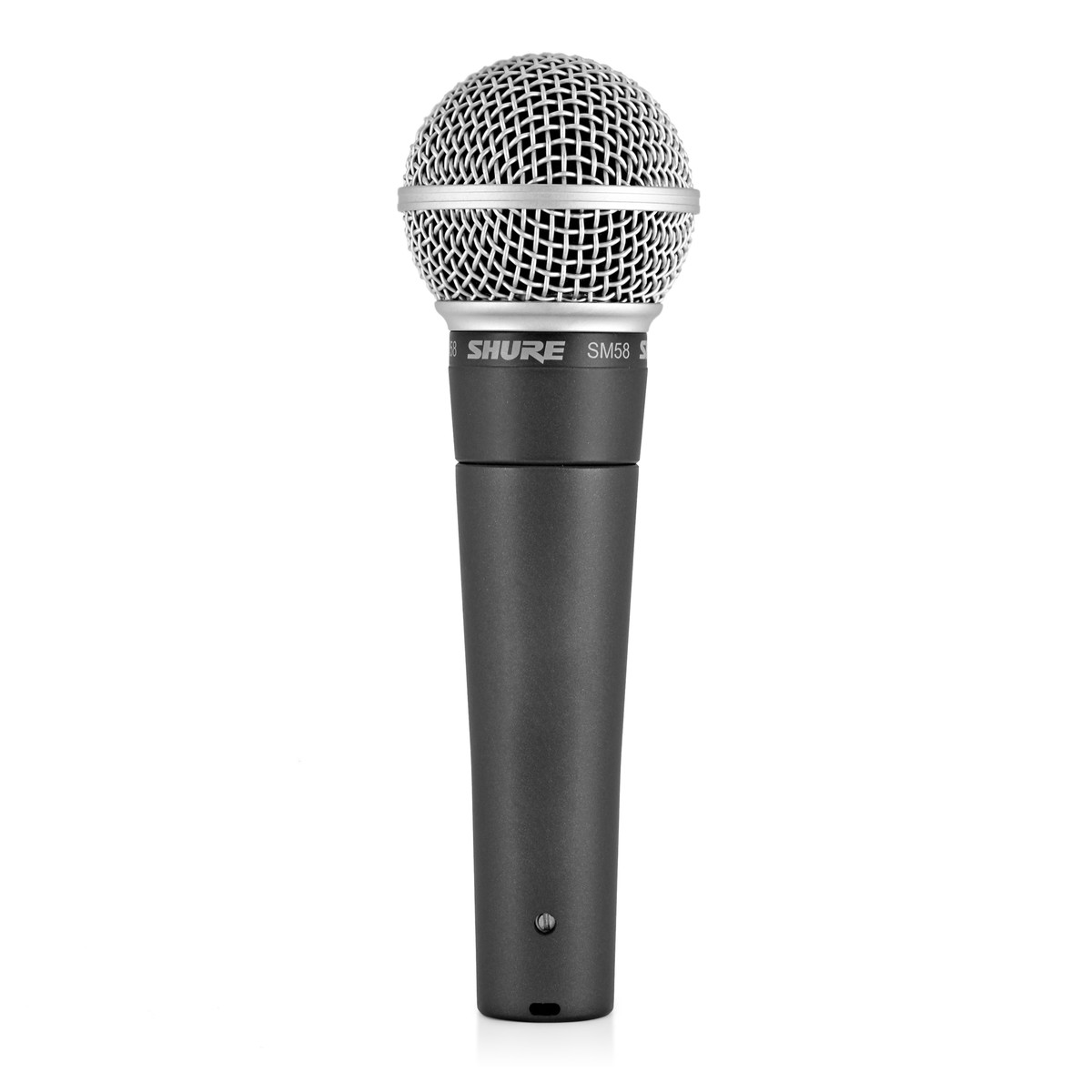
Shure SM58 Dynamic Cardioid Vocal Microphone
 €196.74
Sennheiser
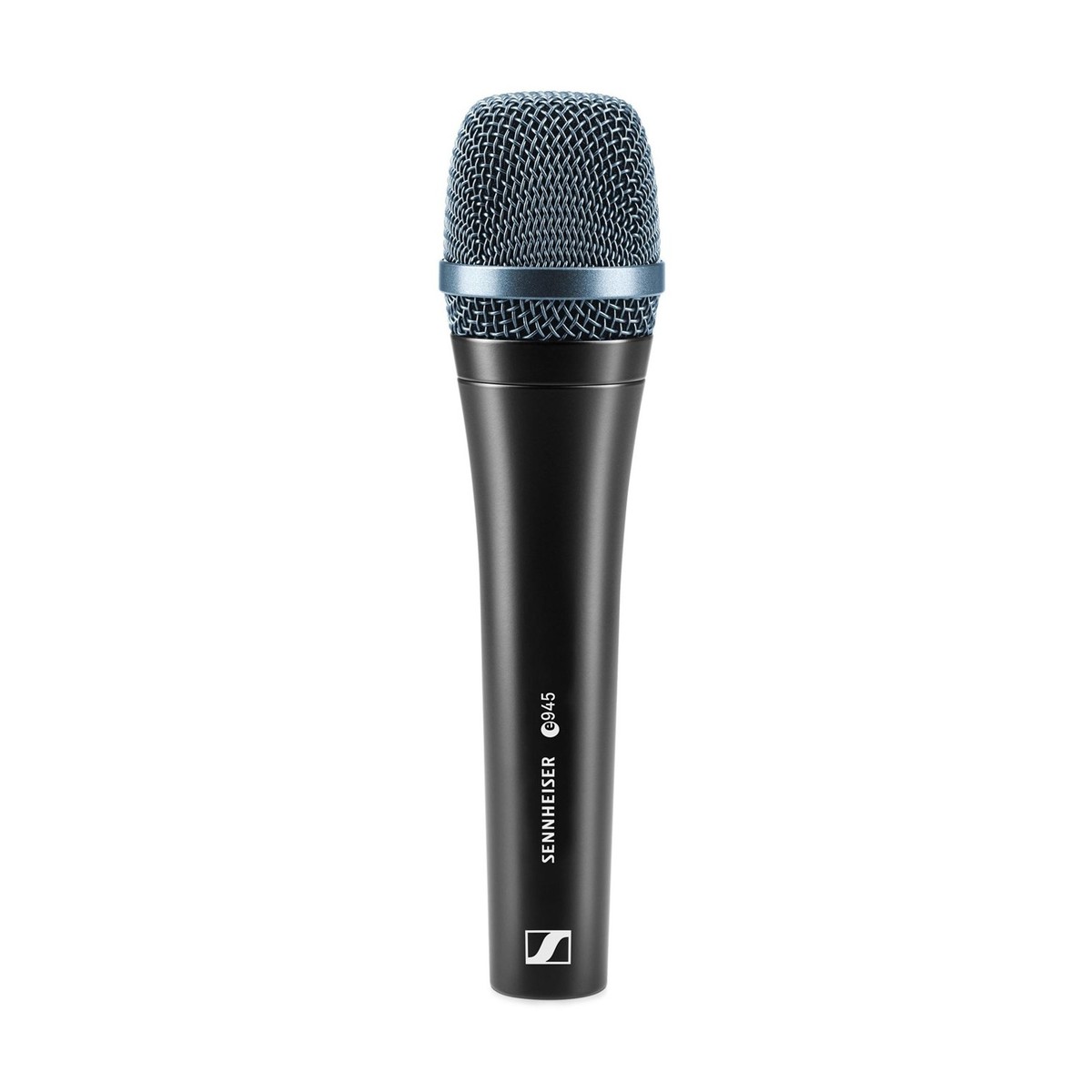
Sennheiser e945 Dynamic Vocal Microphone
 €122.00
Shure
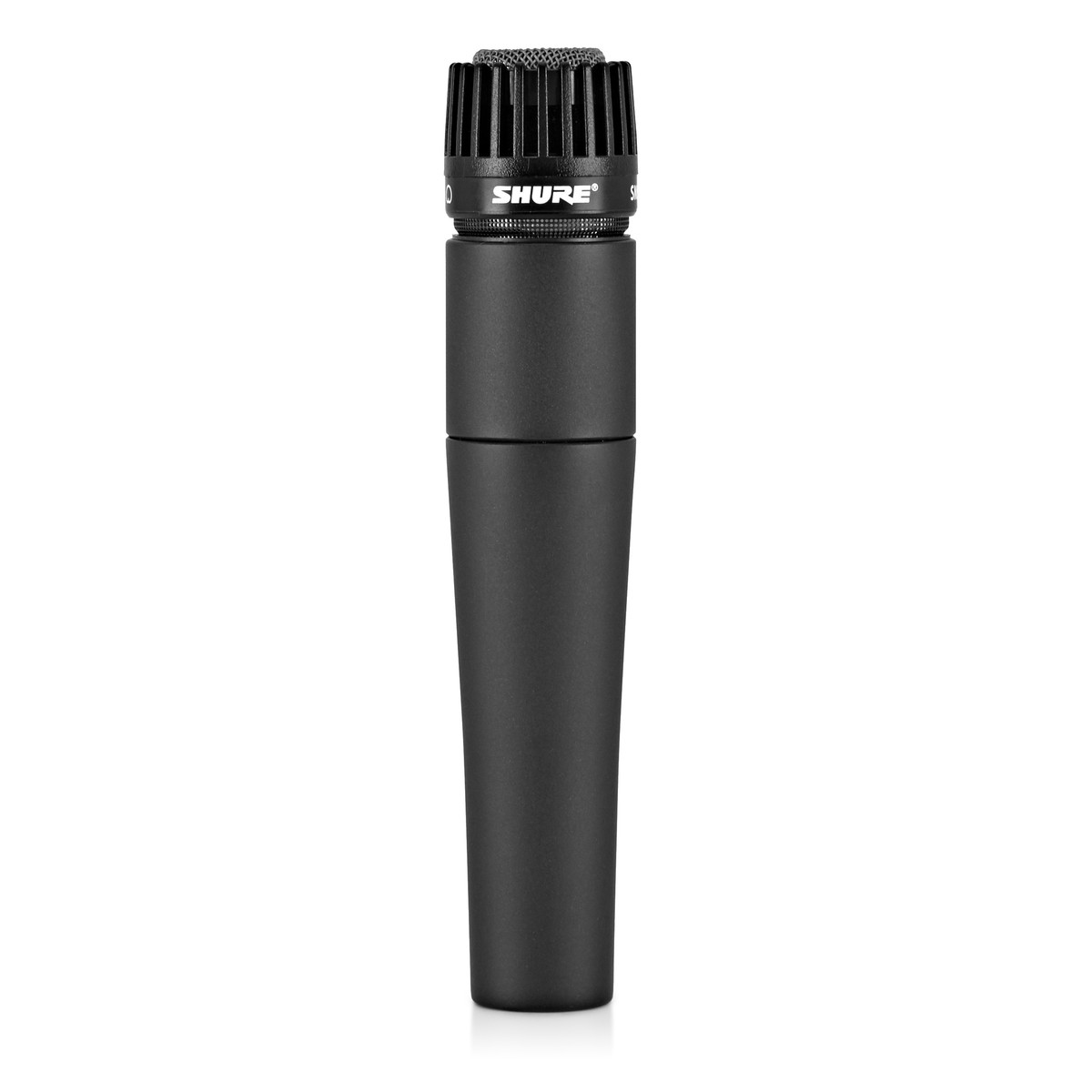
Shure SM57 Dynamic Instrument Microphone
 €1,270.00
Sennheiser
Sennheiser MD 441-U Dynamic Supercardioid Microphone
Frequently asked questions
- What is the primary function of the Behringer Mic Link?
- The Mic Link is an inline booster designed to provide an extra +27 dB of gain to microphone signals. It helps low-output microphones reach a usable level for mixers and audio interfaces.
- Does the Mic Link require phantom power to operate?
- Yes, like most inline boosters, it requires 48V phantom power from your mixer or interface to operate. However, it does not pass that phantom power through to the microphone itself.
- Can I use the Mic Link with a condenser microphone?
- No, it is designed strictly for dynamic and passive ribbon microphones. Condenser microphones require phantom power to function, which the Mic Link blocks from reaching the mic.
- How much gain does the Behringer Mic Link provide?
- The device provides a fixed gain boost of up to +27 dB. This allows for a louder signal without the need to crank the gain on a lower-quality preamp, which can introduce noise.
- Will the Mic Link change the sound of my microphone?
- The device is designed to be transparent. It aims to deliver gain without touching or altering the original character and frequency response of your microphone.
- Is the Mic Link suitable for the Shure SM58?
- Yes, it is highly compatible with the Shure SM58. It provides the extra lift needed to make the SM58 sound clearer and more prominent in a mix, especially for quiet sources.
- Can it be used with the Electro-Voice RE20?
- Yes, the Electro-Voice RE20 is a dynamic microphone known for having a low output level. The Mic Link's +27 dB boost makes it an excellent pairing for this specific microphone.
- Is the device durable enough for live use?
- The Mic Link is built with a compact and rugged design. It is intended for both studio recording and live stage environments where durability is essential.
- Can I use this with a Shure 520DX Green Bullet?
- Yes, the Mic Link works with the Shure 520DX. It can help boost the signal of this harmonica microphone when plugging into modern recording equipment.
- Does it work with Sennheiser dynamic microphones?
- Absolutely. It is compatible with models like the Sennheiser MD 441-U, e945, and e935, ensuring they cut through the mix with better clarity.
- What is the typical price for the Behringer Mic Link?
- The typical price for this device is approximately £33. This makes it one of the most affordable gain-boosting solutions currently available on the market.
- Who is the ideal user for the Mic Link?
- It is ideal for musicians, podcasters, streamers, and recording enthusiasts. Anyone using a dynamic or ribbon microphone who needs more signal strength without noise will benefit from it.
Sources
Last updated: